

Suicide risk and the danger of Hong Kong’s children not feeling loved
Summarized and contextualized by DistantNews.
At a glance
Analysis
Named sources
Context piece
- Hong Kong faces a persistent problem of child suicides, with figures remaining high for three consecutive academic years.
- Despite government efforts and resources, the number of suspected suicide cases among primary and secondary students has not decreased.
- Researchers suggest a strong, supportive family environment is a key protective factor, highlighting a potential gap between parental efforts and children's feelings of being understood and loved.
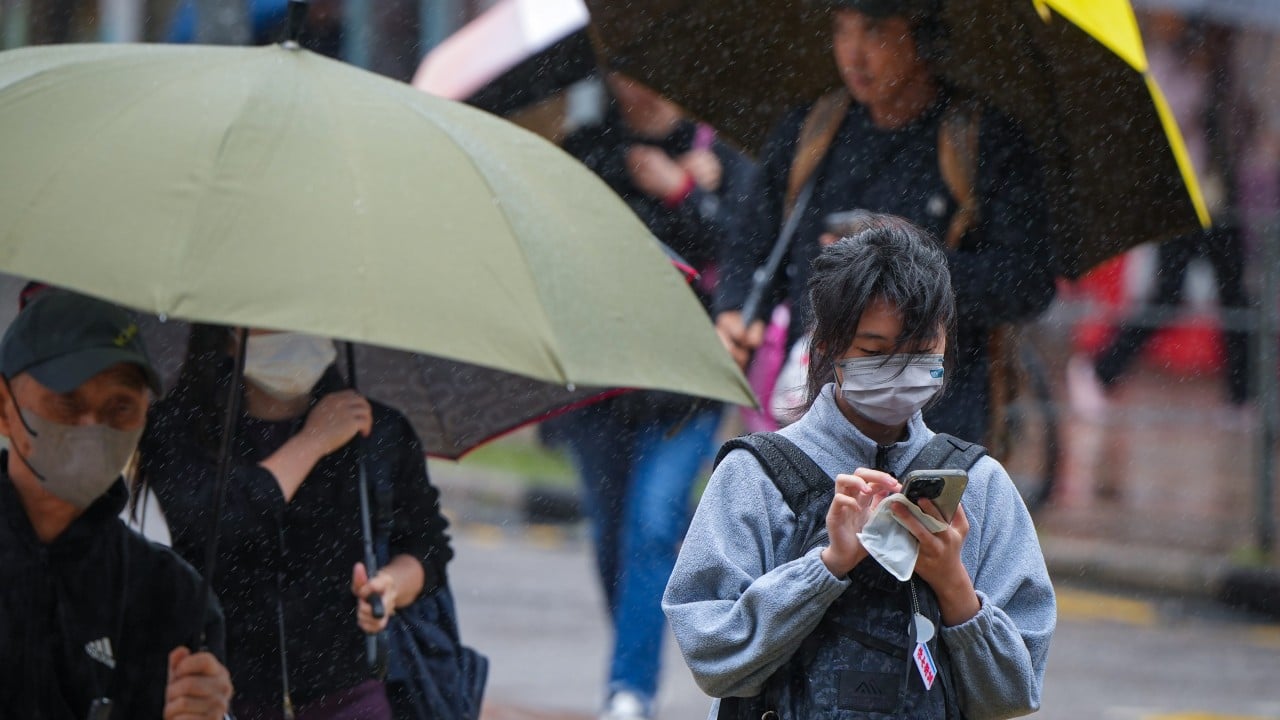
Hong Kong is grappling with a disturbing trend of child suicides, as the latest figures from the Education Bureau reveal a stubborn persistence in suspected cases among primary and secondary school students. For three consecutive academic years, the numbers have remained alarmingly high: 32 cases in 2023, 28 in 2024, and 31 in 2025.
Despite a significant allocation of government resources, including a three-tier emergency mechanism in secondary schools and various public awareness campaigns, these statistics show no sign of improvement. This raises a critical question: why are efforts to protect children from suicide proving ineffective?
While suicide is acknowledged as a complex issue with multiple contributing factors, research from institutions like the Jockey Club Centre for Suicide Research and Prevention at the University of Hong Kong points to a powerful protective element: a strong, supportive family environment. This finding presents a paradox in Hong Kong.
Parents in the city are undeniably devoted, investing heavily in their children's education and future. They manage school runs, supervise homework, fill weekends with enrichment classes, and meticulously plan their children's lives. The financial burden of raising a child in Hong Kong is substantial. Yet, a common parental lament echoes through many homes: "I've given you everything; why do you still feel I don’t understand you?"
This sentiment highlights a growing understanding in psychology: a parent's actions and provision of resources may not equate to a child's feeling of being loved and supported. This disconnect, sometimes termed parent-child incongruence or discrepancy, is a significant concern. Literature indicates that parents and children often hold vastly different perceptions of their relationship. This gap can be even more challenging for single-parent households or blended families, which have become increasingly prevalent.
DistantNews Editorial
Originally published by South China Morning Post. Summarized and contextualized by our editorial team with added local perspective. Read our editorial standards.
More Stories
From Our Blog

Countries Without a Free Press: What You Need to Know

What Press Freedom Means for the News You Read

What Gets Lost (and Found) When News Is Translated

The Critical Role of Diaspora Media in Global News

What Travellers Should Know About Countries with Restricted Press
