


Summer of 2026: Extreme Heat and Government Detachment
Translated from German, summarized and contextualized by DistantNews.
At a glance
Opinion
Sources not specified
Context piece
- The summer of 2026 was marked by extreme heat, droughts, and wildfires across Europe, causing thousands of deaths.
- Germany reported 12,500 heat-related fatalities, with temperatures exceeding 40 degrees Celsius in major cities.
- The article criticizes the German government's perceived detachment from the severity of the climate crisis.
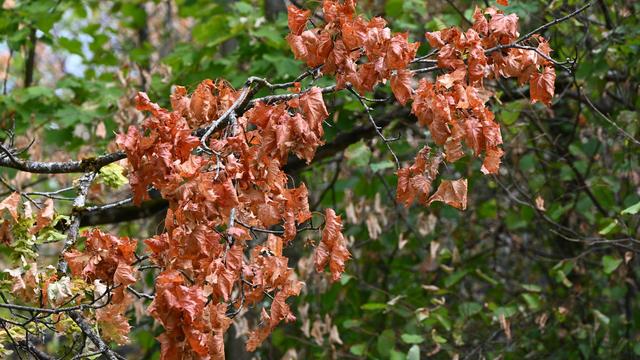
The summer of 2026 brought a brutal wave of heat, drought, and wildfires across Europe, leaving a trail of devastation and thousands of deaths. Germany alone recorded 12,500 heat-related fatalities, as temperatures in major cities repeatedly soared above 40 degrees Celsius. The continent witnessed catastrophic wildfires near Madrid and Bordeaux, forcing hundreds of thousands to flee their homes. Infrastructure buckled under the extreme conditions, with reports of melting asphalt, warped railway tracks, and drying rivers. Even traditionally temperate regions experienced unprecedented heat, with London cancelling a conference on managing extreme heat due to the heat itself. The article highlights the stark contrast between the palpable effects of climate change and what it describes as the German government's "strangely detached" response. While the natural world shows signs of stress, such as jellyfish displacing fish in unusually warm Mediterranean waters, the government's actions are portrayed as out of step with the escalating crisis.
DistantNews Editorial
Originally published by Die Zeit in German. Translated, summarized, and contextualized by our editorial team with added local perspective. Read our editorial standards.
More Stories
From Our Blog

What Gets Lost (and Found) When News Is Translated

How the Same Story Looks Different in Different Countries

The Critical Role of Diaspora Media in Global News

What Travellers Should Know About Countries with Restricted Press

A Digital Nomad's Guide to Following Local News
