


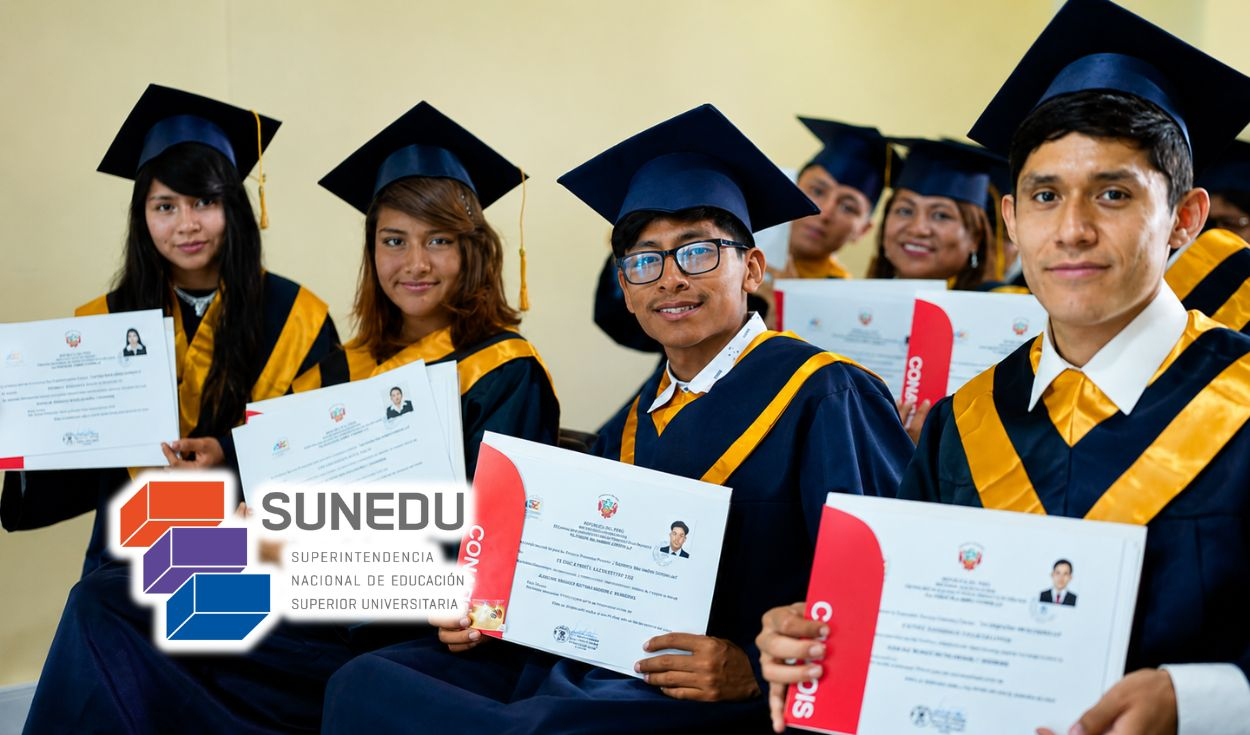
Sunedu updates rules for recognizing foreign degrees, prioritizing treaties and rankings
Translated from Spanish, summarized and contextualized by DistantNews.
At a glance
News
Official statement
New plan
- Peru's National Superintendency of Higher University Education (Sunedu) has updated its procedures for recognizing foreign academic degrees and professional titles.
- New rules prioritize international treaties and use global university rankings like QS and THE for evaluation when no treaty exists.
- Verification of diplomas will now rely on official digital platforms, with institutional emails no longer considered valid proof.
Peru's National Superintendency of Higher University Education (Sunedu) has implemented significant changes to the process of recognizing academic degrees and professional titles obtained abroad. This update, formalized through Directive Council Resolution No. 0021-2026-Sunedu-CD, aims to refine evaluation criteria and streamline the application process for individuals who pursued higher education in foreign universities.
The revised regulations introduce a new hierarchy for evaluating foreign qualifications. International treaties between Peru and other countries will now take precedence. In instances where no such treaty is in place, Sunedu will utilize established international university rankings, including QS World University Rankings, Academic Ranking of World Universities (ARWU), Times Higher Education, and Scimago Institutions Rankings, as quality benchmarks. Sunedu will publish an annual list of universities featured in these rankings to guide the recognition process. Importantly, degrees and titles will be evaluated regardless of their original designation in their country of origin, provided they are from institutions authorized by the relevant educational authorities.
Sunedu is also overhauling its document verification mechanisms. The new procedure mandates the use of official digital platforms, both public and private, for validating diploma authenticity. The agency has stated that institutional emails from applicants will no longer be accepted as sufficient proof due to a lack of robust organization and verification capabilities. The updated regulations also include provisions for correcting errors on diplomas, updating personal information, or registering changes based on judicial resolutions. Applicants who fail to address Sunedu's observations within the stipulated legal timeframe may face the archiving of their applications.
These measures are intended to enhance the security and efficiency of the degree recognition process. By prioritizing international agreements and leveraging reputable global rankings, Sunedu seeks to ensure a more consistent and reliable evaluation of foreign academic credentials. The shift towards digital verification also aims to combat potential fraud and streamline administrative procedures, ultimately benefiting both the applicants and the Peruvian higher education system.
DistantNews Editorial
Originally published by La República in Spanish. Translated, summarized, and contextualized by our editorial team with added local perspective. Read our editorial standards.
More Stories


From Our Blog

What Gets Lost (and Found) When News Is Translated

The Critical Role of Diaspora Media in Global News

What Travellers Should Know About Countries with Restricted Press

A Digital Nomad's Guide to Following Local News

How the Same Story Looks Different in Different Countries
