

Supreme Court allows Trump to proceed with parts of mail voting restrictions
Translated from English, summarized and contextualized by DistantNews.
At a glance
News
Named sources
Ongoing story
- The U.S. Supreme Court has allowed President Donald Trump's administration to proceed with implementing restrictions on mail-in voting, though the extent of changes before the midterms remains uncertain.
- The order, issued in March, directs the administration to create lists of eligible voters and have the Postal Service deliver mail ballots only to those on the lists.
- Legal challenges from Democratic officials and election administrators could still slow or block the implementation of these changes before the upcoming midterm elections.
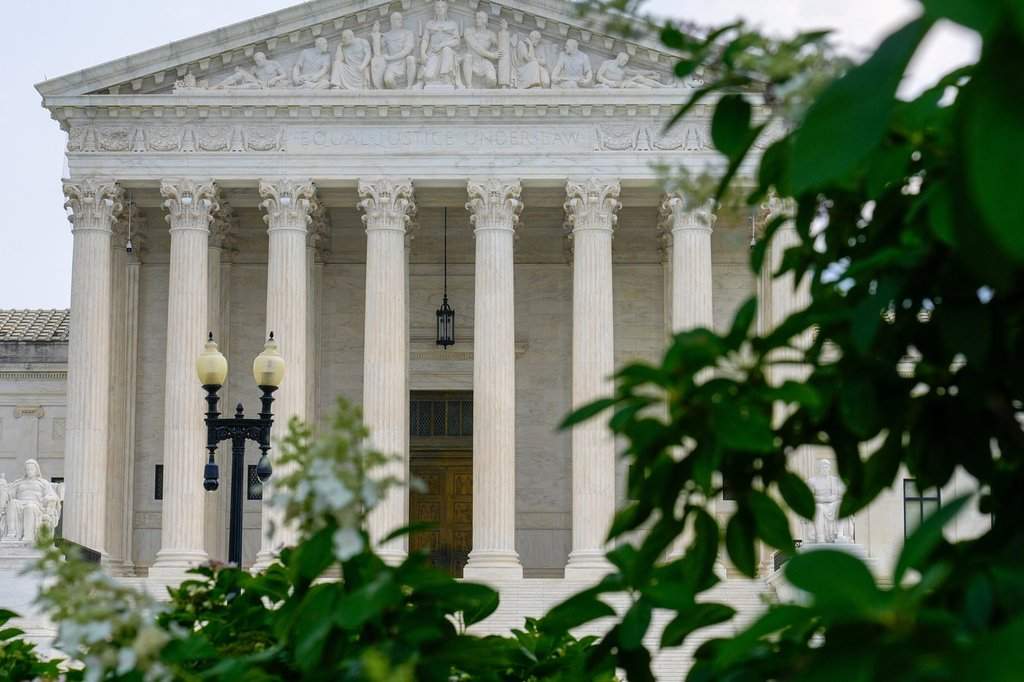
The U.S. Supreme Court has cleared a path for President Donald Trump's administration to implement parts of an executive order restricting mail-in voting, though significant uncertainty remains about how much can be put into practice before the approaching midterm elections. The court's decision on Monday allows the administration to move forward, but potential further legal challenges could still impede the order's rollout.
The U.S. Postal Service outlined its implementation plan last week, but the tight timeline poses a challenge for enacting major changes, especially as some states are set to begin mailing ballots to voters in a matter of weeks. Mail balloting has been a frequent target for Trump, who has alleged it leads to fraud, despite a lack of strong evidence and his own past use of the method.
Trump's March executive order mandates that his administration compile lists of eligible voters and instructs the U.S. Postal Service to deliver mail ballots exclusively to individuals on these lists. This directive faced immediate opposition, with Democratic officials in 23 states and the District of Columbia filing lawsuits. They argued that election administration falls under state and congressional authority, and that Trump's changes could foster chaos and partisan manipulation.
Attorneys representing the states warned of "extreme" consequences if such transformative changes took effect so close to the fall elections. Numerous state and local election officials also urged the Supreme Court to keep the order frozen while election preparations are already underway. A Massachusetts judge had previously blocked the plan for midterms in those states, a decision upheld by an appeals court, and she later issued a nationwide block. The Trump administration appealed to the Supreme Court on procedural grounds, arguing the states sued prematurely, and also pointed to a Washington ruling that allowed the order to proceed, though an appeals court left room for future action.
The Court's disposition of this application does not mean that any measure taken by the Government to implement the Order will necessarily be lawful. On that score, time will tell. But the Order itself does not harm the States, so the District Court lacked jurisdiction to bar the Government from trying to implement it.
DistantNews Editorial
Originally published by Global News in English. Translated, summarized, and contextualized by our editorial team with added local perspective. Read our editorial standards.
More Stories

From Our Blog

What Gets Lost (and Found) When News Is Translated

The Critical Role of Diaspora Media in Global News

What Travellers Should Know About Countries with Restricted Press

A Digital Nomad's Guide to Following Local News

How the Same Story Looks Different in Different Countries
