

Surplus public property management: Easy in some areas, difficult in others
Translated from Vietnamese, summarized and contextualized by DistantNews.
At a glance
News
Sources not specified
Context piece
- Vietnamese localities face challenges in managing surplus public properties after administrative mergers.
- Central areas can potentially lease out unused facilities, but rural areas struggle to find tenants.
- Solutions include repurposing buildings as community centers or offering them for commercial lease.
Localities in Vietnam are grappling with the issue of surplus public properties following administrative mergers, with differing levels of success in finding solutions. While central urban areas are more optimistic about leasing out these unused facilities, rural and remote communes express concern about their inability to attract tenants.
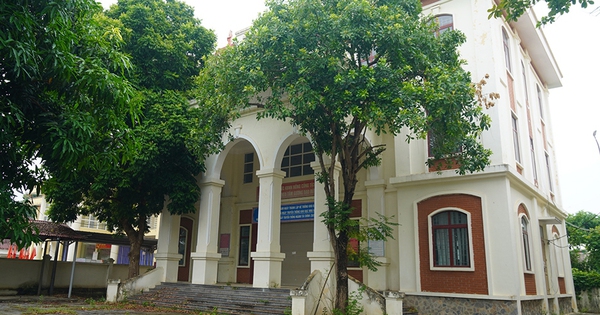
In Nông Cống commune, Thanh Hóa province, formed by the merger of several smaller communes, over 100 surplus public properties required management. Currently, most have been utilized, with only nine remaining vacant. Among these is the former State Bank of Vietnam branch, a relatively new three-story building on a prime national highway location, which has been vacant since the bank's restructuring. Nearby, the former headquarters of the Nông Cống town People's Committee and a former kindergarten also stand abandoned and overgrown.
Officials in Nông Cống plan to repurpose some former commune headquarters as larger community houses to serve the expanded local population. For properties in central locations with commercial potential, the commune has proposed leasing them through public bidding. "We are confident that these properties will be leased out for business because people have needs, and the locations are convenient," stated Đỗ Văn Đức, head of the commune's Economic Infrastructure Department. He expects provincial approval for this plan.
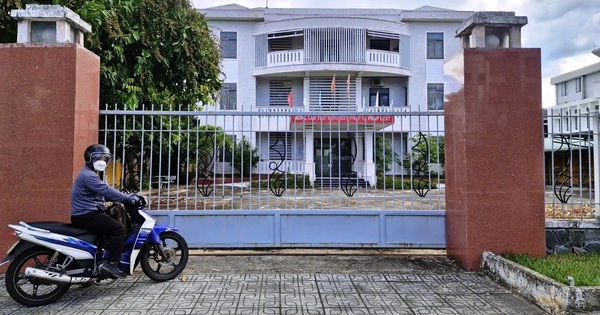
Conversely, communes in more rural or remote areas, such as Quảng Ngọc in Thanh Hóa, face greater difficulties. Quảng Ngọc, formed from the merger of four communes, has nearly 10 vacant public properties, primarily in the Quảng Phúc area. Unlike their urban counterparts, these rural communes struggle to find any viable solutions for their surplus assets, even with the possibility of leasing them out.
The properties in Nông Cống commune, we will make plans to lease them for business, and they will surely be leased because people have needs, and the locations are convenient. So, if the province approves this plan, we will implement it and quickly resolve the surplus situation.
DistantNews Editorial
Originally published by Thanh Niên in Vietnamese. Translated, summarized, and contextualized by our editorial team with added local perspective. Read our editorial standards.
More Stories
From Our Blog

What Gets Lost (and Found) When News Is Translated

The Critical Role of Diaspora Media in Global News

What Travellers Should Know About Countries with Restricted Press

A Digital Nomad's Guide to Following Local News

How the Same Story Looks Different in Different Countries
