


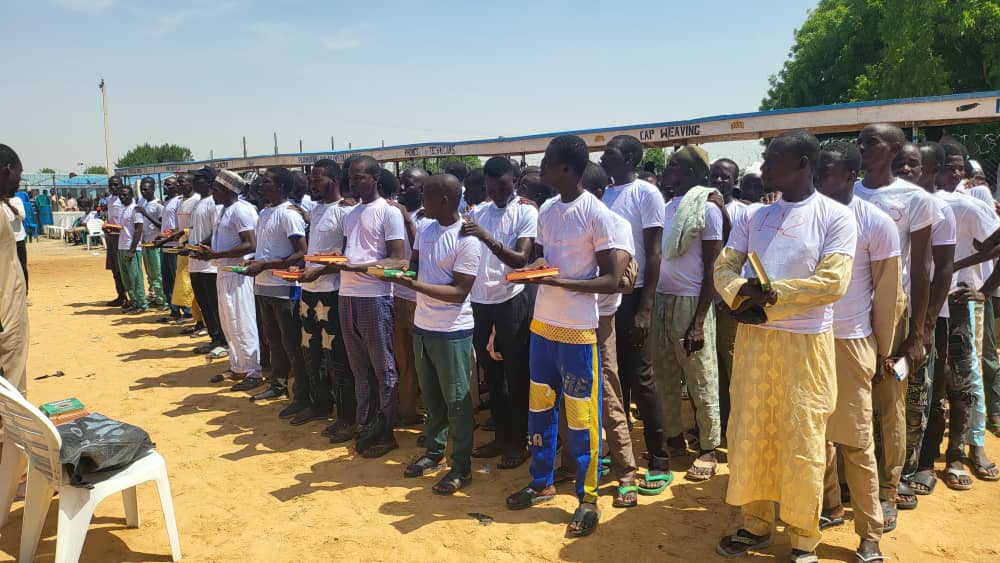
Surrendered ISWAP Commanders Fuel Fears of Unresolved Extremism
Translated from English, summarized and contextualized by DistantNews.
At a glance
Analysis
Named sources
Context piece
- Fears are rising over former ISWAP commanders who have surrendered, as they may not be truly deradicalized.
- The concern is that these individuals might simply disengage from active combat without abandoning their extremist ideologies.
- This situation raises questions about the effectiveness of current counter-insurgency strategies and the long-term threat posed by surrendered militants.
The surrender of Islamic State West Africa Province (ISWAP) commanders has sparked fresh concerns, casting doubt on whether these individuals have truly abandoned their extremist beliefs or are merely disengaging from active conflict. This uncertainty complicates efforts to combat the insurgency, as the threat may not be eliminated but simply transformed.
Security analysts and officials are grappling with the question of whether a laid-down weapon signifies a genuine renunciation of ideology. The fear is that commanders who have surrendered might retain their radicalized mindsets, potentially influencing others or re-engaging in militant activities if opportunities arise. This perspective suggests that the process of deradicalization is far more complex than simply ceasing hostilities.
The situation underscores a critical challenge in counter-insurgency operations: ensuring that surrendered combatants are not just neutralized tactically but are also effectively deradicalized psychologically and ideologically. The potential for former commanders to remain a threat, even after officially laying down arms, highlights the need for robust rehabilitation and monitoring programs to address the root causes of extremism and prevent future violence.
DistantNews Editorial
Originally published by Vanguard in English. Translated, summarized, and contextualized by our editorial team with added local perspective. Read our editorial standards.
More Stories


From Our Blog

How the Same Story Looks Different in Different Countries

What Gets Lost (and Found) When News Is Translated

The Critical Role of Diaspora Media in Global News

What Travellers Should Know About Countries with Restricted Press

A Digital Nomad's Guide to Following Local News
