


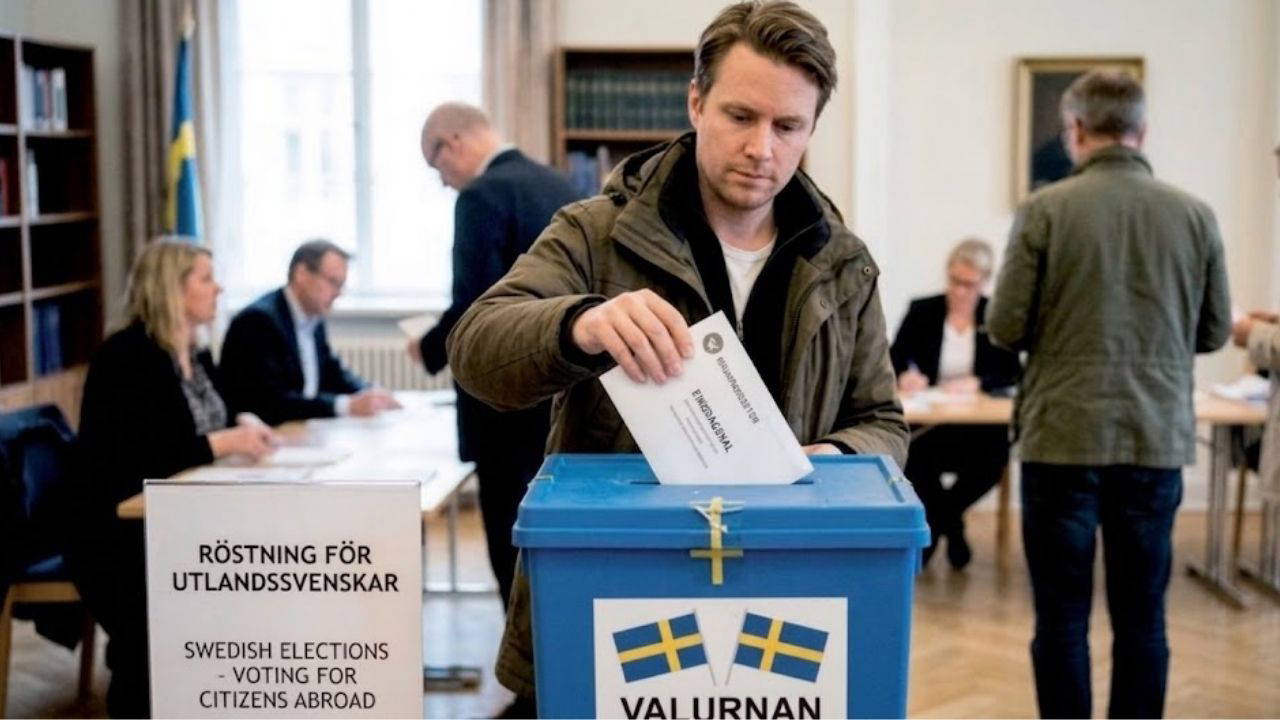
Sweden Heads to Polls Amidst Public Apathy and Crime Concerns
Translated from Turkish, summarized and contextualized by DistantNews.
At a glance
News
Sources not specified
Context piece
- Sweden is heading to parliamentary, regional, and municipal elections on September 13, 2026, with many citizens unaware of the date.
- Public discourse is dominated by concerns over rising gang crime and armed attacks, linked to immigration policy, overshadowing traditional political topics.
- Current polls suggest the left-wing bloc, led by the Social Democrats, is poised to win, unseating the right-wing coalition supported by the Sweden Democrats.
Sweden is approaching a general election on September 13, 2026, yet a significant portion of the population appears unaware of the upcoming vote. Unlike in many countries, the election campaign is notably subdued, with minimal public rallies or intense media debates. The most visible political activity involves small groups distributing leaflets, such as Jehovah's Witnesses and members of the Liberal Party, whose party risks falling below the 4% electoral threshold.
While voters can cast ballots starting August 26, the national conversation is heavily focused on pressing issues. Concerns about escalating gang crime and armed violence, often linked to immigration policies, are paramount. This has led to demands for urgent action on citizenship laws. Topics like unemployment, the cost of living, and healthcare, while important, rank lower in public priority.
The current right-wing coalition government, led by Prime Minister Ulf Kristersson since 2022 and supported externally by the Sweden Democrats, appears set to lose power. Public opinion polls consistently show the Social Democrats, led by Magdalena Andersson, and their left-wing allies gaining the upper hand. The Sweden Democrats, who advocate for stricter immigration policies, have influenced parliament to pass tougher laws concerning foreigners, though this has not swayed the broader societal trend towards the left.
Polls indicate the Social Democrats could secure around 33.9% of the vote, with the Sweden Democrats at 18.3% and the Moderate Party at 17.3%. The Left Party and Greens are also projected to gain ground. The election outcome could signal a shift in Sweden's political landscape, with a potential return to left-leaning governance.
DistantNews Editorial
Originally published by Cumhuriyet in Turkish. Translated, summarized, and contextualized by our editorial team with added local perspective. Read our editorial standards.
More Stories



From Our Blog

What Gets Lost (and Found) When News Is Translated

The Critical Role of Diaspora Media in Global News

What Travellers Should Know About Countries with Restricted Press

A Digital Nomad's Guide to Following Local News

How the Same Story Looks Different in Different Countries
