


Sydney Sweats Through Spring Heatwave as Bushfire Risk Reaches ‘Extreme’
Translated from English and summarized by DistantNews. Read the original for the full story.
At a glance
Newswire
From a news agency
Ongoing story
- Sydney temperatures were forecast to reach 33 degrees Celsius, nearly 13 degrees above average, amid hot and dry spring conditions.
- Authorities imposed a total fire ban across the Greater Sydney region and rated the fire danger as extreme.
- Forecasters linked the conditions to a powerful El Niño pattern, while climate change is making extreme heat and fire weather more common in Australia.
Sydney baked under an unusual burst of spring heat on September 5, with temperatures in the city forecast to reach 33 degrees Celsius. That was nearly 13 degrees above average for the New South Wales capital, home to 5.6 million people.
At Sydney Airport, temperatures had already reached 28.6 degrees Celsius by 11:30 a.m., more than seven degrees above the September mean maximum, according to weather forecaster data. Strong and gusty northwesterly winds were expected to develop during the morning.
The combination of wind, dry conditions and unseasonably warm weather prompted the forecaster to warn of elevated fire danger across Greater Sydney. State fire authorities issued a total fire ban and rated the danger as “extreme,” the second-highest category.
The heat arrived as a powerful El Niño weather pattern in the Pacific drove hotter and drier conditions across southern Australia during the September-to-November spring season. Climate change is also making extreme heat and fire weather more common in the bushfire-prone country.
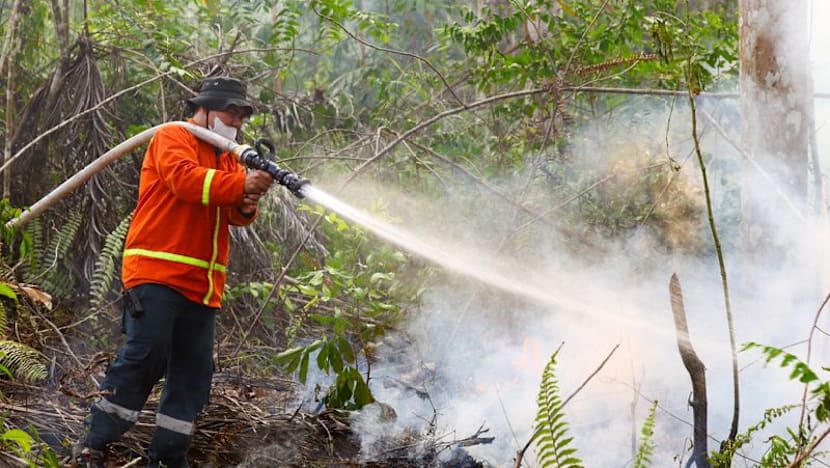
In January, thousands of firefighters battled fires in southeastern Australia that destroyed homes, cut power to thousands of households and burned large areas of bushland.
Fresh to strong and gusty north-westerly winds developing during the morning, combined with dry, unseasonably warm conditions, will result in elevated fire dangers across the Greater Sydney Region today.
About this summary
Originally published by The Straits Times in English. Translated, summarized, and contextualized automatically by DistantNews, with a note on how the source frames the story. Not individually reviewed before publishing. How this works.
More Stories

From Our Blog

News in Translation: What Gets Lost, and How We Keep the Framing

Diaspora Media: How Communities Follow News From Home

Traveling Where the Press Is Not Free: How to Read the News There

The Digital Nomad's Guide to Local News

The Same Story, Different Countries: How Coverage Changes at the Border
