

Syria's wheat harvest set to more than double amid rainfall and recaptured lands
Translated from English, summarized and contextualized by DistantNews.
At a glance
News
Named sources
Context piece
- Syria's wheat production is projected to more than double this year, reaching 2.3 to 2.5 million metric tons.
- Increased rainfall and the government's recapture of key agricultural regions from Kurdish forces boosted the harvest.
- Despite the improved yield, Syria will still need to import wheat to meet its annual demand of around 4 million tons.
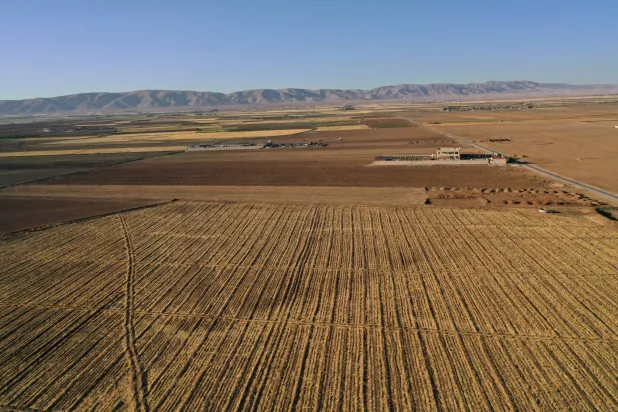
Syria anticipates a significant surge in wheat production this year, with estimates ranging from 2.3 to 2.5 million metric tons, more than double last year's output of approximately 900,000 tons. This turnaround is attributed to favorable weather conditions, including heavy rainfall, and the state's regaining control over crucial breadbasket regions in the northeast previously held by Kurdish forces.
Senior agriculture ministry official Ahmed Jalal Al-Ahmad highlighted the impact of these factors. "We were blessed with a bountiful harvest season," he stated, noting that the inclusion of harvests from Hasakah, Raqqa, and Deir Ezzor provinces, which together account for over half the projected production, is a key reason for the increase. These areas, which suffered from drought and conflict in previous years, are now contributing significantly to the national yield.
We were blessed with a bountiful harvest season.
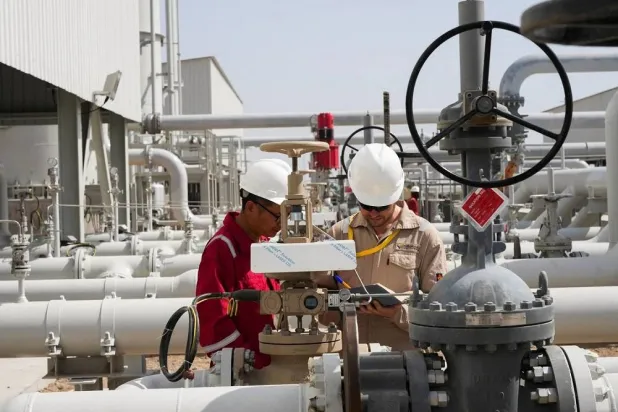
Despite the optimistic harvest projections, Syria's domestic production will not fully meet its annual demand of roughly 4 million tons. "We may always need to import during this period until we reach full recovery to meet market demand, especially for soft wheat used in bread production," Ahmad explained. The government is working to enhance grain infrastructure in the north and northeast, planning to establish more grain centers.
We may always need to import during this period until we reach full recovery to meet market demand, especially for soft wheat used in bread production.
The state manages domestic wheat purchases through the Syrian Grain Establishment, setting a price of $380 per ton with an incentive bonus of about $70. A new electronic platform has been introduced to streamline purchases and farmer appointments. However, this system has faced criticism from producers who argue it is disconnected from the realities on the ground.
Farmer Abdullah Al-Issa voiced dissatisfaction, stating, "Booking platforms don't suit the agricultural fields." He also pointed out that this year's wheat prices are lower compared to the previous year, despite the improved harvest figures.
Booking platforms don't suit the agricultural fields.
DistantNews Editorial
Originally published by Asharq Al-Awsat in English. Translated, summarized, and contextualized by our editorial team with added local perspective. Read our editorial standards.
More Stories



From Our Blog

What Gets Lost (and Found) When News Is Translated

The Critical Role of Diaspora Media in Global News

What Travellers Should Know About Countries with Restricted Press

A Digital Nomad's Guide to Following Local News

How the Same Story Looks Different in Different Countries
