

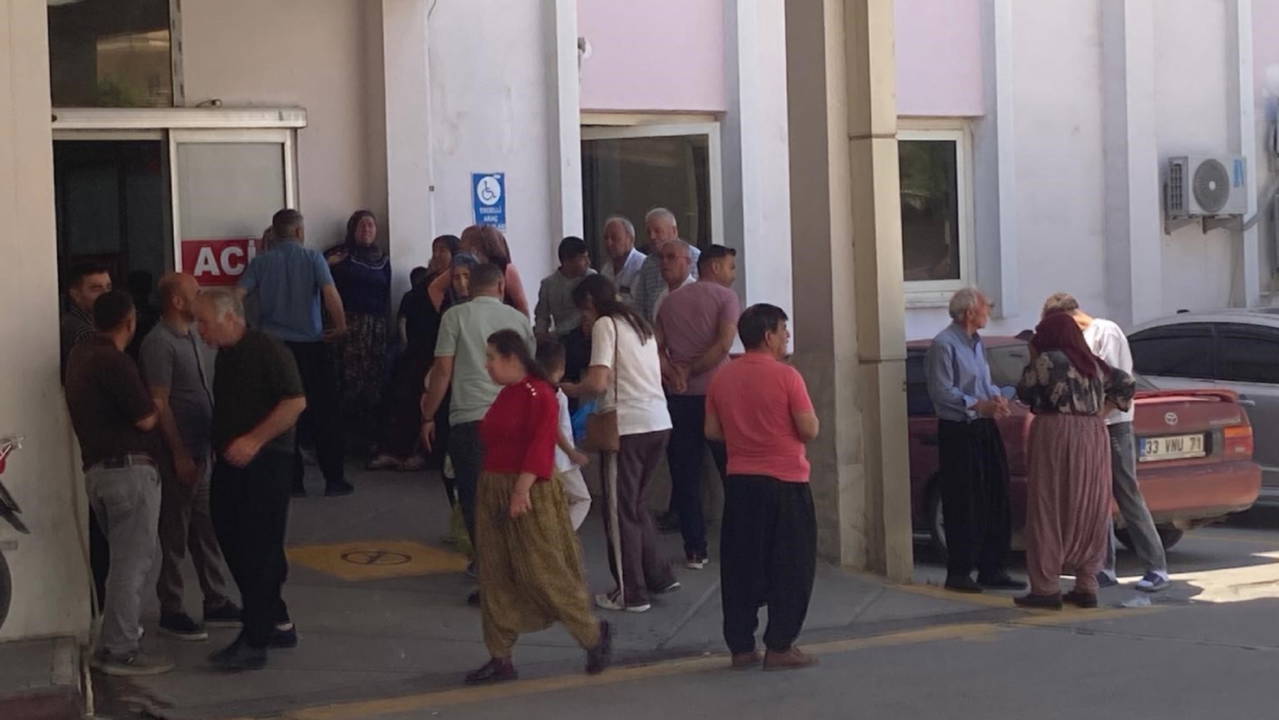

Systemic issues push Turkey's emergency services to breaking point
Translated from Turkish, summarized and contextualized by DistantNews.
At a glance
News
Sources not specified
Context piece
- Emergency service visits in Turkey reached nearly 200 million in 2025, straining healthcare resources.
- Experts attribute the surge to overloaded outpatient clinics, appointment difficulties, and a lack of an effective referral system.
- Citizens are increasingly turning to emergency services for non-urgent issues due to systemic problems.
Turkey's healthcare system is facing immense pressure, with emergency service visits soaring to nearly 200 million in 2025. This dramatic increase highlights significant structural issues within the country's medical infrastructure, pushing emergency departments to their limits.
Experts point to a confluence of factors driving this trend. Overcrowded outpatient clinics, persistent difficulties in securing timely appointments, and the absence of a robust and efficient patient referral system are forcing citizens to seek immediate care, even for non-critical conditions. This overload means that those with genuine emergencies may face longer waits and reduced quality of care.
The reliance on emergency services for everyday health needs indicates a systemic failure in primary and secondary care access. Addressing this requires a multi-faceted approach, including improving outpatient capacity, streamlining appointment scheduling, and implementing a functional referral network to guide patients to the appropriate level of care. Without these changes, the strain on emergency services is likely to persist and potentially worsen.
DistantNews Editorial
Originally published by Cumhuriyet in Turkish. Translated, summarized, and contextualized by our editorial team with added local perspective. Read our editorial standards.
More Stories



From Our Blog

What Gets Lost (and Found) When News Is Translated

The Critical Role of Diaspora Media in Global News

What Travellers Should Know About Countries with Restricted Press

A Digital Nomad's Guide to Following Local News

How the Same Story Looks Different in Different Countries
