

Szczepan Ruman: On the Harmfulness of a Dogmatic Approach to Energy
Translated from Polish, summarized and contextualized by DistantNews.
At a glance
Analysis
Named sources
Context piece
- The article criticizes Europe's approach to energy policy, contrasting it with China's pragmatic strategy of simultaneously investing in renewables and coal.
- It argues that European energy policy is dominated by non-engineers, such as political scientists and cultural theorists, leading to a "religious" adherence to CO2 reduction dogma.
- The author contends that this dogmatic approach hinders practical debate and the development of an energy system focused on delivering the cheapest possible energy, unlike China's forward-looking investment in both green and fossil fuels.
Europe's energy sector is increasingly driven by academics and politicians rather than engineers, leading to a dogmatic approach that prioritizes CO2 reduction above all else, according to Szczepan Ruman. He contrasts this with China's pragmatic strategy, which in 2025 added 315 GW of solar and 119 GW of wind power, alongside a record 78 GW of new coal capacity. Ruman suggests Europe is watching its economy deindustrialize while China invests heavily in all energy sources.
Pragmatic Chinese, who in 2025 connected 315 GW of photovoltaics and 119 GW of wind to the grid, and at the same time a record 78 GW of coal power – are sitting on a hill watching the corpse of the European economy flow away with the waters of deindustrialization.
The author criticizes the composition of European energy analysis teams, noting they often include graduates from liberal arts programs and musicians, but rarely energy engineers. He likens the current European stance on emissions targets to a religious dogma, where questioning the goals leads to exclusion from the "European community of values." This contrasts sharply with the scientific principles that should govern energy policy, which he argues are being sidelined by ideological concerns.
In Europe, everyone deals with energy: Europeanists, political scientists, cultural theorists, lawyers – only not energy engineers.
Ruman dismisses the idea that renewable energy sources (RES) are inherently problematic, stating that the issue lies in the "religious approach" to energy policy, which stifles practical debate. He points out the absurdity of claims that Poland has no coal reserves, given its significant global standing in coal resources. The author argues that a healthy energy debate should consider both RES and traditional sources like coal, especially for a country like Poland, which relies heavily on it. He contrasts this with China's long-term energy planning, which anticipates coal playing a significant role until the 2060s.
The dogma of the harmfulness of CO2 emissions also includes the primacy of this issue over everything else, including military or social needs.
The article suggests that European energy policy has become detached from physical realities and economic efficiency. The focus on ideological purity, exemplified by the "cult of windmills," overshadows the fundamental goal of providing affordable and reliable energy. Ruman implies that this ideological rigidity prevents Europe from developing a robust and cost-effective energy system, potentially leading to further economic decline.
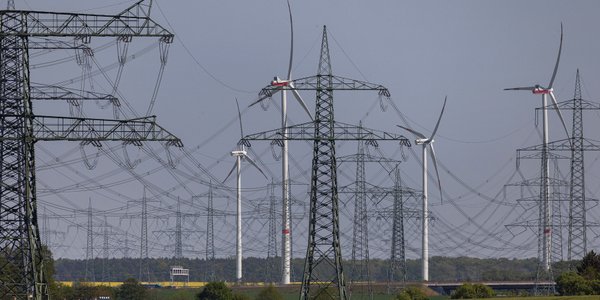
Windmills have become objects of worship, and those for whom they spoil the view are met with much greater indignation than a person bothered by the sound of church bells.
DistantNews Editorial
Originally published by Rzeczpospolita in Polish. Translated, summarized, and contextualized by our editorial team with added local perspective. Read our editorial standards.
More Stories

From Our Blog

What Gets Lost (and Found) When News Is Translated

The Critical Role of Diaspora Media in Global News

What Travellers Should Know About Countries with Restricted Press

A Digital Nomad's Guide to Following Local News

How the Same Story Looks Different in Different Countries
