

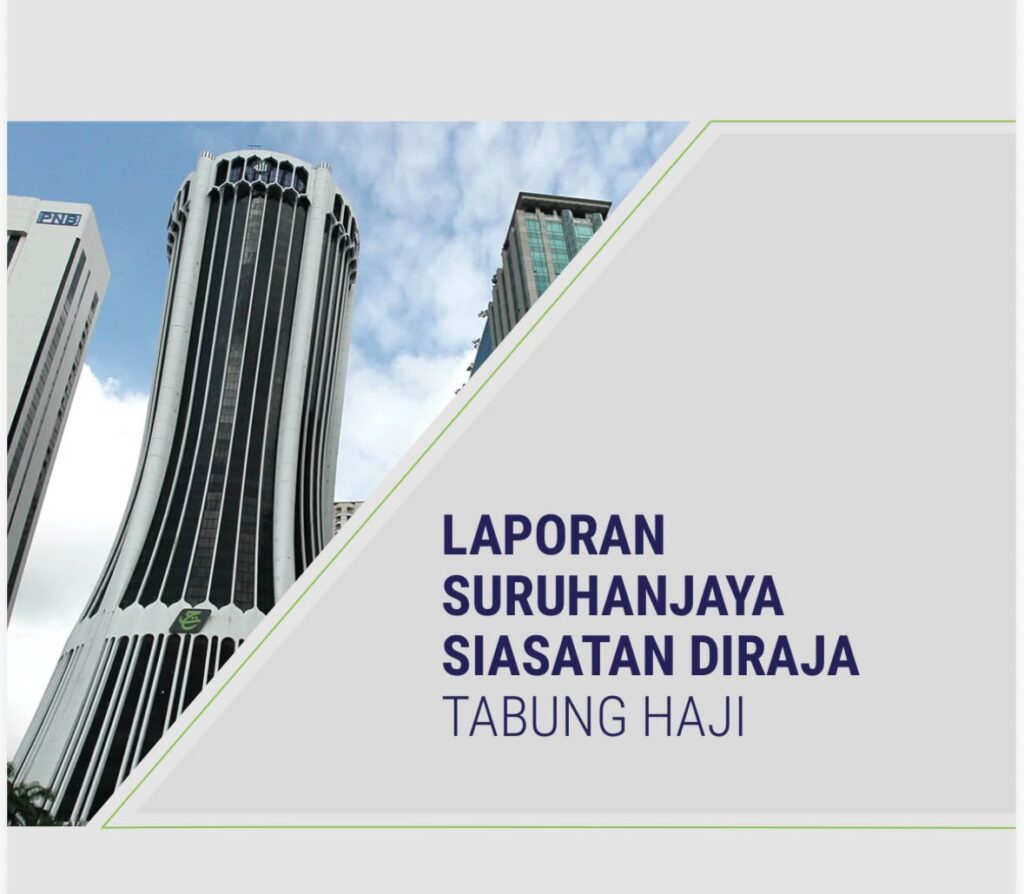

Tabung Haji Deposit Contract Changes Warrant Religious Consultation, Says Royal Commission
Translated from Malay, summarized and contextualized by DistantNews.
At a glance
News
Official statement
Outcome reported
- A Royal Commission of Inquiry (RCI) found changes in the deposit contract (akad) at Tabung Haji (TH) require attention according to religious authorities.
- The RCI recommends TH consult the MKI Muzakarah committee to ensure proper zakat payments.
- The shift from Mudarabah to Wadi'ah Yad Dhamanah contracts in 2016 altered the relationship, potentially exposing depositors to zakat liabilities and creating disharmony with the Tabung Haji Act.
A Royal Commission of Inquiry (RCI) has identified a significant shift in the deposit contract, or 'akad', at Tabung Haji (TH), necessitating careful review and adherence to religious rulings. The commission recommends that TH formally present these matters to the Muzakarah Committee of the National Council for Islamic Religious Affairs Malaysia (Muzakarah MKI) for a definitive ruling on zakat payments.
The commission found that in 2016, this deposit contract (akad) was changed to Wadi'ah Yad Dhamanah, where the deposit is considered savings.
The RCI report details that in 2016, the deposit contract was altered from Mudarabah to Wadi'ah Yad Dhamanah, where deposits are treated as savings. TH began paying profits (hibah) to depositors to avoid riba (usury). However, the commission found no clear explanation for this change. It notes that a contributing factor may have been TH's use of investment profits to fund subsidies under the Mudarabah akad, despite a lack of documentation showing depositors' consent for such use.
TH will pay profits (hibah) to depositors to avoid paying riba. However, the commission found no explanation as to why this change in akad was made.
This change to Wadi'ah Yad Dhamanah has fundamentally altered the depositor-TH relationship. It potentially exposes depositors to zakat obligations on their deposits held by TH. Bank Negara Malaysia (BNM) had previously raised concerns in a June 26, 2019 letter to the Prime Minister, stating that the disclosure regarding zakat to depositors might not align with the Wadi'ah Yad Dhamanah contract.
The disclosure regarding zakat to depositors may not be the same as the contract under Wadi'ah Yad Dhamanah.
Furthermore, the RCI found that the shift from the Mudarabah to the Wadi'ah Yad Dhamanah akad in 2016 created disharmony between the Tabung Haji Act (Act 535) and its implementation. Under Wadi'ah Yad Dhamanah, TH acts as a borrower of depositors' funds for investment. TH has the freedom to use investment profits for hibah, subsidies, and other purposes without depositor approval. Crucially, under this akad, any zakat payable is TH's responsibility, not the depositors'. This contradicts the understanding of depositors who believe TH's zakat payments represent their own obligations, while Act 535 prohibits TH from borrowing and from being subject to zakat payments.
Under this akad, the zakat payment by TH is actually the zakat that should be paid by TH, not the zakat that needs to be paid by the depositor.
DistantNews Editorial
Originally published by Utusan Malaysia in Malay. Translated, summarized, and contextualized by our editorial team with added local perspective. Read our editorial standards.
More Stories



From Our Blog

What Gets Lost (and Found) When News Is Translated

The Critical Role of Diaspora Media in Global News

What Travellers Should Know About Countries with Restricted Press

A Digital Nomad's Guide to Following Local News

How the Same Story Looks Different in Different Countries
