

Taiwan Approves $10.5 Billion Drone and Unmanned Systems Investment Over Six Years
Translated from Korean and summarized by DistantNews. Read the original for the full story.
At a glance
News
Named sources
Approved/passed
- Taiwan's legislature approved a six-year, $10.5 billion plan to invest in drones and unmanned systems to deter a potential Chinese invasion.
- The legislation adapts defense strategies from conflicts like the Ukraine war, focusing on asymmetric warfare and dispersed attacks.
- The plan aims to boost domestic drone production and create a supply chain independent of Chinese components, while also strengthening national security.
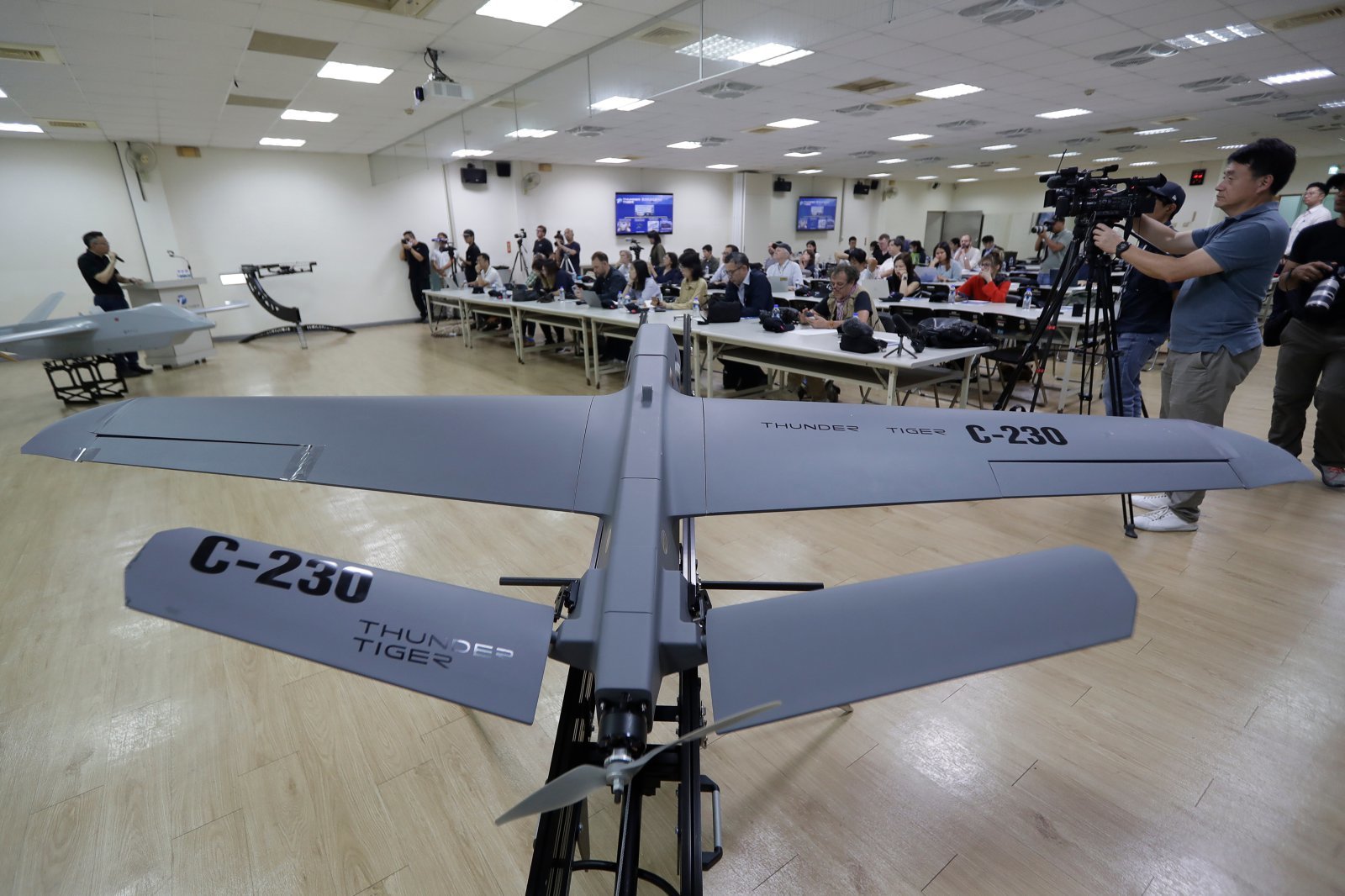
Taiwan's Legislative Yuan has passed a significant bill allocating NT$240 billion (approximately $10.5 billion) over the next six years to develop and procure drones and other unmanned systems. This strategic investment aims to enhance Taiwan's defense capabilities and deter a potential invasion from mainland China, drawing inspiration from the effective use of drones in recent conflicts such as the war in Ukraine.
It's late, but better than never. Taiwan has closely studied how Ukraine's drone units built asymmetric defense capabilities on the battlefield of blood and tears.
The legislative body, with a majority held by opposition parties, ultimately approved a regular budget proposal of NT$240 billion, surpassing the ruling Democratic Progressive Party's government-proposed special budget of NT$210 billion. The approved plan mandates annual budget reviews for the funds, ensuring ongoing legislative oversight. While the bill has passed the legislature, it still requires endorsement from the Premier and promulgation by the President to take effect.
Taiwan's military is closely observing how drones have compensated for disadvantages in conflicts, enabling dispersed attacks and increasing the cost of invasion for a potential aggressor. This approach aligns with Taiwan's strategy of building "asymmetric defense" capabilities. The island nation views itself as a potential target for China, which considers Taiwan its territory and has not ruled out the use of force. China also holds a significant advantage in global drone production, making Taiwan's pursuit of a military drone supply chain free from Chinese components a critical national security objective.
The most important thing is the nation's needs and security.
This defense initiative is intertwined with Taiwan's industrial policy, aiming to foster its domestic drone manufacturing sector. The legislation prioritizes the procurement of Taiwanese-made unmanned systems, though foreign imports are permissible if necessary. By providing stable orders through defense procurement, the government intends to bolster local companies and establish a robust supply chain. While Taiwan's drone industry has seen substantial export growth, concerns remain about the sustainability of this demand, as a significant portion consists of low-cost, small drones not tied to long-term government contracts. Government-backed long-term procurement is seen as a way to stabilize this industry and ensure the military acquires needed systems.
The final version is a compromise, and the biggest uncertainty is implementation. The six-year budget framework must lead to timely, predictable, and sufficiently scaled orders to enhance deterrence and industrial competitiveness together.
About this summary
Originally published by Dong-A Ilbo in Korean. Translated, summarized, and contextualized automatically by DistantNews, with a note on how the source frames the story. Not individually reviewed before publishing. How this works.
More Stories


From Our Blog

What Gets Lost (and Found) When News Is Translated

The Critical Role of Diaspora Media in Global News

What Travellers Should Know About Countries with Restricted Press

A Digital Nomad's Guide to Following Local News

How the Same Story Looks Different in Different Countries
