


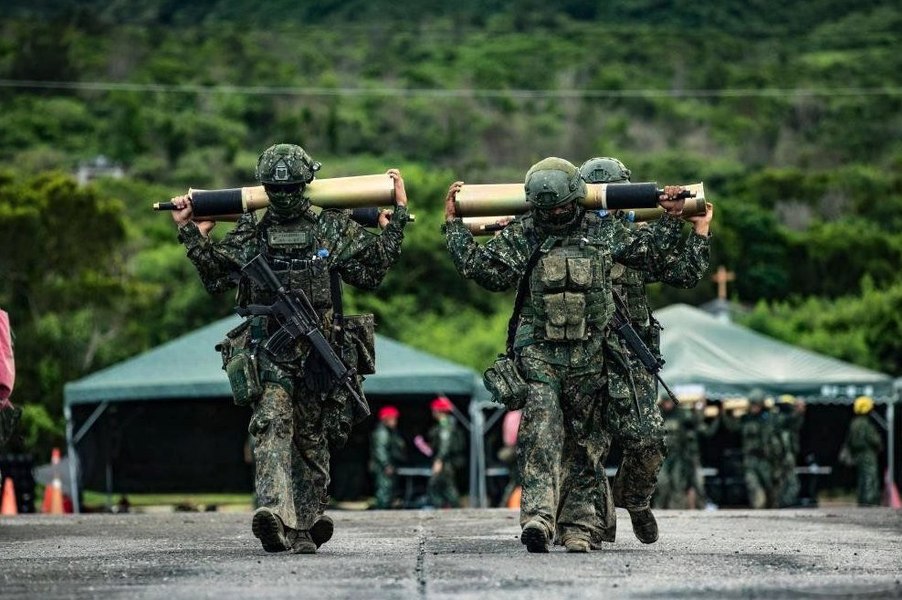
Taiwan's 'Hellscape' plan: Turning a Chinese invasion into a nightmare
Translated from Romanian, summarized and contextualized by DistantNews.
At a glance
News
Named sources
Context piece
- Taiwan is accelerating its defense preparations against a potential Chinese invasion, drawing lessons from Ukraine's drone warfare.
- The island is expanding its production of drones and unmanned vessels under a new strategy called "Hellscape."
- This strategy aims to inflict heavy losses on Chinese forces, making an invasion prohibitively risky for Beijing.
Taiwan is intensifying its defense preparations for a potential Chinese invasion, closely studying Ukraine's battlefield experience with drones. The island is significantly increasing its production of drones and unmanned vessels as part of a new defense strategy dubbed "Hellscape."
This "hellscape" approach envisions a massive deployment of drones, unmanned ships, missiles, and artillery to make any Chinese amphibious landing as difficult as possible. The core calculation is that substantial losses would transform any invasion attempt into an unacceptably high risk for Beijing.
A key reference point for Taiwan's military planners is the ongoing war in Ukraine. They are examining how Ukrainian forces effectively use relatively inexpensive and maneuverable drones against a much larger adversary. Taiwan is particularly interested in long-range strike capabilities, a tactic that could allow them to target Chinese vessels before they reach the island's shores.
"Our efforts in drones and countermeasures started relatively late, and at first, we acted through trial and error," said Lieutenant General Huang Wen-chi, director of the strategic planning department at Taiwan's Ministry of Defense. He noted a shift in approach over the past two years. Taiwan aims to produce up to 100,000 drones per month by 2030 and plans to acquire over 210,000 aerial and maritime drones for its armed forces. Exports are also surging, with $115 million in drone sales in the first three months of 2026, exceeding the total for all of 2025. Czechia is the largest destination, with some Taiwanese drones reaching Ukraine.
Meanwhile, China is undergoing a significant military leadership reorganization. Of the 27 top command positions, 21 are currently vacant, with only six held by the highest-ranking generals. Approximately 20 positions are filled on an interim basis. This extensive reshuffling, driven by purges, requires Xi Jinping to rebuild much of the military's senior ranks, with new generals promoted in small groups after additional political vetting, prioritizing loyalty.
Our efforts in drones and countermeasures started relatively late, and at first, we acted through trial and error.
DistantNews Editorial
Originally published by Adevărul in Romanian. Translated, summarized, and contextualized by our editorial team with added local perspective. Read our editorial standards.
More Stories

From Our Blog

What Gets Lost (and Found) When News Is Translated

The Critical Role of Diaspora Media in Global News

What Travellers Should Know About Countries with Restricted Press

A Digital Nomad's Guide to Following Local News

How the Same Story Looks Different in Different Countries
