

Taiwan’s push to dissolve pro-Beijing party triggers political censorship debate
Summarized and contextualized by DistantNews.
At a glance
News
Named sources
In the courts
- Taiwan's government is seeking to dissolve the pro-Beijing Chinese Unification Promotion Party (CUPP).
- This move has ignited a debate about political censorship, with critics arguing that security concerns are being used to suppress dissent.
- The CUPP has been linked to organized crime, and this potential dissolution marks a significant first for Taiwan's political landscape.
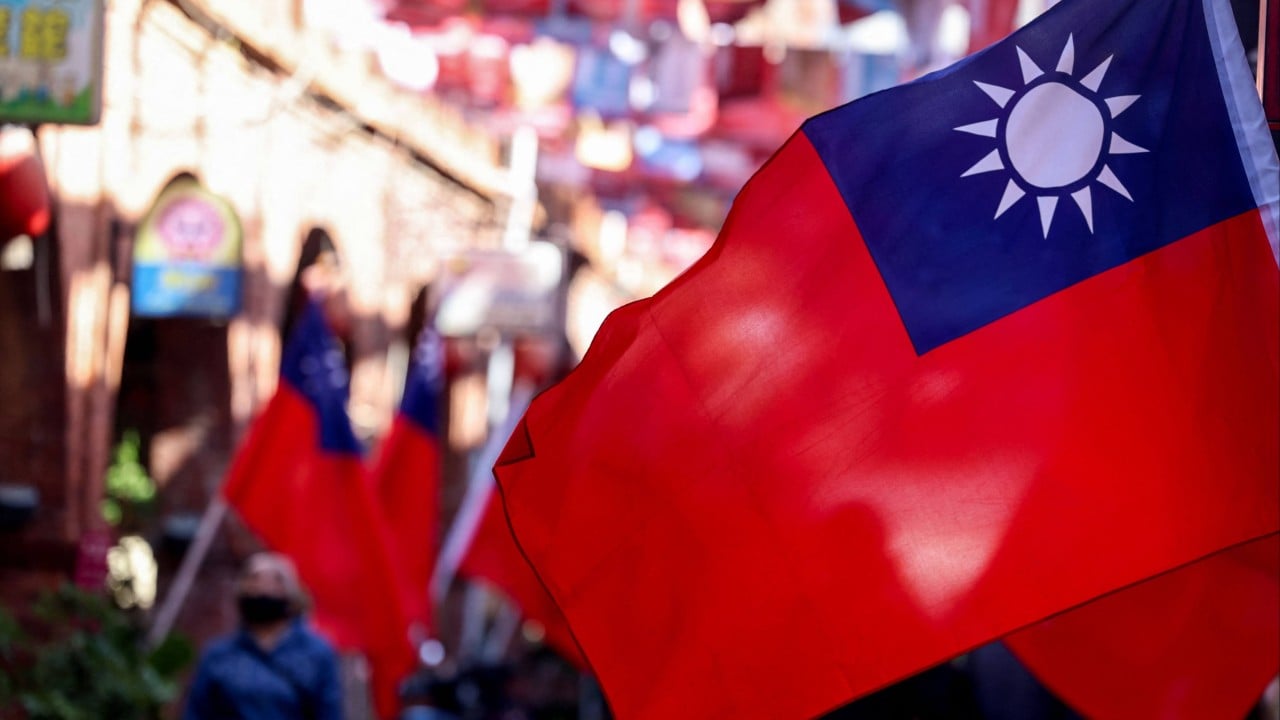
Taiwan's authorities are pursuing the dissolution of the Chinese Unification Promotion Party (CUPP), a move that has ignited a contentious debate over political censorship. The island's interior ministry is petitioning the Constitutional Court to declare the CUPP unconstitutional, a step that would mark the first instance of a political party being dissolved in Taiwan's history.
This unprecedented action has raised concerns among some that the independence-leaning government might be leveraging national security arguments to stifle political opposition. Critics argue that the push to dissolve the CUPP, which openly advocates for unification with Beijing, could set a dangerous precedent for suppressing dissent under the guise of security threats.
The CUPP itself has been flagged for its alleged ties to organized crime, including cross-border criminal activities. The government's justification for seeking its dissolution centers on these alleged links and the party's perceived threat to Taiwan's democratic system. The unfolding situation highlights the delicate balance Taiwan seeks to maintain between national security and political freedom.
The CUPP has long been linked to organised crime, including cross-border...
DistantNews Editorial
Originally published by South China Morning Post. Summarized and contextualized by our editorial team with added local perspective. Read our editorial standards.
More Stories



From Our Blog

Countries Without a Free Press: What You Need to Know

What Press Freedom Means for the News You Read

What Gets Lost (and Found) When News Is Translated

The Critical Role of Diaspora Media in Global News

What Travellers Should Know About Countries with Restricted Press
