

Taiwan Sends Message to China with Live-Fire HIMARS Drill
Translated from Hungarian, summarized and contextualized by DistantNews.
At a glance
News
Sources not specified
Context piece
- Taiwan conducted a live-fire exercise with HIMARS rocket systems near the sensitive western coast, facing China across the Taiwan Strait.
- The exercise is part of Taiwan's "porcupine strategy" to deter a potential Chinese invasion by deploying mobile, hard-to-neutralize weapons.
- The HIMARS systems, with a range of up to 300 kilometers, could potentially strike coastal targets in China's Fujian province.
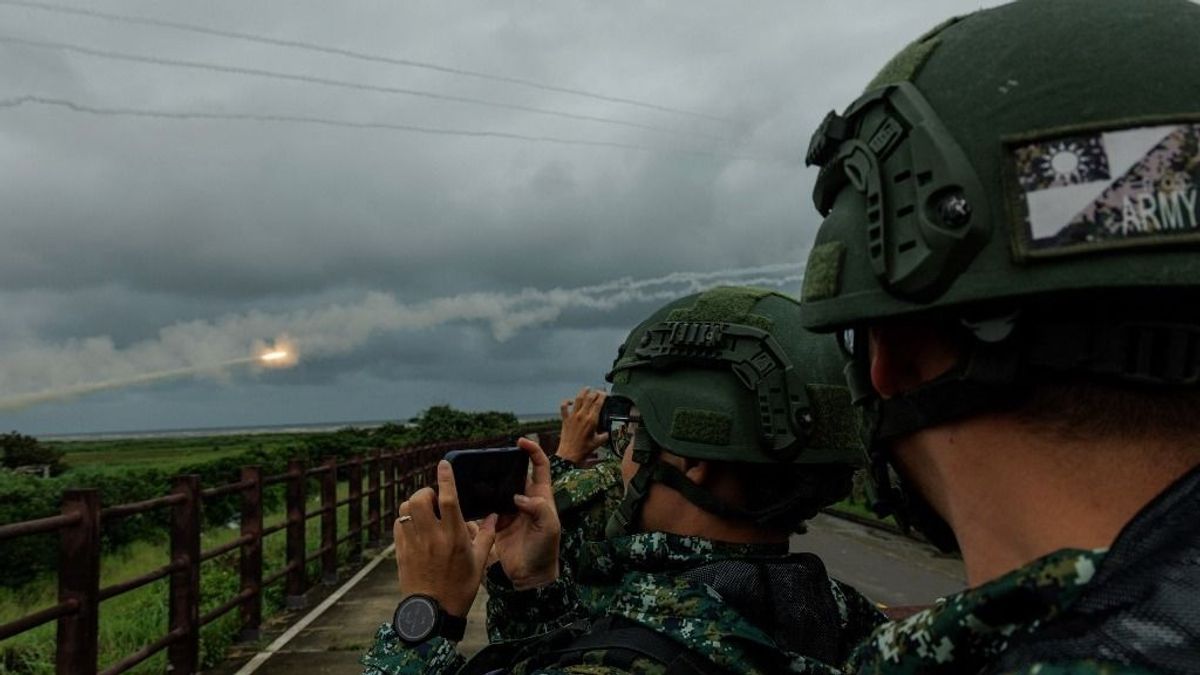
Taiwan has sent a clear message to China by conducting a live-fire exercise with U.S.-made HIMARS rocket systems. The drill, held near the western city of Taichung, marked the first time the system was tested on the island's western coast, an area considered particularly vulnerable due to its direct view across the Taiwan Strait towards mainland China.
This strategic positioning is significant as military analysts identify the western coast as a potential primary direction for any future invasion attempt by Beijing. China continues to assert its claim over the democratically governed Taiwan, not ruling out the use of military force to achieve "reunification."
The HIMARS systems, which have played a crucial role in Ukraine's defense against Russian forces, possess a range of approximately 300 kilometers. This capability means they could potentially reach coastal targets in China's Fujian province, a key element of Taiwan's "porcupine strategy." This strategy aims to equip Taiwan with mobile and difficult-to-neutralize weapon systems that would significantly complicate any potential attacker's advance.
As part of its defense concept, Taiwan plans to integrate HIMARS with domestically developed rocket launchers. This combined approach would allow for strikes against Chinese units even as they attempt to disembark or sortie from ports. Taiwan maintains that the future of the island can only be decided by its people, rejecting Beijing's sovereignty claims.
DistantNews Editorial
Originally published by Magyar Nemzet in Hungarian. Translated, summarized, and contextualized by our editorial team with added local perspective. Read our editorial standards.
More Stories



From Our Blog

Countries Without a Free Press: What You Need to Know

What Press Freedom Means for the News You Read

What Gets Lost (and Found) When News Is Translated

The Critical Role of Diaspora Media in Global News

What Travellers Should Know About Countries with Restricted Press
