


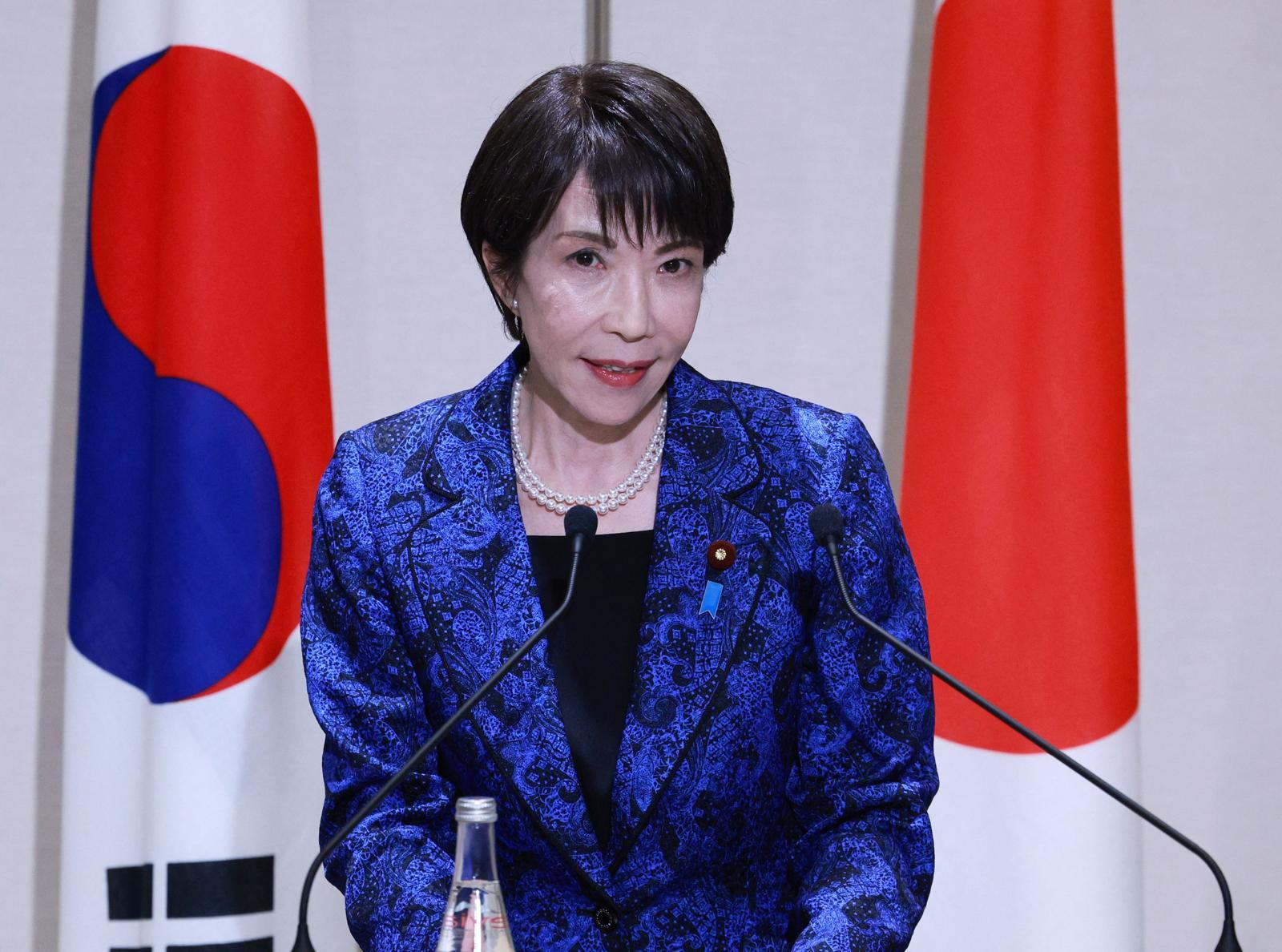
Takaichi Sleeps 2-4 Hours Daily, Admits 'I Want to Sleep More'
Translated from Korean, summarized and contextualized by DistantNews.
TLDR
- Japanese Prime Minister Sanae Takaichi has admitted to struggling with sleep deprivation due to her demanding work schedule.
- Takaichi, known for her 'workaholic' tendencies since taking office, reportedly sleeps only 2 to 4 hours per night.
- The Prime Minister also mentioned difficulties with meal preparation while residing in the official residence, as grocery shopping and delivery services are restricted.
The recent revelation that Japanese Prime Minister Sanae Takaichi is severely sleep-deprived, often getting only two to four hours of sleep per night, offers a candid glimpse into the immense pressures of high-level political office in Japan. Dong-A Ilbo, reporting from Seoul, highlights this personal struggle, which goes beyond mere anecdote to touch upon the demanding nature of leadership and the sacrifices it entails.
Prime Minister Takaichi's admission, made during a meeting with Akira Amari, the former Secretary-General of the Liberal Democratic Party, paints a picture of a leader fully immersed in her duties. Her previous statements about working 'work, work, work' since her election underscore a dedication that, while perhaps admirable to some, raises concerns about personal well-being and the sustainability of such a pace. The mention of difficulties with meals at the official residence, due to restrictions on grocery shopping and deliveries, further illustrates the isolating and challenging circumstances she faces.
This story resonates particularly within the context of Japanese work culture, which is often characterized by long hours and intense dedication. While Takaichi's commitment is undeniable, her candidness about sleep deprivation and domestic challenges provides a humanizing counterpoint to the often-stoic image of political leaders. It prompts reflection on the societal expectations placed upon those in power and the personal toll such responsibilities can take. From our perspective, it's a reminder that even the most powerful figures grapple with fundamental human needs, and that the relentless pursuit of duty can come at a significant personal cost.
DistantNews Editorial
Originally published by Dong-A Ilbo in Korean. Translated, summarized, and contextualized by our editorial team with added local perspective. Read our editorial standards.
More Stories


From Our Blog

What Gets Lost (and Found) When News Is Translated

The Critical Role of Diaspora Media in Global News

What Travellers Should Know About Countries with Restricted Press

A Digital Nomad's Guide to Following Local News

How the Same Story Looks Different in Different Countries
