


US Weapon Stocks Depleted by Iran Conflict; Taiwan Defense in Question
Translated from Korean, summarized and contextualized by DistantNews.
TLDR
- The US faces a potential "ammunition gap" due to significant depletion of key weapons during the recent conflict with Iran.
- Replenishing critical missile stocks, such as Tomahawks and Patriot interceptors, could take up to six years, raising concerns about Taiwan's defense.
- The US military is reassessing its strategy, considering a shift towards cheaper, mass-produced weapons and increased cooperation with allies to address long-term supply constraints.
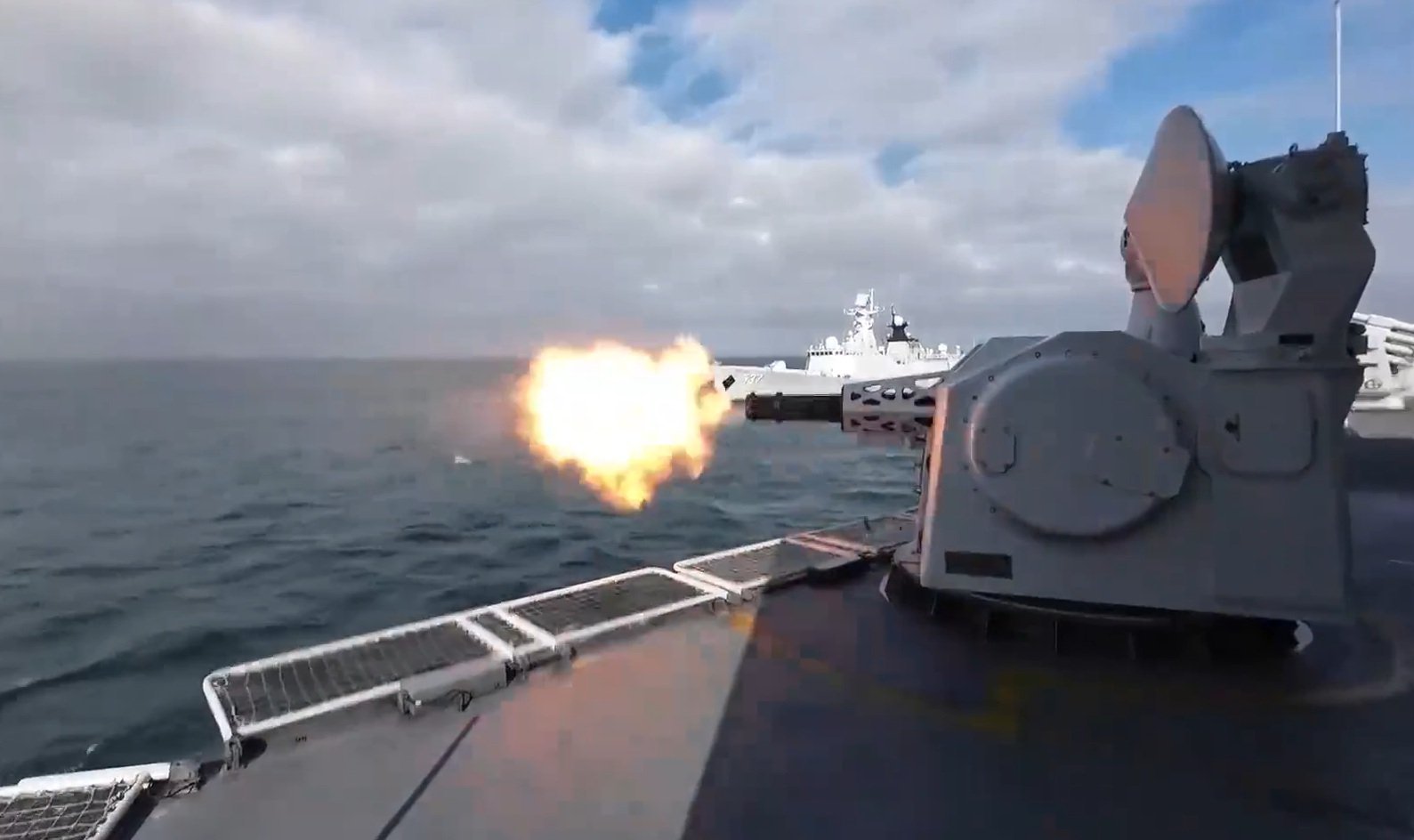
The recent conflict with Iran has exposed a critical vulnerability in US military readiness: a severe depletion of high-end munitions. Reports indicate that the US expended over 1,000 Tomahawk missiles and thousands of air defense interceptors in a matter of weeks. This rapid consumption has led to projections that it could take as long as six years to fully replenish these vital stocks.
This "ammunition gap" has significant geopolitical implications, particularly concerning the defense of Taiwan. Analysts worry that if a conflict were to erupt in the Indo-Pacific during this replenishment period, the US would be severely constrained in its ability to respond effectively. The current US strategy for Taiwan relies heavily on a rapid projection of long-range strike and air defense capabilities, which are now in question due to supply limitations.
This situation is prompting a serious re-evaluation within the Pentagon and among security experts. There is a growing consensus that the US military can no longer solely rely on expensive, precision-guided munitions. Instead, a strategic shift towards more affordable, mass-producible weapons, including drones and electronic warfare systems, is being considered. Furthermore, strengthening industrial production bases and fostering joint production and stockpiling with allies like Japan, Australia, and Taiwan are seen as crucial steps to mitigate future supply chain bottlenecks.
From a regional perspective, this development highlights the immense cost of modern warfare and the challenges of maintaining military superiority in an era of great power competition. The US's ability to project power globally is directly tied to its industrial capacity and its network of alliances. The current strain on its munitions stockpile serves as a stark reminder that maintaining military readiness requires not only technological prowess but also robust and sustainable production capabilities.
It will take years to replenish these stocks.
DistantNews Editorial
Originally published by Hankyoreh in Korean. Translated, summarized, and contextualized by our editorial team with added local perspective. Read our editorial standards.
More Stories

From Our Blog

What Gets Lost (and Found) When News Is Translated

The Critical Role of Diaspora Media in Global News

What Travellers Should Know About Countries with Restricted Press

A Digital Nomad's Guide to Following Local News

How the Same Story Looks Different in Different Countries
