


🇲🇽
Mexico
Tamaulipas to release 5 million sterile flies weekly to eradicate cattle screwworm
Translated from Spanish, summarized and contextualized by DistantNews.
At a glance
News
Sources not specified
Ongoing story
- Tamaulipas will release five million sterile flies weekly to eradicate the cattle screwworm, starting in San Fernando and moving south.
- This initiative is a joint effort between the state and federal governments, with President Claudia Sheinbaum announcing the sterile fly production plant in Chiapas.
- The program aims to protect livestock health, and current active cases of the pest have decreased to 100 from 140 last week, concentrated in Soto la Marina and Aldama.
Tamaulipas is launching a significant campaign to combat the cattle screwworm by releasing five million sterile flies each week. The strategy will begin in the municipality of San Fernando and gradually expand southward across the state.
This effort is a collaborative project between the Tamaulipas state government and federal authorities. Governor Américo Villarreal Anaya has consistently overseen the actions taken to safeguard the region's livestock health. The announcement by President Claudia Sheinbaum regarding the sterile fly production plant in Metapa, Chiapas, has been welcomed as excellent news.
The strategy contemplates advancing from north to south, so Tamaulipas is included in this program, which represents very good news for our state.
Federal officials anticipate the plant will reach a production capacity of 15 million sterile flies per week within approximately one month. Once this volume is achieved, the release program will commence based on national epidemiological analysis. This program is considered crucial for the state's agricultural sector.
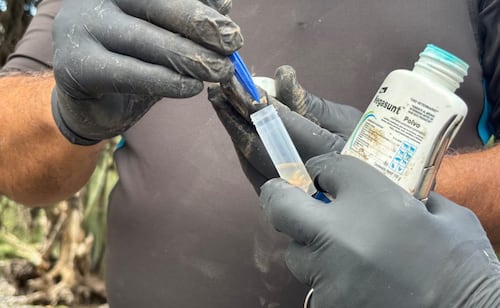
Meanwhile, incidences of the cattle screwworm have shown a positive trend, decreasing from 140 active cases last week to 100 at the start of this week. The primary areas affected are Soto la Marina and Aldama, where sanitary brigades have intensified their presence and implemented control measures. These measures include sanitary sweeps, administering doramectin to affected animals, and using the product Exalt as part of the eradication protocol.
We continue working with all the measures we have implemented and reinforcing actions in the areas where the highest number of cases occur.
DistantNews Editorial
Originally published by El Universal in Spanish. Translated, summarized, and contextualized by our editorial team with added local perspective. Read our editorial standards.
More Stories



From Our Blog

What Press Freedom Means for the News You Read

What Gets Lost (and Found) When News Is Translated

The Critical Role of Diaspora Media in Global News

What Travellers Should Know About Countries with Restricted Press

A Digital Nomad's Guide to Following Local News
