


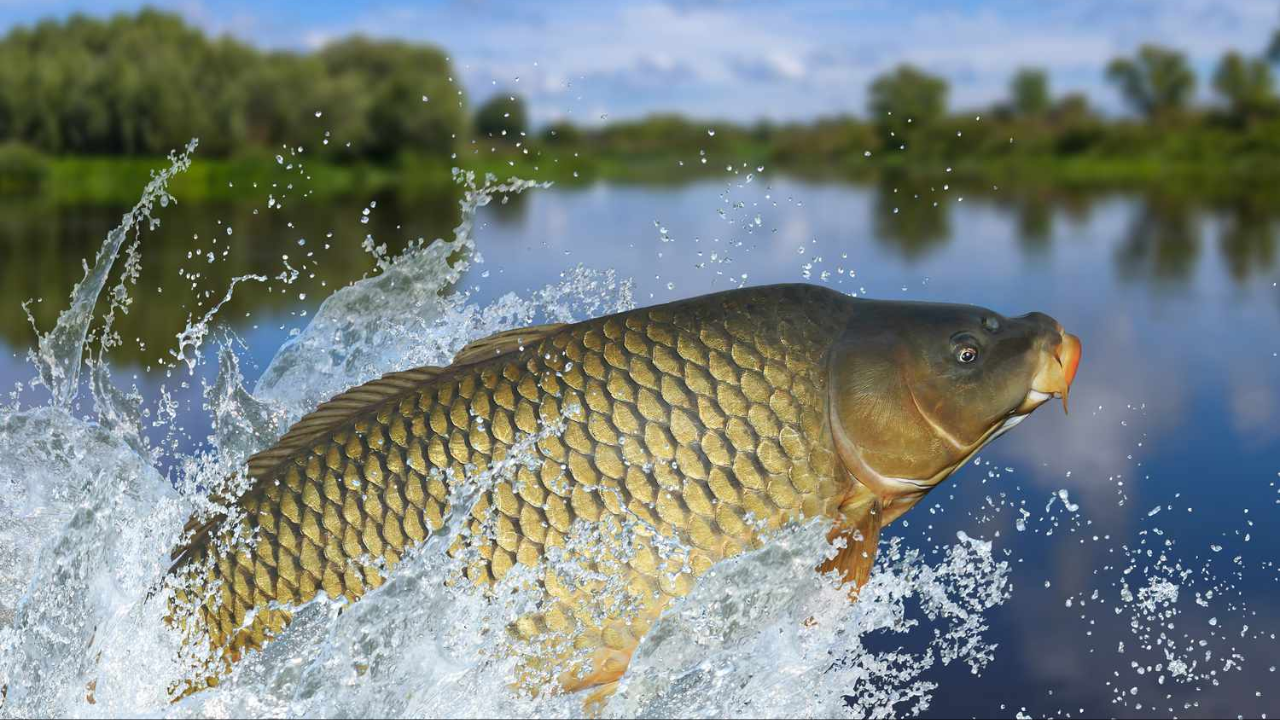
Tasmania spent 28 years removing invasive carp from two lakes; after 49,301 fish were...
Summarized and contextualized by DistantNews.
At a glance
In-depth
Documents & data
Outcome reported
- Tasmania has successfully eradicated invasive European carp from Lake Sorell and Lake Crescent after a 28-year campaign.
- The operation involved the removal of 49,301 carp, significantly improving water clarity, restoring native plants, and aiding the recovery of brown trout populations.
- Carp were illegally introduced in 1995, posing a severe threat to native species and wetlands, prompting authorities to implement strict containment and removal strategies.
Tasmania has achieved a remarkable environmental victory, eradicating invasive European carp from two major lakes after a dedicated 28-year effort. The Tasmanian Inland Fisheries Service (IFS) has officially declared the fish functionally extinct from Lake Sorell and Lake Crescent, a feat considered almost impossible in large, open freshwater systems.
The intensive campaign resulted in the capture and removal of 49,301 invasive fish: 41,504 from Lake Sorell and 7,797 from the adjacent Lake Crescent. This extensive removal has led to significant ecological improvements. Water clarity has dramatically increased, native aquatic plants have returned to marsh areas, and populations of wild brown trout have recovered, revitalizing the lakes as important recreational fisheries.
The carp infestation began in January 1995 when they were first discovered in Lake Crescent, with nearby Lake Sorell confirmed to be infested soon after. Authorities believe the fish were illegally introduced as bait. These bottom-feeding fish are highly destructive, uprooting aquatic plants, damaging spawning grounds, and stirring up silt that blocks sunlight and harms native species. The infestation posed a critical threat to the golden galaxias, a rare native fish endemic to the region, and to protected wetlands under the Ramsar Convention.
To prevent the carp from spreading into Tasmania's wider river system, the IFS implemented strict measures. They closed the lakes to public access, installed screens to block water flow into the Clyde River, and established the dedicated Carp Management Program. Given the lakes' size and the need to protect native species, poisoning was ruled out. Draining the lakes was also not feasible, forcing managers to rely on physical removal and breeding prevention. A key strategy involved using radio transmitters on captured male carp, dubbed "Judas fish," to track and locate spawning groups for netting.
DistantNews Editorial
Originally published by Times of India. Summarized and contextualized by our editorial team with added local perspective. Read our editorial standards.
More Stories



From Our Blog

What Press Freedom Means for the News You Read

What Gets Lost (and Found) When News Is Translated

The Critical Role of Diaspora Media in Global News

What Travellers Should Know About Countries with Restricted Press

A Digital Nomad's Guide to Following Local News
