


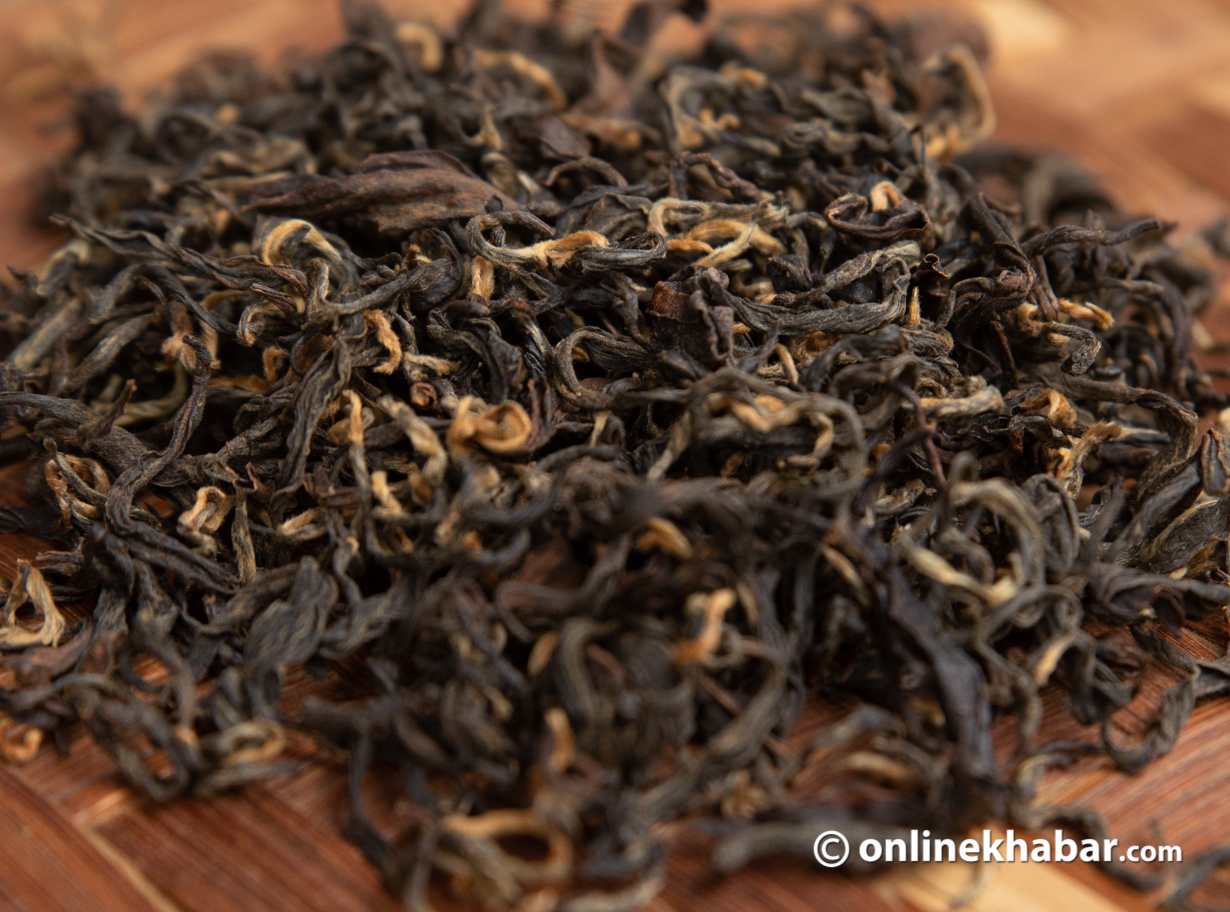
Tea exports to India decline through Kakarvitta point
Summarized and contextualized by DistantNews.
At a glance
News
Documents & data
Outcome reported
- Exports of Nepali tea to India through the Kakarvitta border point have decreased in the last fiscal year.
- Both the volume and value of tea exports declined, resulting in a loss of earnings for Nepal.
- Factors contributing to the decline include price fluctuations in the Indian market, non-tariff barriers, and international market demand shifts.
Exports of Nepali tea to India via the Kakarvitta border point in Jhapa have seen a significant decline over the past fiscal year. Data from the Kakarvitta Customs Office reveals a drop in both the quantity and monetary value of tea shipped across the eastern border.
In the fiscal year 2082/83 BS, Nepal exported 13,045 metric tons of tea valued at Rs 3.53 billion to India. This marks a decrease from the previous fiscal year, 2081/82 BS, when 15,311 metric tons worth Rs 4.17 billion were exported. The reduction in export volume led to a shortfall of Rs 639.69 million in tea export earnings.
According to Shivlal Neupane, Chief Customs Administrator, tea is Nepal's second-largest export commodity through Kakarvitta, after cardamom. He cited several reasons for the downturn in exports, primarily the Indian market's price fluctuations. Additionally, non-tariff barriers related to quality testing and shifts in production and pricing influenced by global market demand have impacted trade.
A substantial portion of both CTC and orthodox tea produced in Nepal is destined for the Indian market through this key border crossing. The decrease in exports is anticipated to negatively affect tea farmers, industrialists, and suppliers, potentially widening Nepal's existing trade deficit.
Since India is the primary market for Nepali tea, exports have been affected by price fluctuations in the Indian market, non-tariff barriers related to quality testing, and changes in production and pricing driven by international market demand.
DistantNews Editorial
Originally published by OnlineKhabar English. Summarized and contextualized by our editorial team with added local perspective. Read our editorial standards.
More Stories


From Our Blog

What Gets Lost (and Found) When News Is Translated

The Critical Role of Diaspora Media in Global News

What Travellers Should Know About Countries with Restricted Press

A Digital Nomad's Guide to Following Local News

How the Same Story Looks Different in Different Countries
