


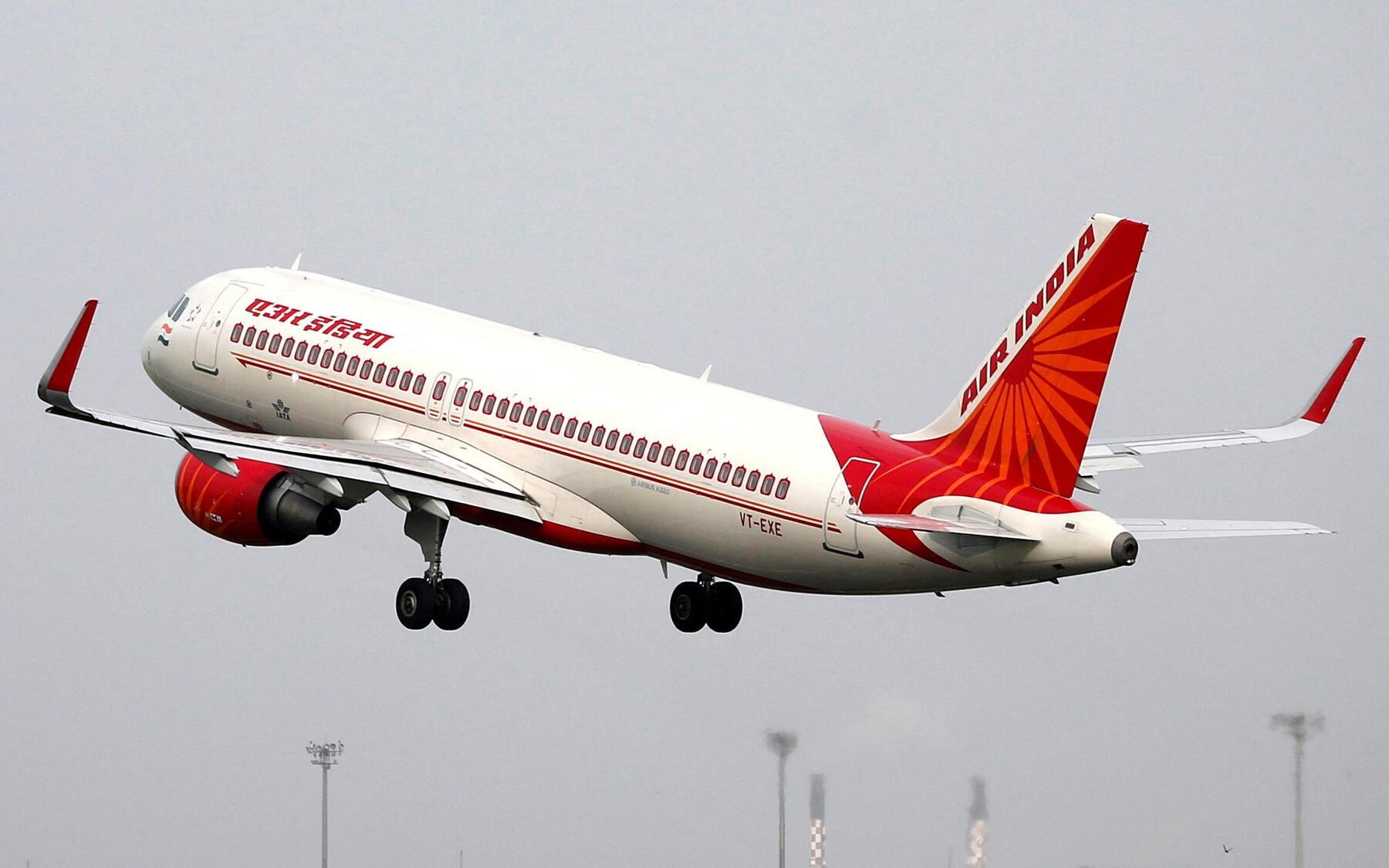
Technical problems suspected in Air India incident causing injuries
Translated from German, summarized and contextualized by DistantNews.
At a glance
News
From a news agency
Under investigation
- An Air India Airbus A320 experienced a sudden loss of altitude and pressure drop, injuring 24 people.
- Preliminary analysis suggests technical issues with the hydraulic systems caused the incident.
- The captain tested positive for marijuana, prompting mandatory drug tests for all Air India pilots, though a link to the incident is unproven.
An Air India flight en route from Phuket to Delhi experienced a significant incident on August 4, resulting in 24 passengers sustaining injuries. The Airbus A320 aircraft suddenly lost approximately 90 meters of altitude, accompanied by a pressure drop, according to a preliminary analysis by Airbus.
The investigation indicates that the aircraft's hydraulic systems may be the cause. The analysis revealed that pressure failed sequentially in all three hydraulic systems, rendering the elevators and ailerons inoperable for about four seconds. The co-pilot attempted to correct the aircraft's attitude, but the controls showed no immediate response before the systems stabilized.
While the exact cause of the hydraulic pressure loss remains undetermined, Airbus has requested Air India to inspect the hydraulics, sensors, and check the aircraft for any damage. Neither Airbus nor Air India has yet commented on the findings. Indian authorities have classified the event as a serious incident.
Adding to the complexity, the flight's captain tested positive for marijuana following the incident. This led Air India to implement mandatory drug testing for all its pilots. However, officials have not established a direct link between the captain's marijuana use and the loss of altitude. Air India, which has a partial stake from Singapore Airlines, is already under increased regulatory scrutiny following a fatal Boeing 787 crash in June 2025. The airline is undergoing a restructuring process, with Tewolde Gebremariam, former head of Ethiopian Airlines, expected to take over as CEO.
DistantNews Editorial
Originally published by Die Presse in German. Translated, summarized, and contextualized by our editorial team with added local perspective. Read our editorial standards.
More Stories



From Our Blog

What Gets Lost (and Found) When News Is Translated

The Critical Role of Diaspora Media in Global News

What Travellers Should Know About Countries with Restricted Press

A Digital Nomad's Guide to Following Local News

How the Same Story Looks Different in Different Countries
