


Technology can make worksites safer, but good practices remain key: Industry players
Summarized and contextualized by DistantNews.
At a glance
News
Named sources
Context piece
- Singaporean companies are increasingly using technology to enhance workplace safety, from cooling garments to real-time software.
- Innovations include robots for tasks like spray-painting and specialized clothing to combat heat stress.
- Experts emphasize that technology is most effective when combined with strong safety practices, clear procedures, and human oversight.
Companies in Singapore are adopting advanced technologies to bolster safety standards at worksites, introducing innovations designed to mitigate risks and improve worker well-being. These advancements range from high-tech cooling garments that help combat heat stress to sophisticated software capable of detecting unsafe practices in real time.
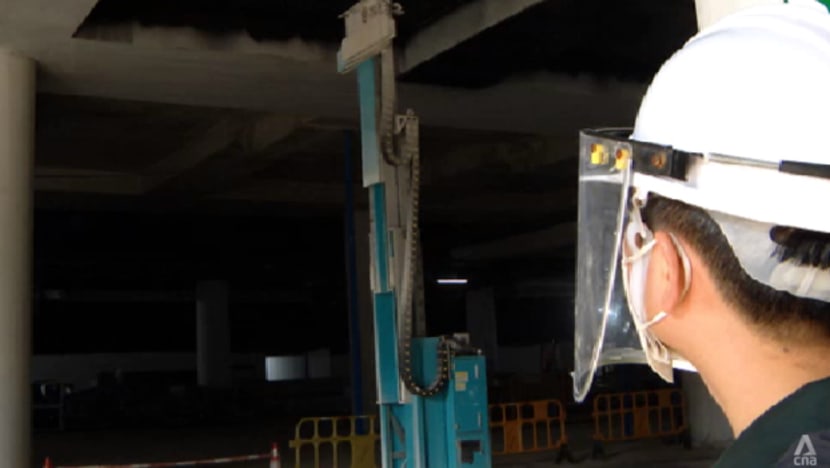
At the new NS Square construction site in Marina Bay, a robot is employed for routine spray-painting tasks. This automation not only ensures a more consistent finish but also reduces the need for manual labor, thereby enhancing both efficiency and safety. Project leaders, however, stress that technology is only one component of a comprehensive safety strategy.
Murray Dundas, executive director at Expand Construction and project director for NS Square, highlighted the ongoing importance of human oversight and consistent safety protocols. "We have monthly committee meetings. We insist that the bosses, the subcontractors, come on a quarterly basis to the site to understand (it) and the conditions their teams are facing," he stated.
The site is also trialing garments equipped with cooling gel technology. These garments, including singlets and arm sleeves, are activated by water or sweat, helping to lower body temperature and reduce the risk of heat stress. Field trials indicated that these cooling garments lowered surface temperatures by approximately 4°C and were positively received by workers, demonstrating the practical benefits of integrating technology with established safety cultures.
We have monthly committee meetings. We insist that the bosses, the subcontractors, come on a quarterly basis to the site to understand (it) and the conditions their teams are facing.
DistantNews Editorial
Originally published by CNA. Summarized and contextualized by our editorial team with added local perspective. Read our editorial standards.
More Stories



From Our Blog

What Gets Lost (and Found) When News Is Translated

The Critical Role of Diaspora Media in Global News

What Travellers Should Know About Countries with Restricted Press

A Digital Nomad's Guide to Following Local News

How the Same Story Looks Different in Different Countries
