


Technology Use, Not Technology Itself, Fuels Childhood Myopia
Translated from Vietnamese, summarized and contextualized by DistantNews.
At a glance
News
Sources not specified
Context piece
- Myopia in children is a social issue reflecting changes in daily life, including increased screen time and reduced outdoor activity.
- Experts emphasize that technology itself isn't the problem, but rather the lack of guidance on safe and effective digital device use.
- Parents are urged to set clear rules for device usage, model good behavior, and encourage alternative activities to help children manage screen time.
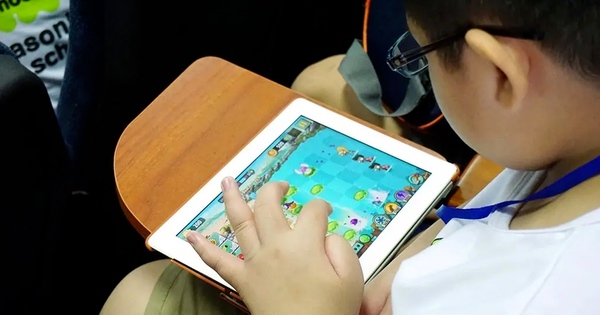
Childhood myopia is more than a medical issue; it's a social phenomenon reflecting modern lifestyles, according to experts. Increased urbanization, digital education, academic pressure, and altered family routines mean children spend more time with electronic devices and less time outdoors.
While technology is integrated into learning, work, and social life, the concern lies in how children use these devices and their ability to self-regulate. Experts note that apps are designed to hold attention, and children's developing brains struggle to disengage. Furthermore, digital devices can fulfill psychological needs like entertainment and social connection, especially if these are unmet offline.
"We cannot blame technology, nor can we ban children from using technology," stated Dr. Pham Thi Thuy, a sociologist and therapist. "The issue is that families and schools have not adequately guided children on safe and effective digital device use." She stressed that children often learn to rely on screens for emotional regulation, using them to be soothed when upset.
We cannot blame technology, nor can we ban children from using technology. The issue is that families and schools have not adequately guided children on safe and effective digital device use.
Parents play a crucial role in mitigating myopia. They should model responsible device usage, engage in outdoor activities with their children, and schedule regular eye exams. Instead of outright bans, which can increase curiosity or conflict, parents should establish clear rules, such as no devices during meals or before bed. "If adults are always holding their phones but ask children not to use them, children will find it very difficult to cooperate," said therapist Nguyen Hai Uyen.
Creating "stopping points" is key. After 30-45 minutes of screen time, children should take short breaks for physical activity, look into the distance, or go outside. Providing engaging alternatives like sports, meeting friends, or pursuing new hobbies is essential for healthy development.
If adults are always holding their phones but ask children not to use them, children will find it very difficult to cooperate.
DistantNews Editorial
Originally published by Thanh Niên in Vietnamese. Translated, summarized, and contextualized by our editorial team with added local perspective. Read our editorial standards.
More Stories



From Our Blog

What Gets Lost (and Found) When News Is Translated

The Critical Role of Diaspora Media in Global News

What Travellers Should Know About Countries with Restricted Press

A Digital Nomad's Guide to Following Local News

How the Same Story Looks Different in Different Countries
