


Tel Aviv neighborhood turns organic waste into local currency
Translated from English, summarized and contextualized by DistantNews.
At a glance
In-depth
Named sources
Context piece
- A community in south Tel Aviv has created an eco-friendly mini-economy using a local currency called the Lira Shapira, distributed in exchange for organic waste.
- Residents exchange organic waste for vouchers, which they use to buy local produce and crafts, fostering sustainability and community connection.
- The initiative saves municipal waste treatment costs and reduces methane emissions, with similar programs planned across Israel.
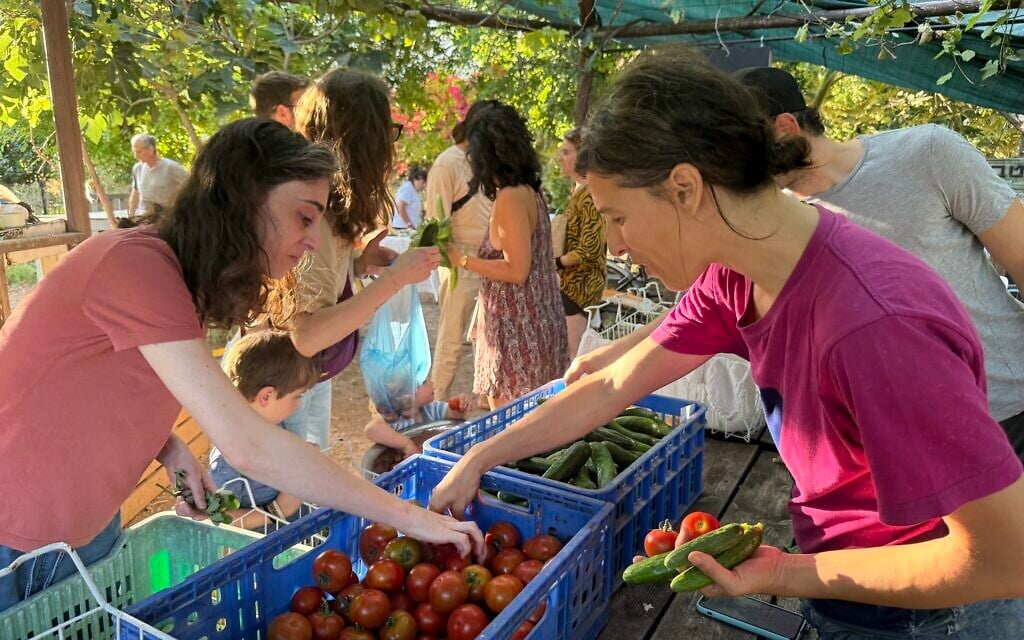
In the Shapira neighborhood of Tel Aviv, a unique economic system thrives on organic waste. The Lira Shapira, a local currency named after the Israeli lira and the neighborhood itself, fuels a vibrant mini-economy. Residents collect organic waste, which is then transformed into compost.
In return for their waste, participants receive Lira Shapira vouchers. These vouchers act as currency, allowing them to purchase fresh organic vegetables, oils, soaps, bread, and even therapeutic treatments from local artisans and entrepreneurs. This system not only promotes a sustainable lifestyle but also provides access to healthy, locally-sourced goods at a discount.
Perry Samnon, founder and chairman of Lira Shapira, highlights the dual benefits: the municipality saves on waste treatment costs, and the environment benefits from reduced methane emissions from landfills. The initiative also strengthens community bonds by bringing neighbors together in a shared garden space and supports local businesses by providing them with new customers.
Inspired by the success of Lira Shapira, which has 300 household members, similar programs are emerging across Israel. These include ShtarGalim in Haifa, Lish Harish in Harish, AsimonTziv’on in Kibbutz Tziv’on, and Groo-v in Beersheba, demonstrating a growing movement towards localized, sustainable economies.
The municipality gains by not having to transport organic waste to landfill sites, and the environment benefits because keeping organic waste out of landfills creates less methane, which is a major cause of global warming.
DistantNews Editorial
Originally published by Times of Israel in English. Translated, summarized, and contextualized by our editorial team with added local perspective. Read our editorial standards.
More Stories



From Our Blog

What Gets Lost (and Found) When News Is Translated

The Critical Role of Diaspora Media in Global News

What Travellers Should Know About Countries with Restricted Press

A Digital Nomad's Guide to Following Local News

How the Same Story Looks Different in Different Countries
