


Ten Minutes to Eternity: The Story of the Abbey Road Cover and the Bizarre Funeral Procession Theory
Translated from Croatian, summarized and contextualized by DistantNews.
At a glance
In-depth
Sources not specified
Context piece
- The iconic "Abbey Road" album cover, featuring The Beatles crossing a zebra crossing, was created on August 8, 1969, amidst internal band tensions.
- The pragmatic decision to photograph outside the EMI studio in London, rather than pursue more elaborate ideas, resulted in one of the 20th century's strongest visual symbols.
- The seemingly simple image sparked bizarre conspiracy theories, most notably the "Paul is dead" rumor, with fans interpreting details as hidden messages.
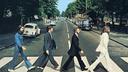
On a hot summer day, August 8, 1969, one of music history's most recognizable photographs was taken. Behind the image of four men on a zebra crossing lies the story of a band on the brink of collapse.
The world in 1969 was unaware that The Beatles were nearing their end. Behind the scenes, conflicts had brought the biggest band in the world to a breaking point. The "Let It Be" project had been so arduous that producer George Martin believed he would never work with them again. Yet, Paul McCartney persuaded him to make one last attempt, on the condition that they record an album as they used to. It was in this atmosphere of reconciliation and a swan song that the album, which would become their sonic testament, was created.
When it came time for the cover, the exhausted band had no energy for complicated concepts. The solution presented itself simply, a step away from the studio. The initial idea was quite different. Sound engineer Geoff Emerick was smoking "Everest" brand cigarettes, which inspired the band to name the album after them. This was followed by the idea of photographing on the slopes of the Himalayas, but the thought of a long journey appealed to no one. "Why don't we just go outside and take a picture on the street?" McCartney suggested. The idea was accepted with relief. The album would be called "Abbey Road," after the street of the EMI studio, and the photograph would be taken on the zebra crossing.
This pragmatic solution, born out of fatigue, would become one of the 20th century's most powerful visual symbols. The photography was entrusted to Iain Macmillan. On that August 8th, a policeman briefly stopped traffic. Macmillan climbed onto a ladder, and the quartet was instructed: cross the road. In about ten minutes, they crossed the zebra three times, and Macmillan took six photos. Reviewing the shots, McCartney chose the fifth one. It was the only one where all were perfectly synchronized in their stride. The picture was full of spontaneous details: John in white leading the column, Ringo following him in black, George in denim, and Paul barefoot, having removed his sandals due to the heat. They had no idea that every detail would soon become the subject of global debate.
Besides the famous quartet, other passers-by also accidentally appeared in the photograph. Standing on the pavement behind John was American tourist Paul Cole. Watching the "four oddballs" cross the road, he had no idea what he was witnessing. Months later, he recognized himself on the album cover. On the left side of the picture, three decorators – Alan Flanagan, Steve Millwood, and Derek Seagrove – were also captured, returning from a lunch break. They recounted how the photographer waved for them to move, but they decided to ignore him, unaware they would become part of history. In the autumn of 1969, an incredible rumor spread through America: Paul McCartney was dead. According to the theory, he died in an accident in 1966 and was replaced by a double, and the band left secret messages in songs and on covers. The "Abbey Road" cover became the crowning proof. They interpreted it as a depiction of a funeral procession: John in white as a priest, Ringo in black...
Why don't we just go outside and take a picture on the street?
DistantNews Editorial
Originally published by Večernji List in Croatian. Translated, summarized, and contextualized by our editorial team with added local perspective. Read our editorial standards.
More Stories
From Our Blog

What Gets Lost (and Found) When News Is Translated

The Critical Role of Diaspora Media in Global News

What Travellers Should Know About Countries with Restricted Press

A Digital Nomad's Guide to Following Local News

How the Same Story Looks Different in Different Countries
