

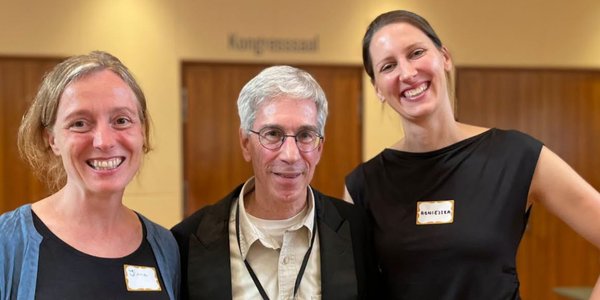

Teresa Siudem: Photography that can cost a fortune
Translated from Polish and summarized by DistantNews. Read the original for the full story.
At a glance
News
Official statement
Context piece
- Using someone's image in advertising without consent can lead to significant financial consequences.
- This is based on Poland's copyright law, which generally requires consent for image distribution.
- Exceptions exist for public figures in public roles and when an individual is part of a larger event.
Using an individual's likeness in an advertising campaign without their permission can result in substantial financial penalties, according to Polish law. Article 81 of the Copyright Act stipulates that the distribution of an image typically requires the consent of the person depicted.
There are limited exceptions to this rule. These primarily include the image of widely known individuals when captured in connection with their public duties. Consent is also not required if the person is merely an incidental part of a larger gathering or public event. In all other circumstances, obtaining explicit permission is necessary.
Dissemination of an image, as a rule, requires the consent of the person depicted.
The responsibility for image distribution lies with the entity using it, not solely with the photographer or advertising agency. Therefore, proactive measures such as clearly defined legal agreements, securing proper consents, and conducting thorough risk assessments before publishing materials are crucial. This ensures compliance and avoids potential legal and financial repercussions.
The responsibility for its dissemination rests with the entity that uses it.
About this summary
Originally published by Rzeczpospolita in Polish. Translated, summarized, and contextualized automatically by DistantNews, with a note on how the source frames the story. Not individually reviewed before publishing. How this works.
More Stories


From Our Blog

News in Translation: What Gets Lost, and How We Keep the Framing

Diaspora Media: How Communities Abroad Follow Home

Traveling Where the Press Is Not Free: How to Read the News There

The Digital Nomad's Guide to Local News

The Same Story, Different Countries: How Coverage Changes at the Border
