


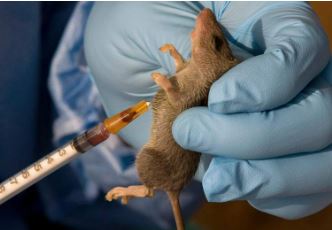
TETFund challenges Nigerian scientists to develop local Lassa fever vaccine
Summarized and contextualized by DistantNews.
At a glance
News
Named sources
New plan
- Nigeria's Tertiary Education Trust Fund (TETFund) is urging scientists to develop an indigenous Lassa fever vaccine.
- The call comes as a study reveals the disease kills between 5,000 and 10,000 Nigerians annually.
- TETFund has pledged support to translate research findings into national health interventions and potentially establish a vaccine development center.
Nigeria's Tertiary Education Trust Fund (TETFund) has issued a significant challenge to the nation's scientists: accelerate the development of the country's first homegrown Lassa fever vaccine. This urgent call follows new research indicating that the deadly disease claims between 5,000 and 10,000 Nigerian lives each year.
What is the shortest route towards developing a vaccine? How can we ensure that the burden on our people is reduced? Every year, thousands of Nigerians die from Lassa fever. How can we reduce this burden?
Sonny Echono, Executive Secretary of TETFund, made the appeal during the presentation of outcomes from a N250 million research project on Lassa Fever, funded by TETFund and conducted by the Federal University of Health Sciences, Otukpo (FUHSO). Echono highlighted Lassa fever as one of Nigeria's most critical public health crises, emphasizing the need to move beyond academic study to practical, life-saving solutions that can reduce the annual death toll.
"What is the shortest route towards developing a vaccine? How can we ensure that the burden on our people is reduced? Every year, thousands of Nigerians die from Lassa fever. How can we reduce this burden?" Echono questioned, stressing that immunization is the most effective strategy against infectious diseases. He sought the quickest path to vaccine development and assured scientists of TETFund's commitment to collaborating with the Nigeria Centre for Disease Control and Prevention (NCDC), the Federal Ministry of Health, and other relevant agencies to implement the research findings.
I know a vaccine is usually the most effective mode of disease control. You vaccinate people and they become almost immune. What is the fastest path, and how can TETFund support that drive, so we can achieve direct benefits and direct impact on the lives of Nigerians?
Echono also noted that successful validation of the findings could bolster the case for establishing a dedicated vaccine development center in Nigeria. He commended the researchers for generating evidence that could revolutionize healthcare delivery and enhance Nigeria's capacity to combat infectious diseases. Professor Francis Aba Uba, Vice-Chancellor of FUHSO, described the project as a landmark research investment for the university, showcasing TETFund's confidence in Nigerian researchers. The project has yielded crucial scientific data on Lassa fever's epidemiology, diagnosis, treatment, and control, while significantly upgrading the university's laboratory capabilities.
We will escalate these findings to the relevant authorities, including the NCDC and the Federal Ministry of Health. If we receive the validation we expect, it will strengthen our case for establishing a vaccine development centre in Nigeria.
DistantNews Editorial
Originally published by Vanguard. Summarized and contextualized by our editorial team with added local perspective. Read our editorial standards.
More Stories


From Our Blog

How the Same Story Looks Different in Different Countries

What Gets Lost (and Found) When News Is Translated

The Critical Role of Diaspora Media in Global News

What Travellers Should Know About Countries with Restricted Press

A Digital Nomad's Guide to Following Local News
