

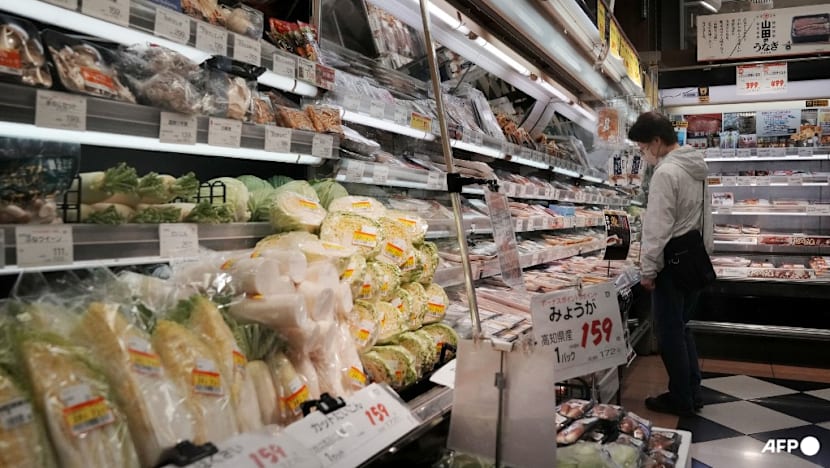

Thai PM seeks urgent talks with Malaysia over shrimp import ban
Translated from English, summarized and contextualized by DistantNews.
At a glance
News
Named sources
New plan
- Thai Prime Minister Anutin Charnvirakul called for urgent talks with Malaysia after it temporarily banned imports of five Thai shrimp species.
- The ban, part of tighter controls on Thai fishery products, could harm shrimp farmers, exporters, and the broader seafood supply chain.
- Thailand exports 6,000 to 8,000 tonnes of shrimp to Malaysia annually, representing about 5% of its total exports, with the ban potentially costing over 4 billion baht ($122.1 million) per year.
Thai Prime Minister Anutin Charnvirakul has urged immediate discussions with Malaysia to resolve a temporary ban on five Thai shrimp species. The ban, implemented as part of stricter controls on Thai fishery products, raises concerns about the livelihoods of Thai shrimp farmers, exporters, and the entire seafood supply chain. Government spokesperson Ratchada Thanadirek stated that prolonged restrictions could negatively impact farm-gate shrimp prices and the incomes of small-scale farmers. The Prime Minister has directed the commerce and agriculture ministers to engage in urgent bilateral talks with Malaysian authorities to find a trade solution that protects Thai farmers. "The prime minister emphasized that this issue must not become a burden borne solely by farmers, as the shrimp industry supports an entire supply chain, including farms, collectors, processing plants, exporters and a large workforce," Thanadirek said. Relevant agencies are also tasked with mitigating the impact of the restrictions. Measures include stabilizing farm-gate prices, managing domestic surplus, and seeking alternative export markets. Thailand exports between 6,000 and 8,000 tonnes of shrimp to Malaysia each year, accounting for approximately 5% of its total shrimp exports. The ban, which took effect Monday, could result in losses exceeding 4 billion baht (US$122.1 million) annually for Thailand. Malaysia is a key export market due to its proximity and ability to absorb aquaculture and coastal fishery output from southern Thailand. The ban was announced on May 16 by Malaysia's Agriculture and Food Ministry as a "trade response" and an upgrade of national food safety standards, covering specific shrimp varieties and requiring laboratory-verified certificates for seabass imports.
If the issue is allowed to persist, it could affect farm-gate shrimp prices and the incomes of small-scale farmers.
DistantNews Editorial
Originally published by CNA in English. Translated, summarized, and contextualized by our editorial team with added local perspective. Read our editorial standards.
More Stories


From Our Blog

What Gets Lost (and Found) When News Is Translated

The Critical Role of Diaspora Media in Global News

What Travellers Should Know About Countries with Restricted Press

A Digital Nomad's Guide to Following Local News

How the Same Story Looks Different in Different Countries
