

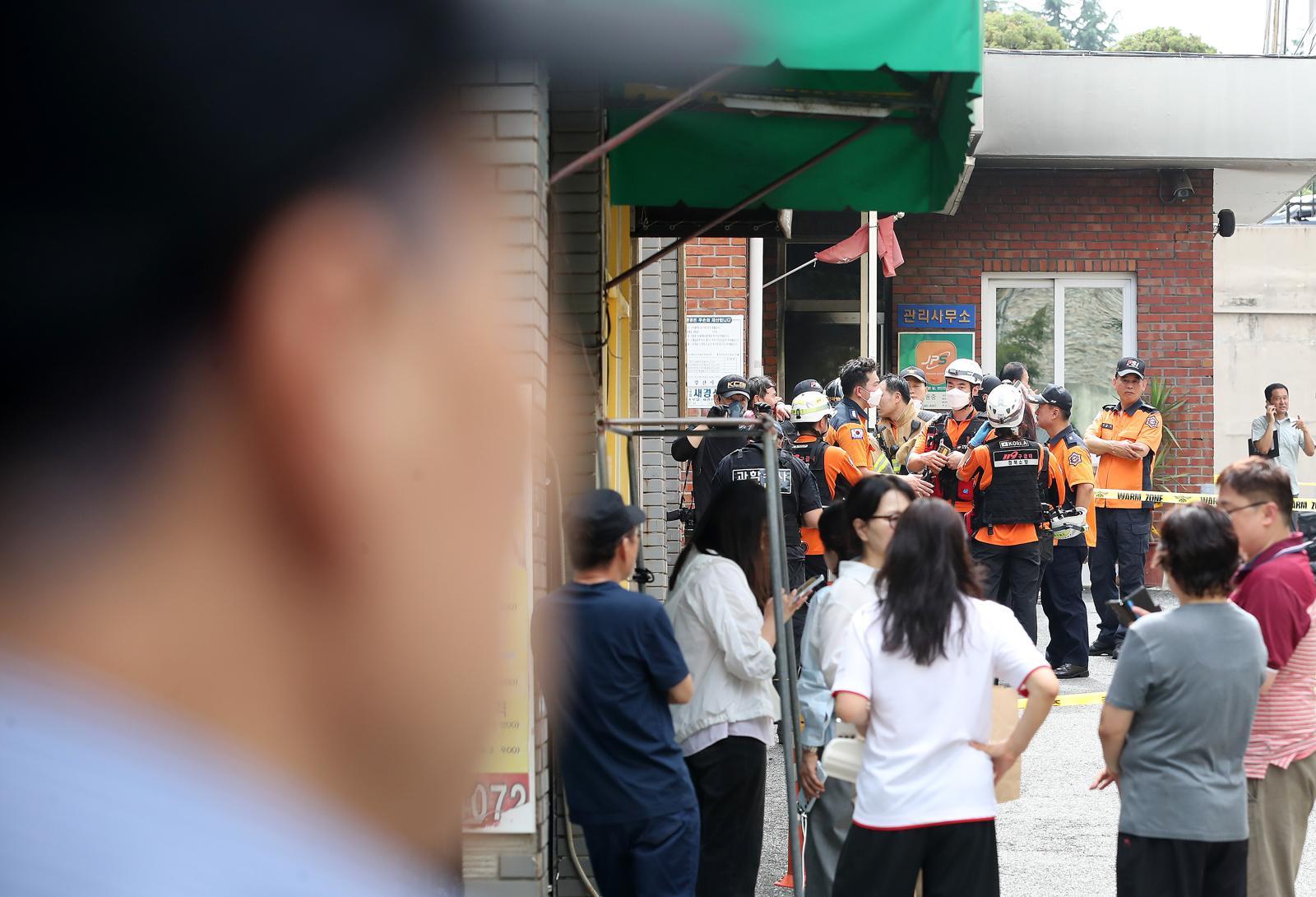

Thai worker dies in Korea’s heatwave; migrant deaths often uncounted
Translated from Korean, summarized and contextualized by DistantNews.
At a glance
News
Sources not specified
Outcome reported
- A 37-year-old Thai migrant worker died from heatstroke in South Korea after working for only six days.
- His death was not officially counted among the summer's heat-related fatalities, highlighting the vulnerability of migrant laborers.
- The incident occurred during a heatwave with temperatures exceeding 33 degrees Celsius, and ground temperatures over 50 degrees.
A 37-year-old Thai migrant worker, identified only by a pseudonym, died from heatstroke on July 25, 2026, after just six days in South Korea. Nakhon Saensawat arrived in the country on July 20 and began working in a cabbage field on July 23, the same day a heatwave warning was issued for Haenam County.
On July 25, while working in the field under a scorching sun with ground temperatures exceeding 50 degrees Celsius (122 degrees Fahrenheit), Saensawat complained of dizziness around 3 p.m. He collapsed and his heart stopped en route to the hospital. Paramedics noted symptoms consistent with severe heatstroke, including a body temperature exceeding 42 degrees Celsius and dry skin.
Instead of a number, the term “HI” appeared on the thermometer Jeong used, meaning that an accurate reading was impossible since the temperature exceeded 42 degrees.
Despite 30 heat-related deaths reported in Korea that summer as of August 9, Saensawat's death was not officially counted among them. The article suggests a hierarchy of protection during heatwaves, with migrant workers at the bottom, their deaths often unregistered. Thousands of unregistered miners, known as "zama zamas," operate in South Africa, scavenging abandoned mines for gold and other minerals in arduous and often perilous conditions.
Nakhon’s body was hot but not sweating, with parched skin, typical symptoms of heatstroke.
DistantNews Editorial
Originally published by Hankyoreh in Korean. Translated, summarized, and contextualized by our editorial team with added local perspective. Read our editorial standards.
More Stories


From Our Blog

What Gets Lost (and Found) When News Is Translated

The Critical Role of Diaspora Media in Global News

What Travellers Should Know About Countries with Restricted Press

A Digital Nomad's Guide to Following Local News

How the Same Story Looks Different in Different Countries
