


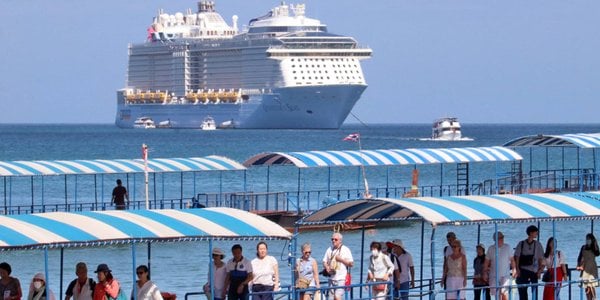
Thailand invests in maritime tourism with new large ship terminal
Translated from Polish, summarized and contextualized by DistantNews.
At a glance
News
Sources not specified
New plan
- Thailand is investing $370 million to build a new cruise terminal on the popular island of Koh Samui.
- The project aims to attract larger cruise ships and boost the tourism industry in southern Thailand.
- Challenges include ensuring sufficient water and wastewater infrastructure to support the increased tourism.
Thailand is moving forward with plans to construct a new cruise terminal on Koh Samui, one of its most popular tourist islands. The project, estimated at $370 million, aims to significantly upgrade the country's cruise infrastructure and accommodate larger vessels that cannot currently dock at existing facilities.
The new terminal is slated to be built on approximately 7.5 hectares and is designed to handle between 200,000 and 400,000 cruise passengers annually, with around 240 ship calls. This public-private partnership will see a private operator manage construction and operations, while the government will spread the infrastructure costs over 10 years. Thailand anticipates this investment will enhance the significance of its southern region for Asian cruise itineraries.
However, the project faces challenges, particularly concerning limited freshwater resources and inadequate wastewater treatment facilities on Koh Samui. Local authorities are exploring solutions, including the potential construction of an undersea pipeline and collaboration with local institutions. Upon completion, the terminal is expected to position Koh Samui as a more important hub for Southeast Asian cruises, boosting tourism revenue and developing a segment that has been growing in the region.
DistantNews Editorial
Originally published by Rzeczpospolita in Polish. Translated, summarized, and contextualized by our editorial team with added local perspective. Read our editorial standards.
More Stories



From Our Blog

What Gets Lost (and Found) When News Is Translated

The Critical Role of Diaspora Media in Global News

What Travellers Should Know About Countries with Restricted Press

A Digital Nomad's Guide to Following Local News

How the Same Story Looks Different in Different Countries
