

The 11 key achievements of China’s ‘iron premier’ Zhu Rongji – in his own words
Summarized and contextualized by DistantNews.
At a glance
In-depth
Sources not specified
Context piece
- The article highlights 11 key achievements of former Chinese Premier Zhu Rongji.
- Zhu Rongji is credited with transforming China's economy from a planned system to a market-driven one.
- His tenure (1998-2003) saw an economic "soft landing," navigating the Asian Financial Crisis, and securing WTO entry.
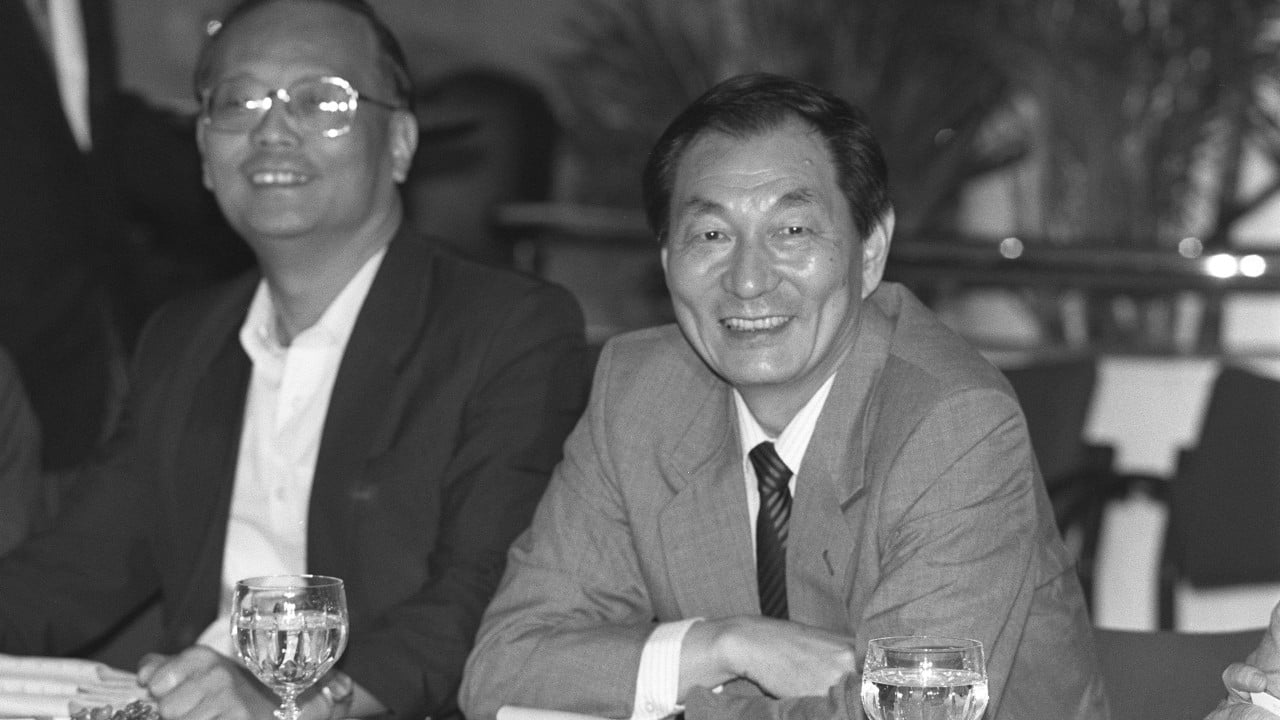
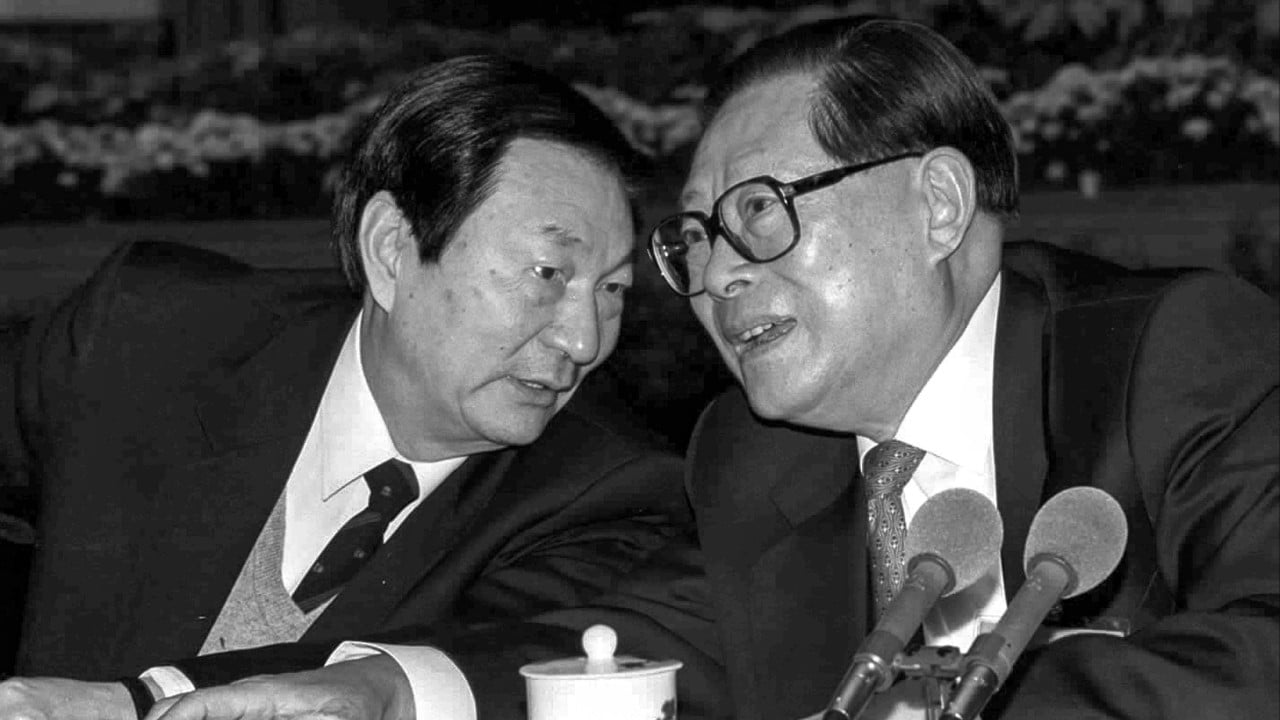
Former Chinese Premier Zhu Rongji, known for his sharp intellect and unwavering commitment to reform, was the principal architect behind China's pivotal transition from a centrally planned, isolated economy to a global market powerhouse. His leadership from 1998 to 2003 was marked by significant economic achievements, including engineering a "soft landing" for the economy, successfully guiding the nation through the Asian Financial Crisis, and securing China's entry into the World Trade Organization (WTO), thereby laying the foundation for the country's subsequent historic economic transformation.
One of Zhu's significant early contributions came during his tenure as mayor of Shanghai from 1988 to 1991. He spearheaded the restructuring of the city's industrial base, with a strong emphasis on exports, and initiated the development of the Pudong New Area, a crucial economic zone. Recognizing the vital role of foreign direct investment, Zhu championed policies to attract international capital, understanding its importance for Shanghai's future growth. Reflecting on his approach, Zhu stated in 1987, "If there’s one thing about me, my guiding principle, it’s independent thought. I feel that whatever’s on my mind is what I should say out loud. … What Shanghai needs most right now is grounded, practical follow-through."
Upon his appointment as governor of the People's Bank of China in 1993, Zhu confronted immense challenges within the nation's financial and payment systems. Banks and state-owned enterprises (SOEs) were deeply entangled in a complex web of "triangular debt." This phenomenon, where a chain of outstanding debts paralyzes economic activity, Company A owes Company B, Company B owes Company C, and Company C owes Company A, posed a significant threat to economic stability. Zhu's efforts were instrumental in defusing this crisis and restoring financial order.
If there’s one thing about me, my guiding principle, it’s independent thought. I feel that whatever’s on my mind is what I should say out loud. … What Shanghai needs most right now is grounded, practical follow-through.
DistantNews Editorial
Originally published by South China Morning Post. Summarized and contextualized by our editorial team with added local perspective. Read our editorial standards.
More Stories
From Our Blog

Countries Without a Free Press: What You Need to Know

What Press Freedom Means for the News You Read

What Gets Lost (and Found) When News Is Translated

The Critical Role of Diaspora Media in Global News

What Travellers Should Know About Countries with Restricted Press
