

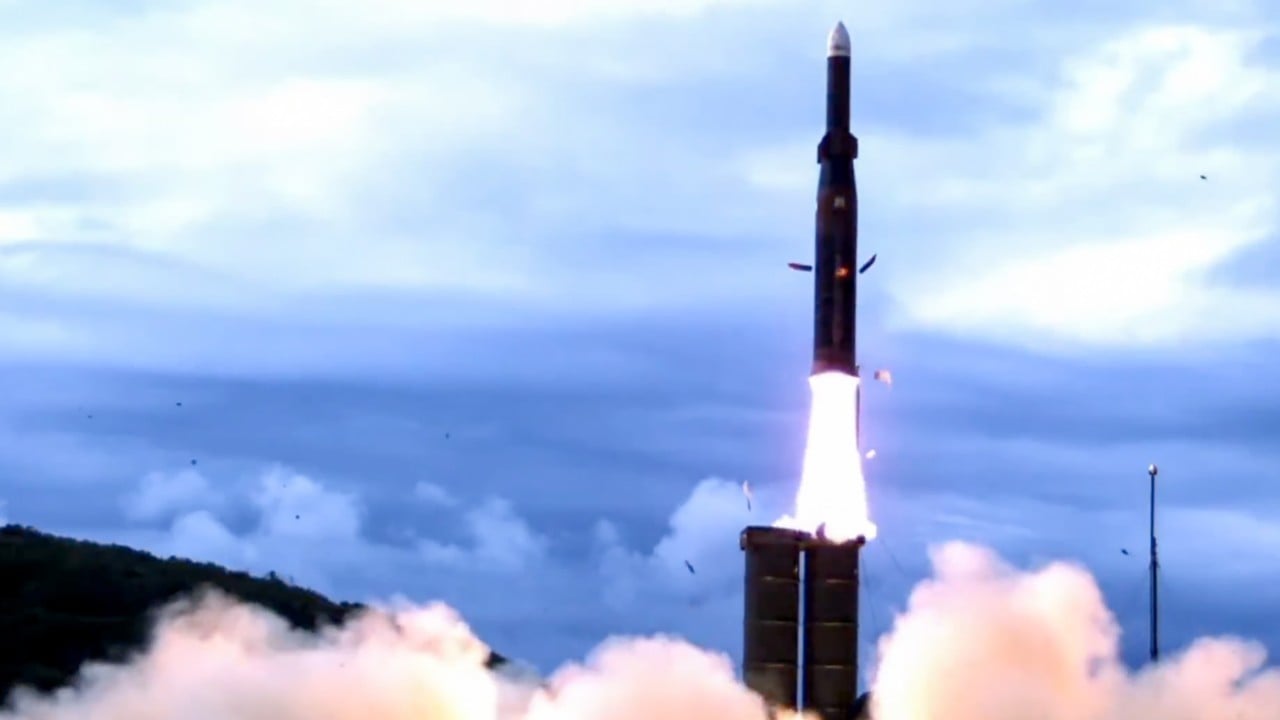

The 4 trilateral frameworks defining northeast Asia’s future
Summarized by DistantNews. Read the original for the full story.
At a glance
Analysis
Named sources
Context piece
- Northeast Asia's future is being shaped by four overlapping trilateral frameworks involving the US, China, and Russia.
- These frameworks include great-power management, a US-Japan-South Korea deterrence partnership, China-Japan-South Korea functional cooperation, and a China-Russia-North Korea counter-alignment.
- The interaction between these triangles influences regional stability, with great-power bargaining potentially lowering or intensifying tensions.
Northeast Asia's strategic landscape is increasingly defined by four distinct trilateral frameworks, creating a complex web of overlapping interests and potential conflicts. These structures involve the United States, China, and Russia, alongside regional players like Japan, South Korea, and North Korea.
The most encompassing layer is the emerging great-power management between the US, China, and Russia. While not a formal G3 or concert of powers, this dynamic influences discussions on critical issues such as Taiwan, Ukraine, nuclear risks, and sanctions. Direct engagement between leaders is seen as a way to stabilize these volatile areas, though opaque or transactional bargaining could heighten anxiety among regional allies and neighbors.
Alongside this great-power dynamic, three other trilateral structures are actively reorganizing the region. These include the US-Japan-South Korea deterrence partnership, focused on security cooperation; China-Japan-South Korea functional cooperation, aimed at practical collaboration; and a China-Russia-North Korea counter-alignment, which presents a distinct geopolitical bloc.
The interplay of these overlapping triangles means Northeast Asia is not being divided by a single line but is instead being pulled in multiple directions. The success of US-China-Russia bargaining in stabilizing regional flashpoints could lower overall tensions. Conversely, if this great-power interaction becomes dismissive of regional interests, it risks intensifying anxieties and potentially exacerbating existing conflicts.
About this summary
Originally published by South China Morning Post. Summarized and contextualized automatically by DistantNews, with a note on how the source frames the story. Not individually reviewed before publishing. How this works.
More Stories

From Our Blog

Countries Without a Free Press: The 2026 List and What It Means for Readers

What Press Freedom Means for the News You Read

News in Translation: What Gets Lost, and How We Keep the Framing

Diaspora Media: How Communities Abroad Follow Home

Traveling Where the Press Is Not Free: How to Read the News There
