

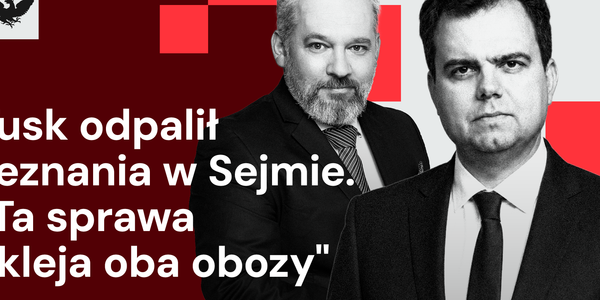

The Agony of Fidesz: Orbán Powerless, Politicians Flee, Polls Devastating
Translated from Polish and summarized by DistantNews. Read the original for the full story.
At a glance
Analysis
Named sources
Context piece
- Key figures within Viktor Orbán's Fidesz party are leaving politics and moving into the private sector, signaling a deep crisis.
- The new government is dismantling the oligarchic system and targeting the financial base of the former ruling party.
- A sharp decline in Fidesz's support is attributed to factors including EU funds and new economic policies.
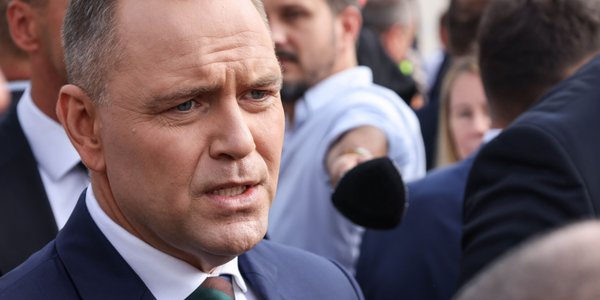
The departure of Péter Szijjártó, former Hungarian foreign minister, to the Chinese automotive giant BYD has extinguished any remaining hope for a better future among Fidesz activists. Szijjártó was groomed as Orbán's successor and considered the second most important figure in the party. His resignation from parliament and move to private business clearly indicates Fidesz is in a profound crisis and uncertain about its direction, according to Marton Gergely, editor-in-chief of HVG, a prominent Hungarian opinion weekly.
In mid-June, Gergely Gulyás, former head of the Fidesz parliamentary group and a close Orbán ally, also resigned. Officially, he protested a new law limiting parliamentary terms to 12 years, a rule that would have prevented him from running in the 2030 elections anyway. Similarly, former minister János Lázár, who made controversial remarks about the Roma minority, announced he would serve in parliament for only one year. Both Lázár and Szijjártó have largely disappeared from public view and media commentary since Fidesz's election defeat on April 12. Most of their party colleagues are also absent, leaving Fidesz's parliamentary benches frequently empty.
Szijjártó was groomed as Orbán's successor, considered the second most important figure in the party. If he resigned from parliament and moved to private business, it's clear to everyone that Fidesz is in a deep crisis and doesn't know where it's going.
Dániel Mikecz, an expert at the Budapest-based Republikon institute, explains that Fidesz lawmakers are avoiding sharp criticism from Prime Minister Péter Magyar and are hesitant to draw attention as a new, independent anti-corruption body begins its work. This exodus extends to Orbán's close oligarchs, including the wealthiest, Lőrinc Mészáros. The new government has vowed to revoke Mészáros's concession for collecting tolls on Hungarian highways, a move seen as a significant blow to the corrupt system built by Fidesz and a direct attack on the core interests of the previous administration.
The current crisis within Fidesz is multifaceted. The party faces a dramatic drop in public support after years of political dominance. The new government's economic policies and the unblocking of EU funds are playing a role in reshaping the political landscape. The dismantling of the oligarchic system and the focus on financial accountability are creating significant pressure on those who benefited from the previous regime's patronage networks. The widespread departures and the empty parliamentary seats underscore the party's internal turmoil and its uncertain future.
Fidesz lawmakers don't want to be the target of Prime Minister Péter Magyar's sharp remarks. They also prefer not to stand out too much at a time when the newly established independent anti-corruption institution is starting its work.
About this summary
Originally published by Rzeczpospolita in Polish. Translated, summarized, and contextualized automatically by DistantNews, with a note on how the source frames the story. Not individually reviewed before publishing. How this works.
More Stories

From Our Blog

News in Translation: What Gets Lost, and How We Keep the Framing

Diaspora Media: How Communities Abroad Follow Home

Traveling Where the Press Is Not Free: How to Read the News There

The Digital Nomad's Guide to Local News

The Same Story, Different Countries: How Coverage Changes at the Border
