


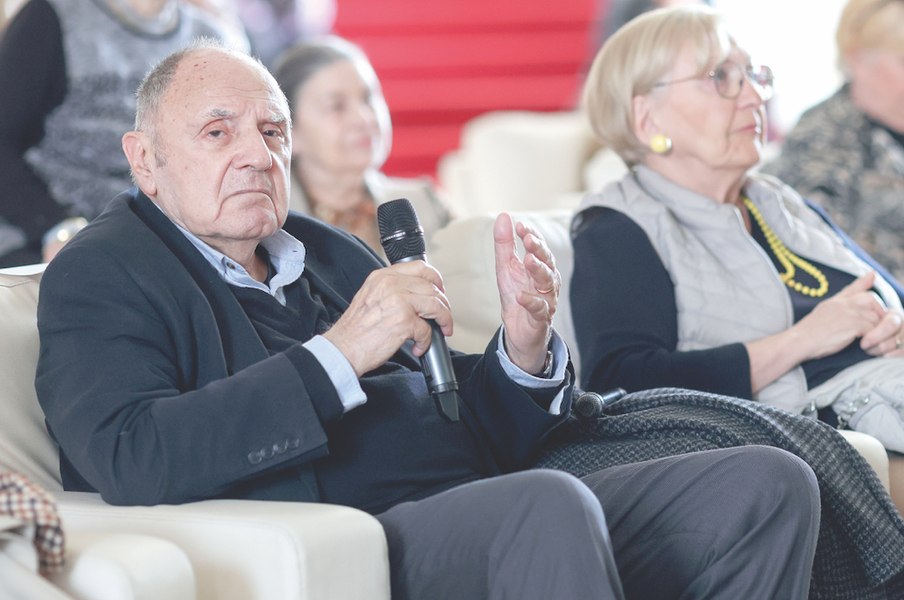
The Architect Who Built Bucharest's Icons and Said 'No' to Ceaușescu
Translated from Romanian, summarized and contextualized by DistantNews.
TLDR
- The article recounts the life and career of Romeo Belea, the architect behind Bucharest's National Theatre and Intercontinental Hotel.
- It details his early life, his family's move from Târgu Mureș to Craiova, and his education.
- Belea's architectural contributions are highlighted as symbolic of communist-era Bucharest, with a mention of his interactions with Nicolae Ceaușescu.
This piece delves into the life of Romeo Belea, an architect whose name is inextricably linked with some of Bucharest's most iconic structures: the National Theatre and the Intercontinental Hotel. More than just a biographical sketch, it offers a glimpse into the socio-cultural landscape of Romania during the 20th century, from Belea's birth in Tulcea to his formative years and eventual rise as a significant figure in Romanian architecture.
The narrative weaves together personal anecdotes with historical context. Belea's birth story, marked by his parents' journey from Târgu Mureș and the unique naming choice of "Romeo," adds a personal touch. His family's subsequent move to Craiova, a city that embraced them with its vibrant cultural scene, shaped his early experiences. The article emphasizes the rigor and dedication that characterized Belea's life and career, likening it to that of an athlete.
As the architect of landmark buildings during the communist era, Belea's work represents a significant chapter in Bucharest's urban development. The article hints at his interactions with the regime, particularly mentioning his refusal to comply with Nicolae Ceaușescu's directives. This detail underscores the potential complexities and challenges faced by creatives working under such a political climate, suggesting a quiet defiance and a commitment to his artistic vision.
From a Romanian perspective, Belea's story is a valuable reminder of the architectural heritage that defines Bucharest. These buildings are not just structures; they are symbols of a particular era, embodying both the aspirations and the constraints of the time. The article's focus on Belea's personal journey and his professional achievements provides a nuanced look at the man behind these monumental works, celebrating his contribution to the nation's cultural and architectural identity.
DistantNews Editorial
Originally published by Adevărul in Romanian. Translated, summarized, and contextualized by our editorial team with added local perspective. Read our editorial standards.
More Stories


From Our Blog

What Gets Lost (and Found) When News Is Translated

The Critical Role of Diaspora Media in Global News

What Travellers Should Know About Countries with Restricted Press

A Digital Nomad's Guide to Following Local News

How the Same Story Looks Different in Different Countries
