


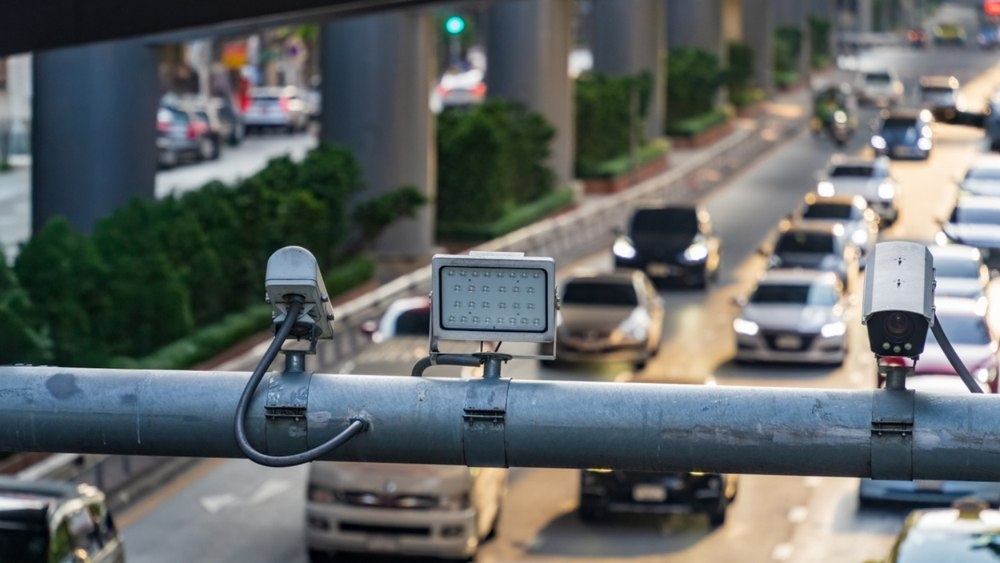
MAI Warns Against False 'Comprehensive Traffic Monitoring' Claims Circulating Online
Translated from Romanian, summarized and contextualized by DistantNews.
TLDR
- The Romanian Ministry of Internal Affairs (MAI) has debunked circulating online claims of a comprehensive traffic monitoring system set to begin on April 17, 2026.
- Officials state these messages are false and designed to create panic and distrust in state institutions.
- The MAI urges citizens to verify information sources and notes that official communications regarding traffic safety come only through their channels.
The Romanian Ministry of Internal Affairs (MAI) has issued a strong warning against a wave of disinformation spreading online and via messaging platforms, concerning an alleged "comprehensive traffic monitoring" system. The false reports claim this system would be implemented nationwide starting April 17, 2026, aiming to sow panic and erode public trust in governmental institutions.
This message is FALSE!
"This message is FALSE!" the MAI declared in a statement on its Facebook page, emphasizing that such information is deliberately fabricated to generate unwarranted fear. The ministry clarified that official communications regarding road safety and monitoring systems are exclusively disseminated through the official channels of the MAI and the Romanian Police. They cautioned citizens against blindly sharing unverified information, highlighting that these false narratives often mix fictional project names with fragments of reality to appear credible.
This is not the first instance of such misinformation. In December 2025, the MAI addressed similar rumors about a supposed total control over citizens' mobility. While acknowledging the existence of real monitoring systems, like the "E-Sigur" project aimed at enhancing road safety through digital ticketing based on traffic camera footage, the ministry stressed that these operate within a clear legal framework. Cameras are only integrated after homologation and testing to prevent errors that could invalidate sanctions.
Such texts are created to generate panic and distrust in state institutions.
From the perspective of Adevărul, this incident underscores a worrying trend of deliberate disinformation campaigns targeting Romanian society. While the MAI's swift debunking is commendable, the persistence of such rumors highlights a vulnerability in public awareness and a potential for malicious actors to exploit anxieties. The framing of the MAI's response, emphasizing the deliberate intent to generate panic and distrust, is crucial. It suggests a coordinated effort to destabilize public confidence, rather than a mere misunderstanding. Adevărul, like many Romanian publications, views this through the lens of national security and institutional integrity, emphasizing the need for media literacy and vigilance against foreign or domestic attempts to undermine state institutions.
Official information regarding road safety and monitoring systems is communicated EXCLUSIVELY through the official channels of the MAI and the Romanian Police.
DistantNews Editorial
Originally published by Adevărul in Romanian. Translated, summarized, and contextualized by our editorial team with added local perspective. Read our editorial standards.
More Stories


From Our Blog

What Gets Lost (and Found) When News Is Translated

The Critical Role of Diaspora Media in Global News

What Travellers Should Know About Countries with Restricted Press

A Digital Nomad's Guide to Following Local News

How the Same Story Looks Different in Different Countries
