


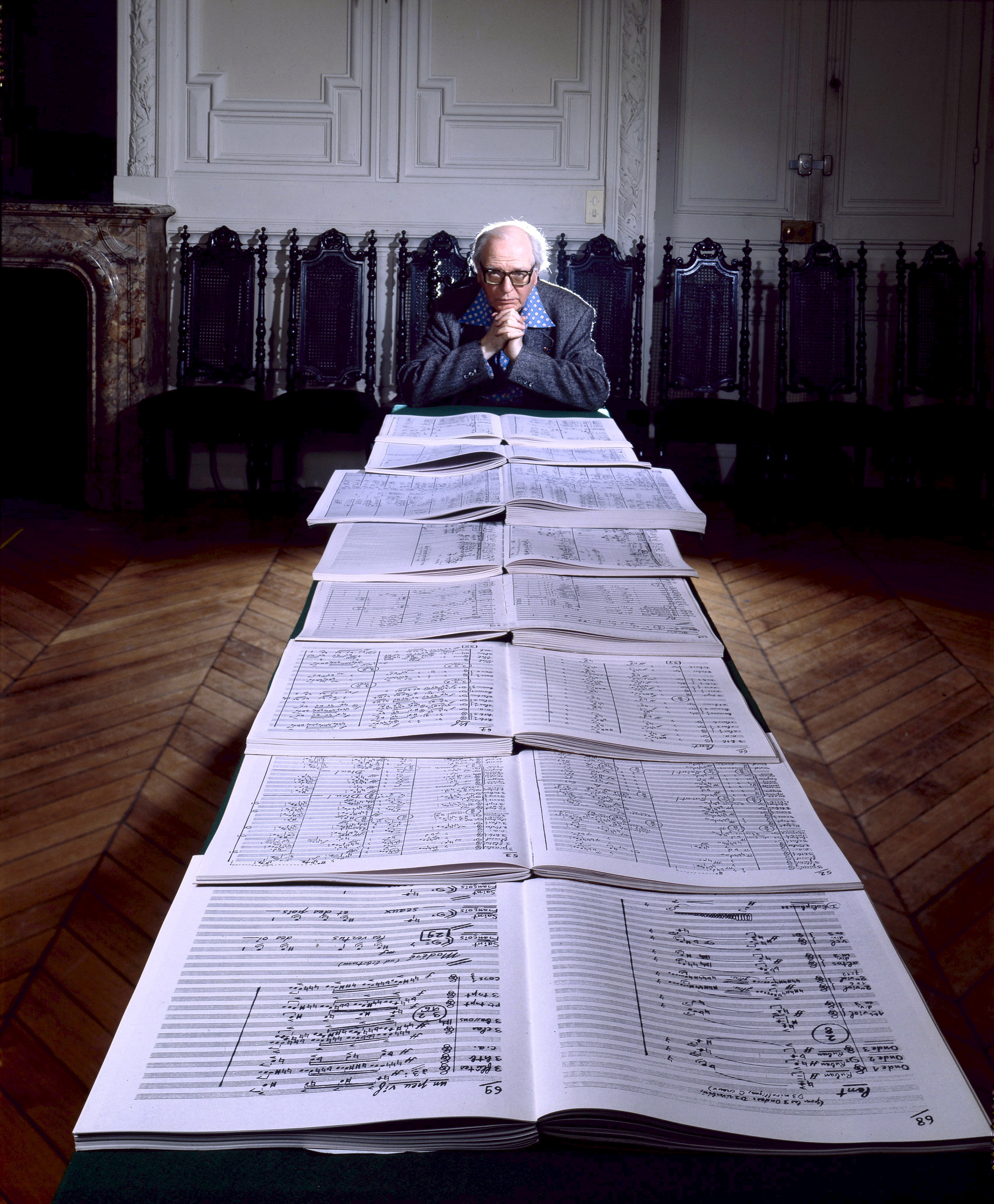
The birds sing the fifth gospel: Messiaen's opera on St. Francis
Translated from German, summarized and contextualized by DistantNews.
At a glance
In-depth
Sources not specified
Context piece
- The legend of St. Francis of Assisi preaching to birds is a central theme in Olivier Messiaen's opera "Saint François d’Assise."
- The opera features extensive musical imitations of bird songs, particularly by woodwinds and xylophone, which are considered the most important "characters."
- Conductor Maxime Pascal highlights the improvisational nature of the bird song sections and Messiaen's use of bird calls from New Caledonia.
The legend of Saint Francis of Assisi, who famously preached to birds, finds a powerful echo in Olivier Messiaen's monumental opera "Saint François d’Assise." This opera, first performed in Paris in 1983, is considered the 20th-century composer's magnum opus and places a significant emphasis on the natural world, particularly avian life.
The most important character in the opera are the birds.
In Messiaen's work, the "preaching to birds" scene is brought to life through intricate musical imitations. The composer utilizes woodwinds, xylophones, and other instruments to replicate a vast array of bird songs, creating a soundscape that is both complex and immersive. Conductor Maxime Pascal, who is preparing a new production of the opera with the Vienna Philharmonic, notes that the duration of these instrumental bird imitations often exceeds that of the vocal parts, underscoring their importance.
Pascal describes the bird song sections as having a wonderfully improvisational quality. The musical lines for the birds are composed to be metrically free, often unfolding independently of the orchestra's main tempo and rhythm. This requires the conductor to "awaken" these musical birds, which then seem to take flight on their own, disregarding the conductor's beat. This element adds a unique layer of spontaneity and wonder to the performance.
If you add up the times when the orchestra, especially woodwinds and xylophone, imitates the most diverse bird songs, you get a longer duration than for the vocal parts.
Furthermore, Messiaen, known for his deep fascination with birds and his meticulous study of their songs, incorporates specific species into the opera. He famously studied bird calls in New Caledonia, an island group in the South Pacific, and integrates these exotic sounds into the musical fabric. Saint Francis himself names these birds, which Messiaen then translates into music, connecting the earthly saint with the composer's own global sonic explorations. The opera thus becomes a testament to both spiritual devotion and the profound beauty of the natural world.
A wonderful experience also for the musicians, to bring in this improvisational element.
DistantNews Editorial
Originally published by Die Presse in German. Translated, summarized, and contextualized by our editorial team with added local perspective. Read our editorial standards.
More Stories



From Our Blog

What Gets Lost (and Found) When News Is Translated

The Critical Role of Diaspora Media in Global News

What Travellers Should Know About Countries with Restricted Press

A Digital Nomad's Guide to Following Local News

How the Same Story Looks Different in Different Countries
