


The case for pricing climate risks now
Summarized by DistantNews. Read the original for the full story.
At a glance
News
Named sources
Context piece
- Nepal's upcoming $14 billion budget overlooks the significant annual cost of climate inaction, estimated at $18 million and projected to reach 10% of GDP by 2100 without intervention.
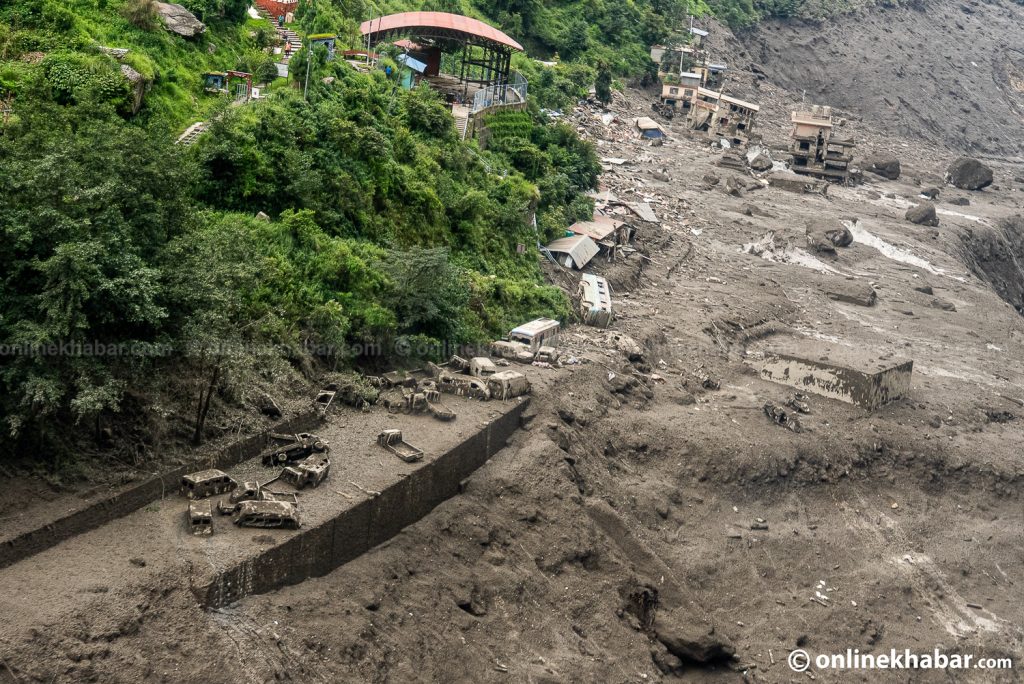
- Past infrastructure failures, like the Melamchi flood disaster costing $641 million, highlight the economic consequences of not incorporating climate resilience into project designs.
- Despite Nepal's pioneering climate expenditure tagging system, low budget utilization and a declining share of impactful climate spending indicate a gap between on-paper commitments and actual risk mitigation.
As Nepal prepares its national budget, a critical oversight persists: the failure to seriously debate and budget for the escalating costs of climate inaction. The Kathmandu Post has repeatedly highlighted the devastating economic toll of climate-induced disasters, with recent analyses showing average annual losses of $18 million, a figure that could balloon to nearly 10% of our GDP by the century's end if we continue on this path. Our national budget must reflect the reality of climate change, moving beyond mere rebuilding to proactive growth.
The Melamchi flood disaster serves as a stark, costly lesson. The $641 million in losses, far exceeding the project's construction cost, stemmed from infrastructure designs that failed to account for climate risks. This preventable tragedy underscores a fundamental flaw in our planning: we are not adequately pricing climate resilience into our development projects. International experience, such as the World Bank's findings, suggests that climate-proofing infrastructure adds less than 1% to costs while saving significantly more in avoided losses. For a nation where 80% of the population faces climate hazards, this is not an expense but a vital investment.
Nepal's innovative climate expenditure tagging system, launched in FY 2012-13, has seen climate-related budget allocations grow impressively on paper, now nearing half of the federal budget. However, this success is largely symbolic. The critical issue is not the tagging but the spending and, more importantly, the impact. The declining share of the budget directly linked to climate outcomes, even as floods ravage our infrastructure, reveals a disconnect. We are labeling more funds as climate-related without effectively addressing the risks. This disconnect between allocation and effective utilization is a critical challenge that must be confronted in the upcoming budget to ensure Nepal transitions from a cycle of disaster recovery to sustainable development.
About this summary
Originally published by Kathmandu Post. Summarized and contextualized automatically by DistantNews, with a note on how the source frames the story. Not individually reviewed before publishing. How this works.
More Stories


From Our Blog

News in Translation: What Gets Lost, and How We Keep the Framing

Diaspora Media: How Communities Abroad Follow Home

Traveling Where the Press Is Not Free: How to Read the News There

The Digital Nomad's Guide to Local News

The Same Story, Different Countries: How Coverage Changes at the Border
