


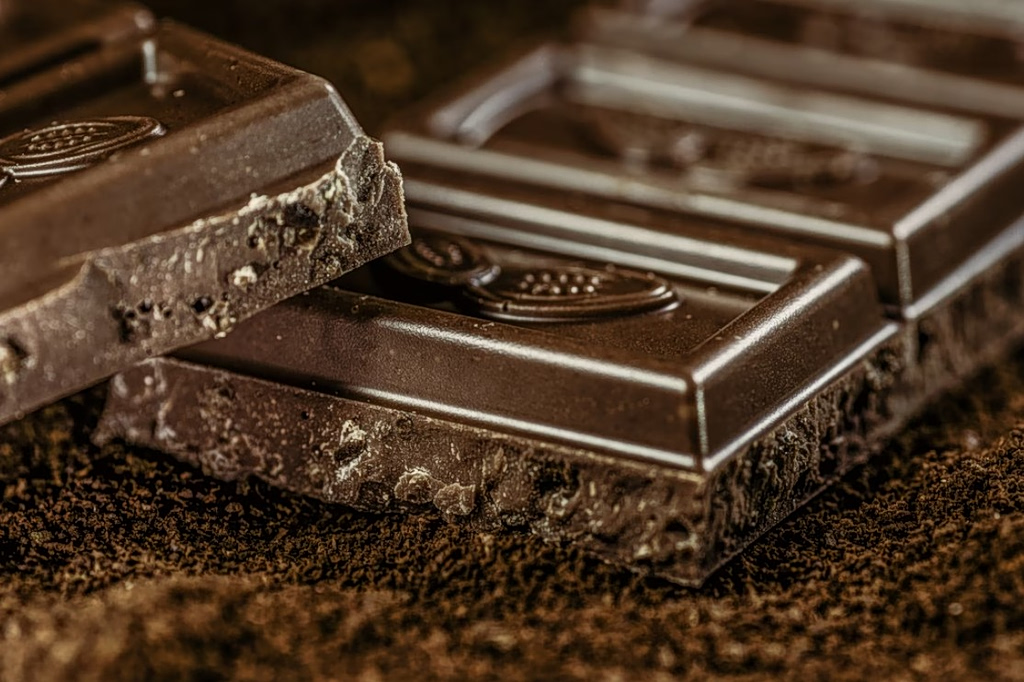
The chocolate that doesn't melt in the heat: Techniques science is testing
Translated from Greek, summarized and contextualized by DistantNews.
At a glance
In-depth
Sources not specified
Context piece
- Scientists and food industry experts are developing heat-resistant chocolate that maintains its taste and texture in high temperatures.
- Techniques involve modifying the microstructure of sugar and the crystallization of cocoa butter.
- The goal is to create chocolate that remains solid at temperatures between 38 to 45°C, significantly higher than its normal melting point.
The challenge of keeping chocolate enjoyable during hot weather is prompting innovation in the food industry, with scientists and experts developing techniques to create heat-resistant chocolate. The primary goal is to preserve the beloved taste and texture of chocolate even when exposed to high temperatures, a significant hurdle given its natural properties.
Understanding the science behind chocolate production is key to these advancements. Chocolate originates from cacao beans, which undergo fermentation, drying, and roasting to develop their characteristic flavor. The beans are then ground into cocoa mass, from which cocoa butter and cocoa powder are separated through pressing. The final product's smooth texture is achieved through "conching," a process of heating and agitation that reduces moisture and allows cocoa butter to coat the solid particles. Tempering, a controlled heating and cooling process, ensures the cocoa butter crystallizes into its stable form (V), giving chocolate its gloss, snap, and a melting point around 34°C, close to human body temperature.
When cocoa butter crystallizes improperly, chocolate loses its sheen, develops an undesirable texture, and can exhibit "fat bloom", a white, fatty deposit. To combat heat-induced melting, researchers are focusing on modifying the chocolate's internal structure. One approach involves altering the sugar microstructure by adding small amounts of water or hydrophilic substances like glycerol or sorbitol. This causes some sugar crystals to dissolve and recrystallize, forming a more rigid three-dimensional network within the chocolate.
Further research explores manipulating cocoa butter crystallization and potentially incorporating alternative fats or emulsifiers. The aim is to create chocolate products that can withstand temperatures ranging from 38 to 45°C, with some experimental versions designed to endure even higher heat. This innovation promises to extend the enjoyment of chocolate beyond cooler climates and seasons, reducing spoilage and expanding its marketability.
DistantNews Editorial
Originally published by Ta Nea in Greek. Translated, summarized, and contextualized by our editorial team with added local perspective. Read our editorial standards.
More Stories



From Our Blog

What Gets Lost (and Found) When News Is Translated

The Critical Role of Diaspora Media in Global News

What Travellers Should Know About Countries with Restricted Press

A Digital Nomad's Guide to Following Local News

How the Same Story Looks Different in Different Countries
