



The Choice of 'Climate Crisis Public Deliberation': The National Assembly Must Not Turn Away [Why This Matters]
Translated from Korean, summarized and contextualized by DistantNews.
At a glance
Opinion
Sources not specified
Context piece
- A citizen representative reflects on participating in a public hearing on climate crisis response, initiated after a constitutional court ruling mandated revisions to the Carbon Neutrality Act.
- Despite the public hearing process where 80% of participants favored early emissions reductions, recent parliamentary decisions leaned towards a less ambitious 'range-based' reduction path.
- The author criticizes the National Assembly's inaction and tendency to delay, urging for swift implementation of 'early reduction' principles to address the urgent climate crisis.
A citizen representative shares her experience participating in a public hearing on climate crisis response, an initiative spurred by a constitutional court ruling in 2020 that found the Carbon Neutrality Act unconstitutional. The process, which involved citizens selected through surveys and recommendations, aimed to gather public opinion on crucial climate policies after the National Assembly's prolonged delay in revising the law.
During the hearing, participants engaged in extensive discussions and self-study, with nearly 80% concluding that 'early reduction' of emissions was essential for both future generations and the present. This conclusion was reached despite some initial concerns about the costs and the necessity of immediate action versus relying on future technological advancements.
However, the representative expresses deep disappointment with recent parliamentary decisions. The Climate Special Committee's legislative subcommittee opted for a 'range-based' reduction path, setting a lower bound of 53% and an upper bound of 61% for early reduction, a decision seen as undermining the consensus reached during the public hearing. This outcome suggests that the National Assembly may be prioritizing less ambitious measures over the clear public mandate for more aggressive climate action.
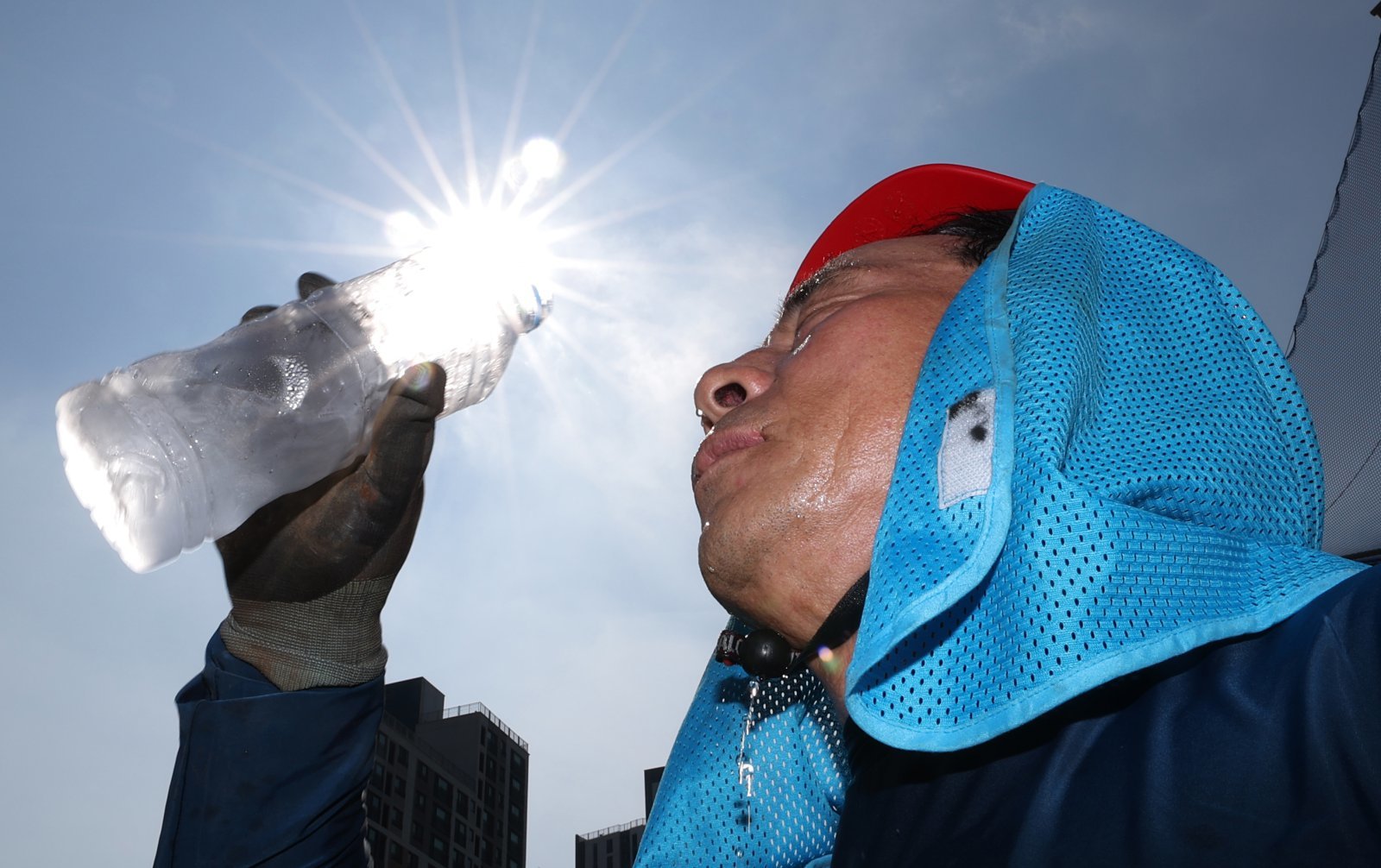
The author criticizes this decision as a failure to heed the "clear public will" and an indication of lingering self-interest and complacency regarding the climate crisis. She emphasizes that the climate crisis is not just a future problem or a past mistake but a present reality affecting everyone through extreme weather events. The solution, she argues, lies in the National Assembly decisively implementing the 'early reduction' principle, as advocated by the public consultation, and not shying away from the necessary legislative reforms.
DistantNews Editorial
Originally published by Hankyoreh in Korean. Translated, summarized, and contextualized by our editorial team with added local perspective. Read our editorial standards.
More Stories

From Our Blog

What Gets Lost (and Found) When News Is Translated

The Critical Role of Diaspora Media in Global News

What Travellers Should Know About Countries with Restricted Press

A Digital Nomad's Guide to Following Local News

How the Same Story Looks Different in Different Countries
