

The Colonists' Path to Freedom: How Independence Became a National Cause
Translated from German, summarized and contextualized by DistantNews.
At a glance
In-depth
Sources not specified
Context piece
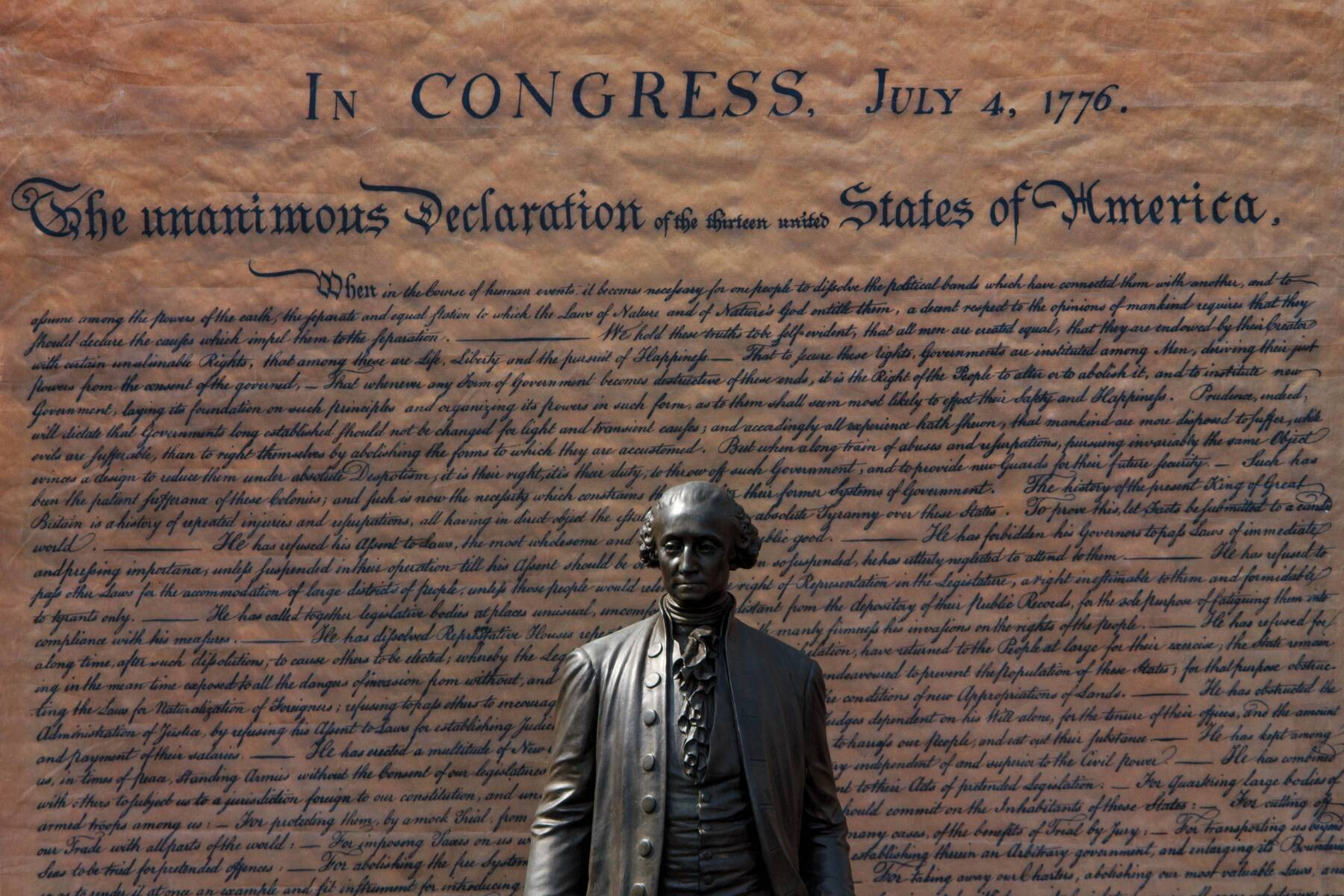
- The U.S. Declaration of Independence, published July 4, 1776, holds universal significance.
- A year prior to its proclamation, the concept of "independence" was rarely voiced, with most identifying as British.
- The article explores the political history of this pivotal document.
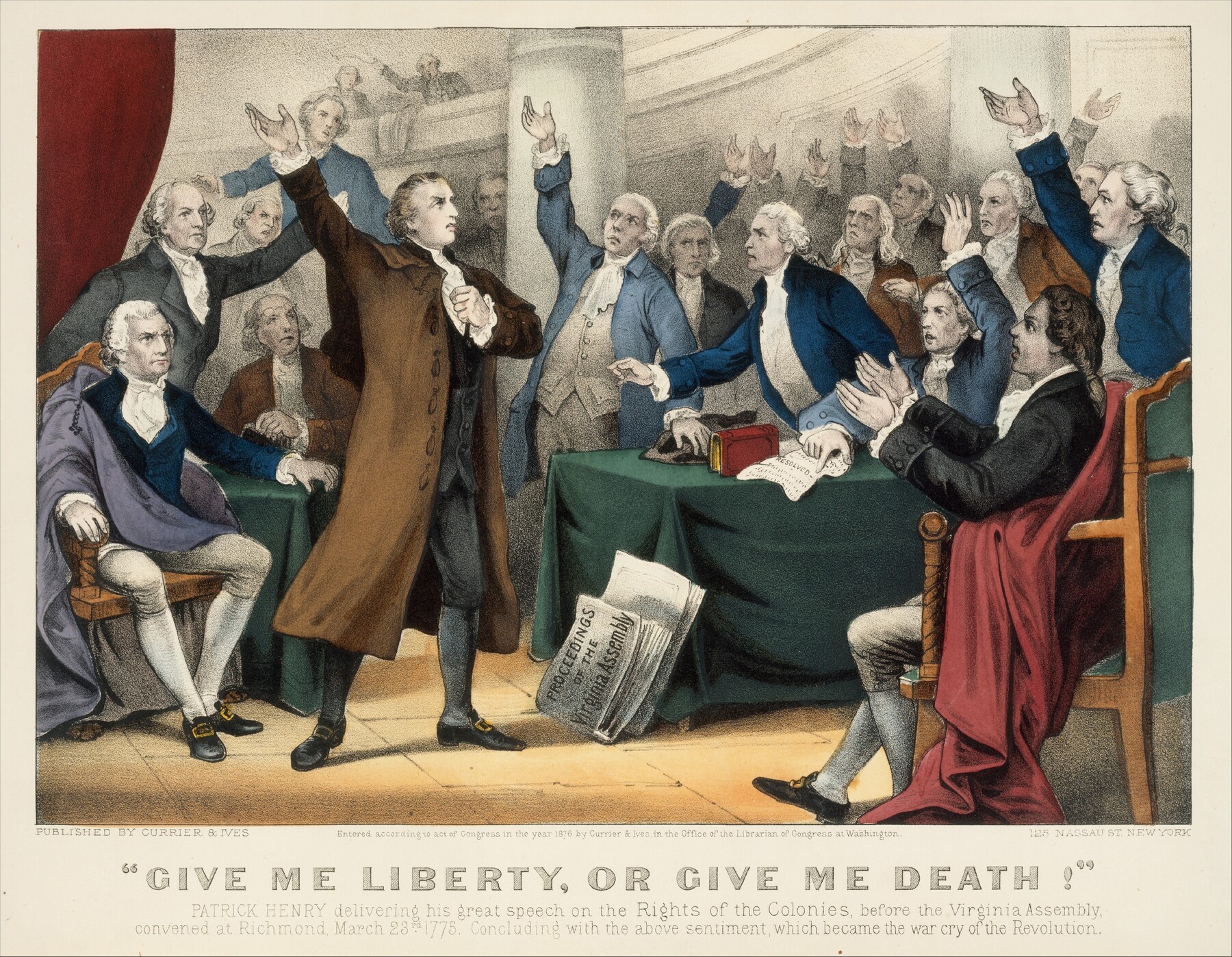
The U.S. Declaration of Independence, proclaimed on July 4, 1776, stands as a document of universal importance. Yet, just one year before its declaration, the idea of "independence" was seldom uttered, and the majority of colonists still considered themselves British. This historical account delves into the political evolution surrounding the creation of this foundational text. It highlights how a significant shift in identity and political aspiration occurred rapidly, transforming colonial sentiment.
The document's significance extends beyond its immediate historical context, influencing global movements for self-determination. Its powerful language and articulation of inherent rights resonated far beyond American shores. The article examines the context in which such a radical idea gained traction and was ultimately embraced by a populace previously tied to the British crown.
Understanding the Declaration requires appreciating the dramatic transformation in political thought and identity that took place in the years leading up to 1776. It was not a foregone conclusion but a product of evolving circumstances and persuasive articulation of grievances and aspirations. The piece sheds light on the journey from colonial subjects to independent nationhood, emphasizing the document's role in solidifying this monumental change.
DistantNews Editorial
Originally published by Die Presse in German. Translated, summarized, and contextualized by our editorial team with added local perspective. Read our editorial standards.
More Stories



From Our Blog

What Gets Lost (and Found) When News Is Translated

The Critical Role of Diaspora Media in Global News

What Travellers Should Know About Countries with Restricted Press

A Digital Nomad's Guide to Following Local News

How the Same Story Looks Different in Different Countries
