


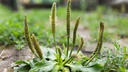
The Common Weed That Heals: Plantain's Power for Asthma and Body Cleansing
Translated from Croatian, summarized and contextualized by DistantNews.
At a glance
In-depth
Sources not specified
Context piece
- Plantain, often dismissed as a weed, is a powerful medicinal herb native to the region with a long history of use.
- It is particularly effective for respiratory issues like asthma and bronchitis due to its soothing, antispasmodic, and antibacterial properties.
- Plantain also acts as a potent body cleanser, aiding in toxin elimination, and can be used topically for wounds, insect bites, and burns, promoting rapid healing.
Often overlooked and trodden upon, the humble plantain (known locally as trputac or bokvica) is far more than a common weed; it is one of the most potent medicinal plants in the region with a rich history of application.
Its remarkable resilience allows it to thrive in compacted soils along paths and in lawns where other plants struggle. This ubiquity led North American indigenous peoples to call it the "white man's footprint," observing its spread wherever European settlers traveled. Two common varieties, broadleaf and narrowleaf, both boast extraordinary medicinal properties documented in traditional medicine.
The plant's most significant strength lies in its benefits for the respiratory system, earning it the title "lung plant." It offers relief for asthma, bronchitis, and both dry and productive coughs. Plantain works through a triple action: its mucilage content forms a protective layer on irritated mucous membranes, soothing inflammation and the urge to cough. It also exhibits antispasmodic effects, relaxing bronchial spasms that cause breathing difficulties in asthma sufferers. Furthermore, its immunostimulant and antibacterial properties help the body combat infections more effectively. Clinical studies have even confirmed that plantain syrup significantly alleviates symptoms of acute bronchitis.
Beyond its role as a lung guardian, plantain is a powerful agent for cleansing the entire body. It is recognized for "cleaning the blood" by promoting the elimination of toxins and metabolic waste. Acting as a mild diuretic, it assists the kidneys in excreting harmful substances. Its medicinal benefits extend to the digestive system, where its unique combination of soothing mucilage and astringent tannins helps repair mucous membranes affected by gastritis, colitis, leaky gut syndrome, and ulcers. It also benefits the urinary system, aiding in bladder inflammation.
Traditionally, fresh, chewed plantain leaves served as a natural "first aid plaster." Applied directly to the skin, it provided relief for insect stings, nettle burns, minor wounds, and abrasions. The poultice cools, calms pain, and its antimicrobial action prevents infection. Plantain contains allantoin, a compound that promotes cell regeneration and speeds tissue healing. Its astringent qualities help stop bleeding and are excellent for drawing out splinters or small fragments from the skin. The plant is identifiable by its characteristic parallel veins running the length of the leaf, leading to its local name, "seven veins."
DistantNews Editorial
Originally published by Večernji List in Croatian. Translated, summarized, and contextualized by our editorial team with added local perspective. Read our editorial standards.
More Stories



From Our Blog

What Gets Lost (and Found) When News Is Translated

The Critical Role of Diaspora Media in Global News

What Travellers Should Know About Countries with Restricted Press

A Digital Nomad's Guide to Following Local News

How the Same Story Looks Different in Different Countries
