


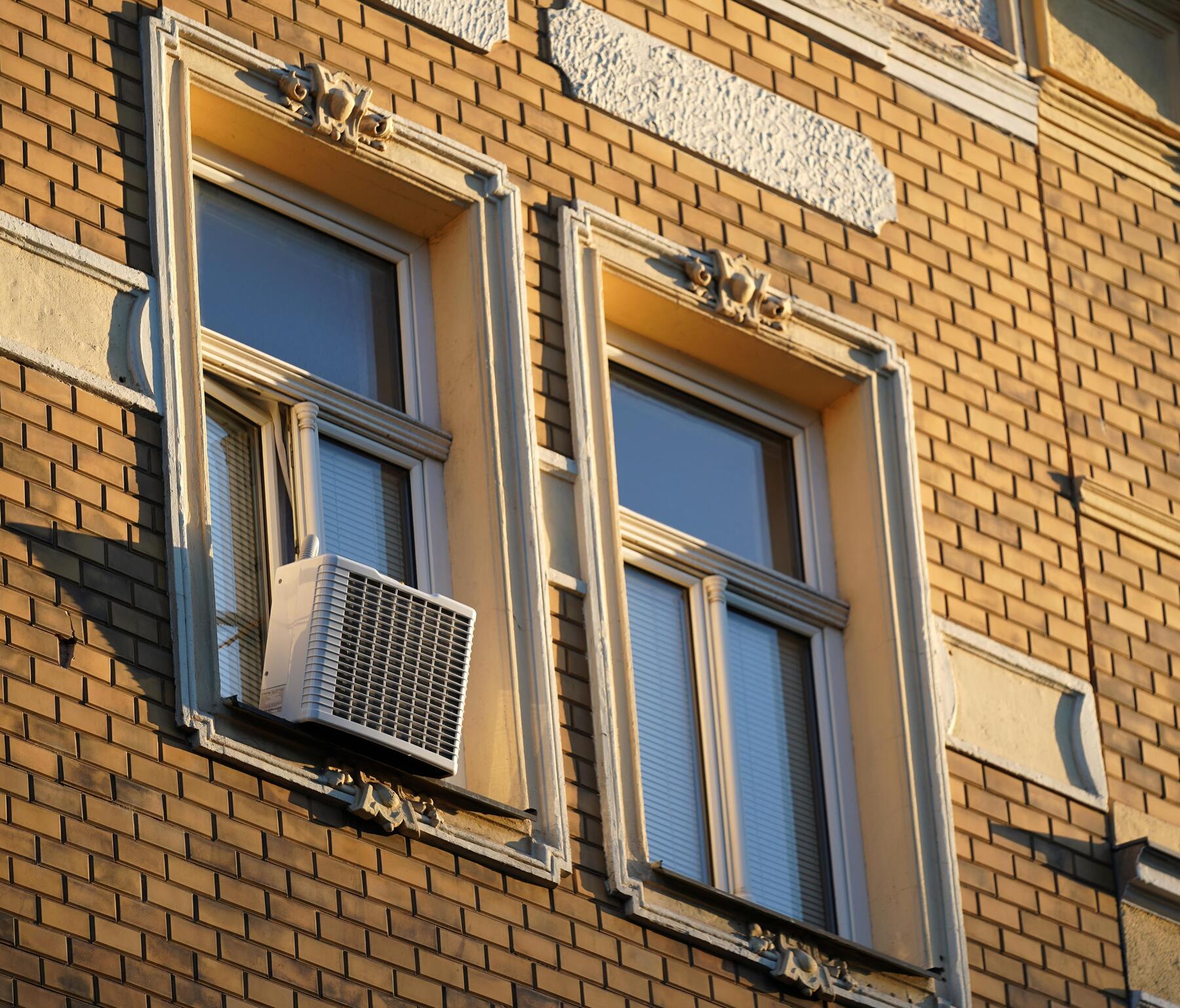
The Coolest Continent is the World Champion of Heat Deaths
Translated from German, summarized and contextualized by DistantNews.
At a glance
Analysis
Sources not specified
Context piece
- Europe is ill-prepared for heatwaves, despite ample advice on how to cope, often neglecting the effectiveness of air conditioning.
- While some advocate for traditional methods like siestas and staying in the shade, the article highlights the life-saving impact of air conditioning, citing U.S. data showing a significant drop in heat-related deaths after its widespread adoption.
- European countries often resist air conditioning due to energy concerns and perceived environmental guilt, leading to potentially fatal consequences, as evidenced by higher heatwave mortality rates compared to regions with widespread AC use.
- The article criticizes the political and ideological opposition to air conditioning, contrasting it with the practical benefits demonstrated in places like Texas, where AC use has mitigated the impact of extreme heat.
Europe faces the recurring threat of extreme heatwaves with a persistent lack of preparedness, often overlooking a simple yet highly effective solution: air conditioning. Despite widespread advice on staying cool, such as seeking shade and drinking more fluids, the continent largely shies away from widespread AC adoption, viewing it as a luxury or even an environmental sin.
The risk of dying on extremely hot days is then hardly higher than on other days.
This reluctance stands in stark contrast to the United States, where U.S. economist Alan Barreca's research demonstrates a dramatic reduction in heat-related mortality over the 20th century, directly correlating with the increasing prevalence of air conditioning. In regions like Texas, where temperatures regularly exceed 40 degrees Celsius, the risk of death on extremely hot days is minimal due to widespread AC use. European cities like Paris, Rome, and Madrid, however, experience significantly higher mortality rates during heatwaves.
The article points to a cultural and political aversion to air conditioning in Europe. Some environmental groups, particularly those aligned with Green ideologies, view AC as a symbol of excess and a contributor to climate change, suggesting that people should endure the heat as a form of penance. This perspective is further complicated by political debates, with air conditioning sometimes being labeled as "right-wing" because it alleviates problems that certain political factions might prefer to emphasize for public discourse.
In Paris, Rome or Madrid, it is many times higher.
This resistance has tangible, life-threatening consequences. While European nations may opt to close schools during heatwaves or restrict cooling in public buildings, the article argues that this approach is "backward" and deadly. The author criticizes the notion that widespread AC use exacerbates global warming, suggesting that the opposite is true: regions with high AC penetration, like Texas, experience less extreme heat impacts precisely because of this technology. The failure to embrace cooling solutions, the article concludes, leads to a significantly higher death toll across Europe during heatwaves.
The calculation for this backward attitude is deadly: Europe records, in relation to...
DistantNews Editorial
Originally published by Die Presse in German. Translated, summarized, and contextualized by our editorial team with added local perspective. Read our editorial standards.
More Stories


From Our Blog

What Gets Lost (and Found) When News Is Translated

The Critical Role of Diaspora Media in Global News

What Travellers Should Know About Countries with Restricted Press

A Digital Nomad's Guide to Following Local News

How the Same Story Looks Different in Different Countries
