

The democracy we want to live
Translated from Spanish, summarized and contextualized by DistantNews.
At a glance
Analysis
Sources not specified
Context piece
- Guatemala's 2023 elections and transition demonstrated democratic resilience amid global deterioration, serving as a regional reference point.
- Despite Latin America being the most democratic developing region, over six in 10 people are dissatisfied with their democracy, with Guatemala showing low satisfaction rates.
- Organized crime distorts political competition, while AI and social media reconfigure public discourse, posing challenges to equitable and transparent political competition.
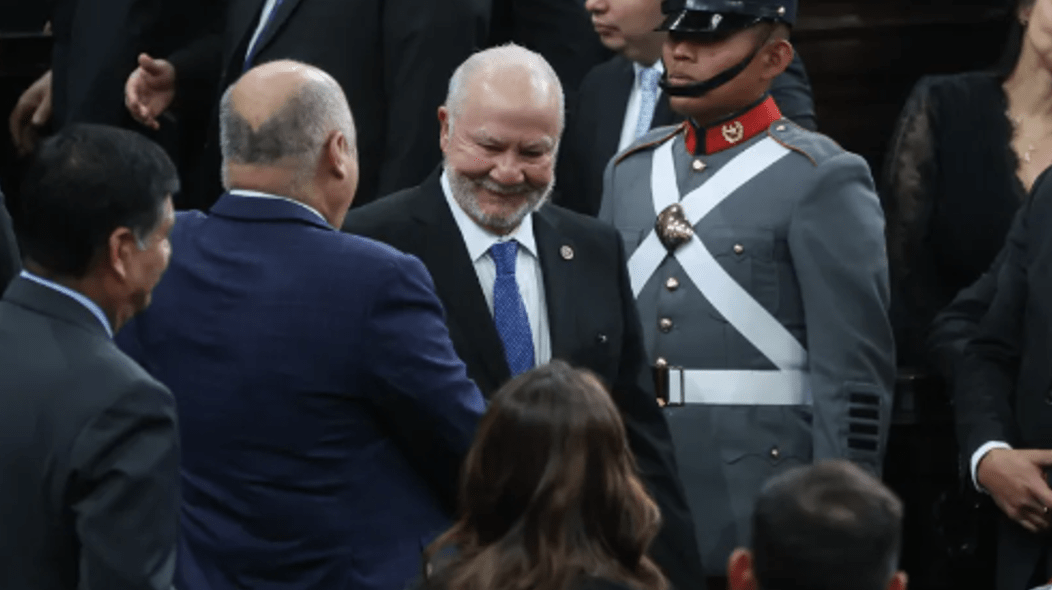
Guatemala's recent democratic experience, particularly the 2023 elections and subsequent transition, offers a significant signal for the region, demonstrating the capacity of democratic institutions to withstand pressure.
This resilience is particularly noteworthy in a global context marked by a subtle but pervasive democratic decline. The UNDP's 2026 report on democracy and development highlights a stark contrast in Latin America and the Caribbean: while it remains the most democratic developing region, with over 80% of its population living under elected governments, more than 60% express dissatisfaction with how their democracies function. In Guatemala, this dissatisfaction is pronounced, with only 28% satisfied with democracy according to Latinobarómetro 2025, and 65% dissatisfied, surpassing the regional average. Furthermore, a majority believes the country is governed for the benefit of a select few.
The report identifies several pressures exacerbating these democratic challenges. Latin America and the Caribbean have become the world's most polarized region. The rise of artificial intelligence and social media is fundamentally altering public deliberation, changing who speaks, how information spreads, and how opinions are formed. The pervasive influence of organized crime not only threatens security but also distorts political competition. High levels of remittances as a percentage of GDP and evolving human mobility patterns are also reshaping identities and inclusion dynamics within the political sphere.
These factors often lead to a narrowing of spaces for debating differences and resolving conflicts. The critical challenge, therefore, is to ensure that political competition occurs under conditions of equity, transparency, and trust. The UNDP report, however, is not solely a catalog of problems; it serves as an invitation to rethink the kind of democracy citizens wish to build and inhabit. Its central premise is the inseparable link between democracy, human development, and the state – a triangle where weakness in one component inevitably weakens the others.
A democracy that fails to deliver tangible results loses legitimacy, and a development model that excludes the majority is unsustainable. For Guatemala, this translates into concrete implications, extending from second-degree elections to the commemoration of the 30th anniversary of the peace accords. The democracy worth defending is not merely one that organizes elections; it is one that citizens experience through functioning schools, accessible justice, and equitable access to essential services.
DistantNews Editorial
Originally published by Prensa Libre in Spanish. Translated, summarized, and contextualized by our editorial team with added local perspective. Read our editorial standards.
More Stories
From Our Blog

What Gets Lost (and Found) When News Is Translated

The Critical Role of Diaspora Media in Global News

What Travellers Should Know About Countries with Restricted Press

A Digital Nomad's Guide to Following Local News

How the Same Story Looks Different in Different Countries
