

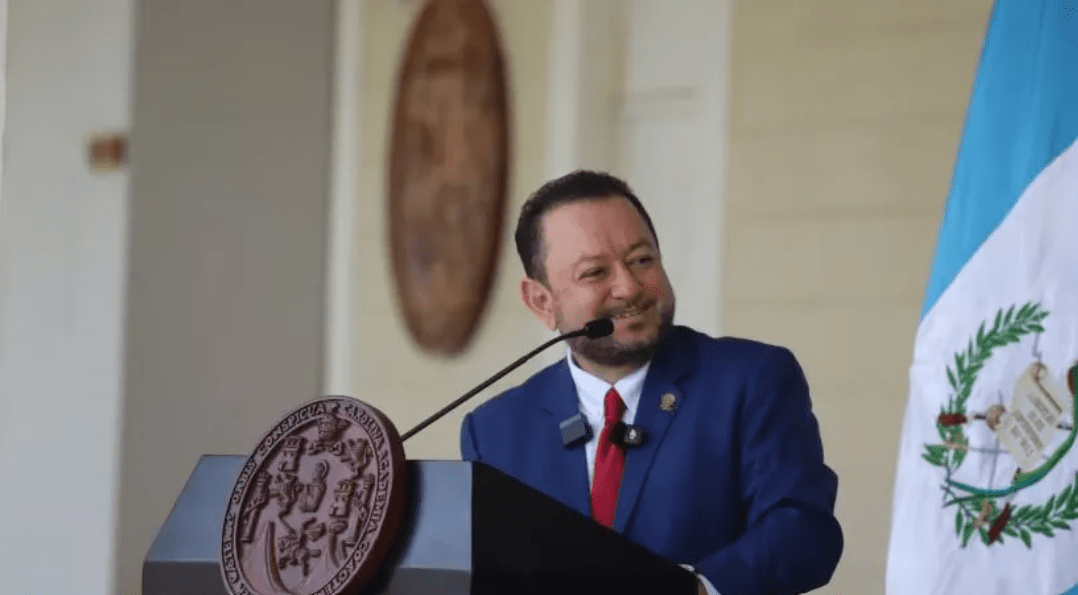

Dissolution of Guatemala's Constitutional Court Debated Amid Controversial Rulings
Translated from Spanish, summarized and contextualized by DistantNews.
At a glance
Analysis
Sources not specified
Context piece
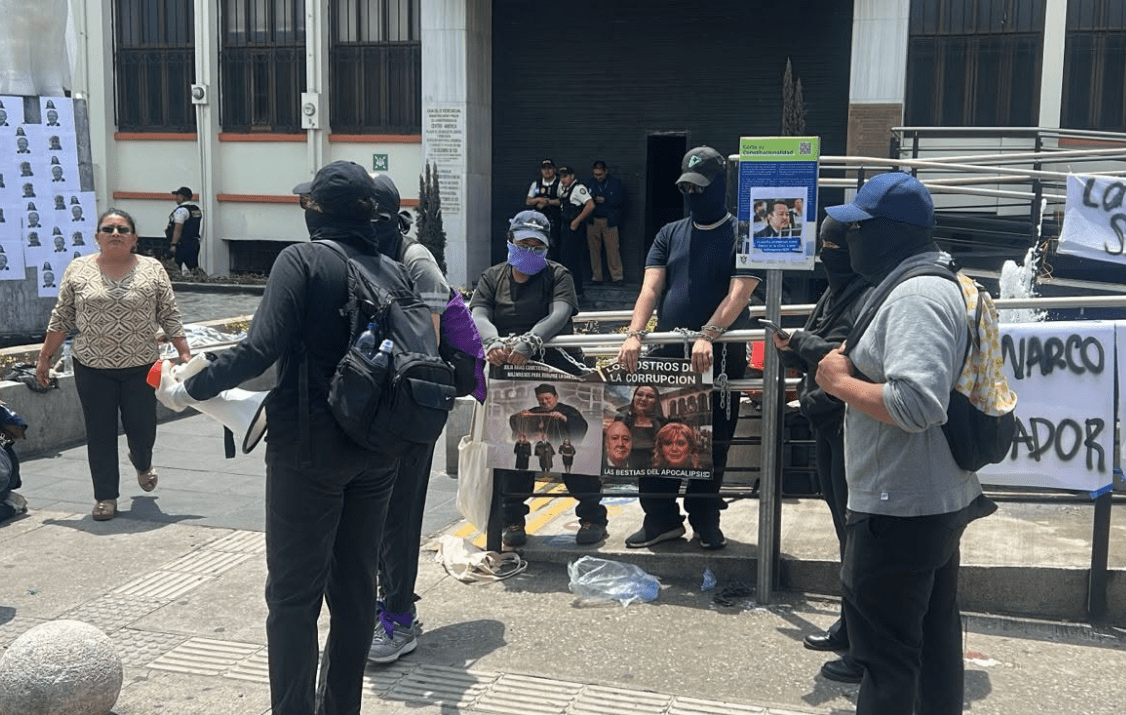
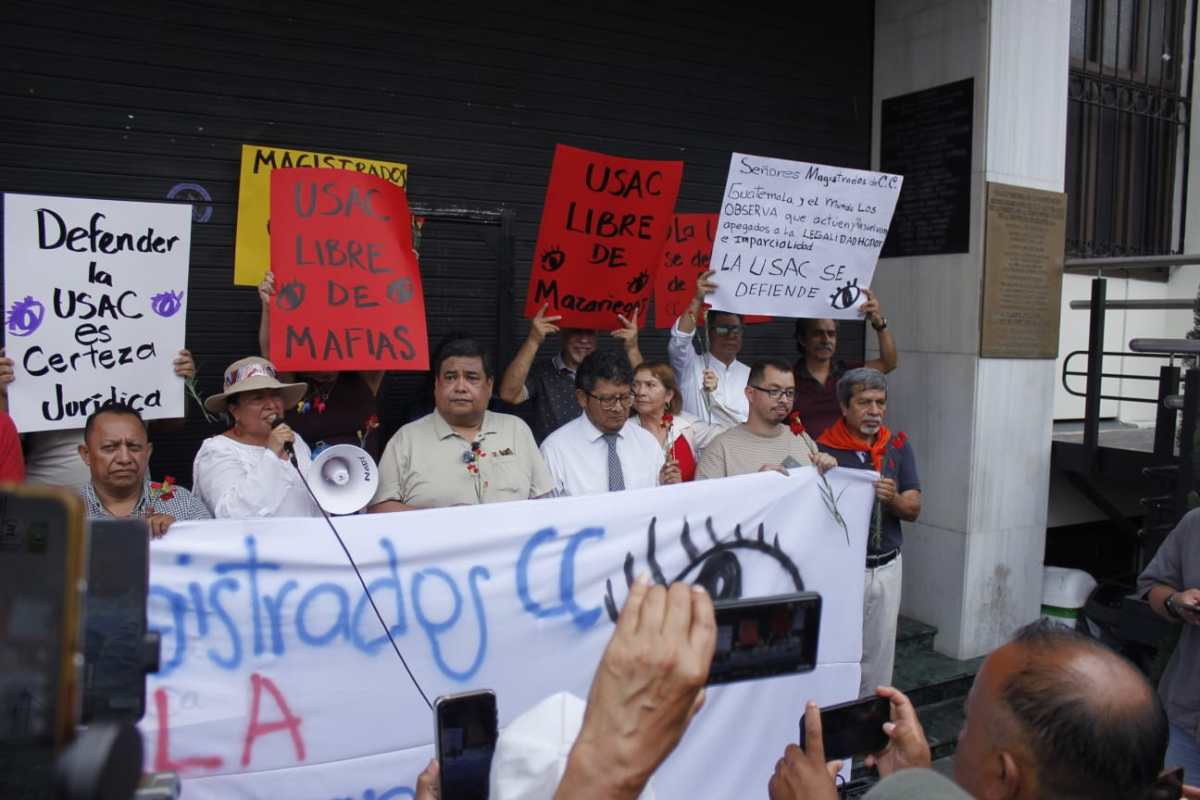
- A civic campaign is underway in Guatemala to dissolve the Constitutional Court (CC) due to controversial rulings by its 8th and 9th magistracies.
- The CC's role is to defend constitutionality and protect human rights, ensuring public powers remain within constitutional limits.
- The article argues that the CC's power is not absolute and should not be used to impose political agendas or act as a supreme, unchecked authority.
A civic campaign in Guatemala is pushing for the dissolution of the Constitutional Court (CC), citing controversial decisions made by its 8th and 9th magistracies. The court, established to defend constitutionality and safeguard human rights, faces scrutiny over its adherence to legal and constitutional parameters.
The meritocratic selection and accountability of the CC magistrates should indeed be a reason for reflection and analysis.
The CC's fundamental duty is to ensure that public powers operate within the framework of the Constitution and to correct deviations. This includes upholding the rule of law, ensuring magistrates are competent, independent, and impartial, and holding them accountable for their actions, despite their immunity. The court's oath of fidelity to the Constitution mandates respect for its authentic meaning, prohibiting actions like fraud of law or prevarication – where a judge manipulates a norm or issues an arbitrary, unjust ruling.
The defense of constitutionality does not grant the CC the power to arrogate the common good or to establish itself as the supreme power of the State.
However, the article contends that the CC's authority to ensure constitutionality does not grant it the power to become a supreme state entity. It argues against the court assuming the role of enacting legal and administrative regulations, imposing political or ideological agendas, or dictating public policy. The CC should not be allowed to empty the Constitution of its true meaning or direct the legislative, executive, and judicial branches.
Therefore, constitutional control cannot be assumed as a capricious, abusive, totalitarian, and unchecked "suprapower" that arrogates the power to rewrite the Constitution, as well as to establish a government of infallible, untouchable judges with delusions of domination.
Ultimately, the author asserts that constitutional jurisdiction is vital in a state governed by the principle of constitutional supremacy. Yet, this power should not be wielded as an arbitrary, abusive, or totalitarian "suprapower" unaccountable to any oversight. The CC cannot be permitted to rewrite the Constitution or establish a government of infallible, untouchable judges with delusions of grandeur.
In my opinion, constitutional jurisdiction is fundamental in a state of law, governed by the principle of constitutional supremacy.
DistantNews Editorial
Originally published by Prensa Libre in Spanish. Translated, summarized, and contextualized by our editorial team with added local perspective. Read our editorial standards.
More Stories

From Our Blog

What Gets Lost (and Found) When News Is Translated

The Critical Role of Diaspora Media in Global News

What Travellers Should Know About Countries with Restricted Press

A Digital Nomad's Guide to Following Local News

How the Same Story Looks Different in Different Countries
