

The Economist warns South Korean investors are like 'gamblers' in a 'casino'
Translated from Korean, summarized and contextualized by DistantNews.
At a glance
News
Named sources
Context piece
- The Economist warned that South Korea's stock market resembles a casino due to aggressive retail investor leverage.
- The article highlights the rapid rise and fall of the KOSPI index, driven by AI enthusiasm for semiconductor giants like Samsung Electronics and SK Hynix.
- New regulations increasing the minimum deposit for leveraged ETFs aim to curb speculative trading, but experts believe it will be difficult to pull investors away from high-risk products.
The Economist has sounded an alarm over South Korea's volatile stock market, likening it to a "casino" due to the aggressive and speculative investment strategies of retail investors. The publication pointed to the KOSPI index's dramatic fluctuations, including a near tripling in early 2025 followed by a 25% drop since June, as evidence of this instability.
Korean investors have had quite the roller-coaster ride.
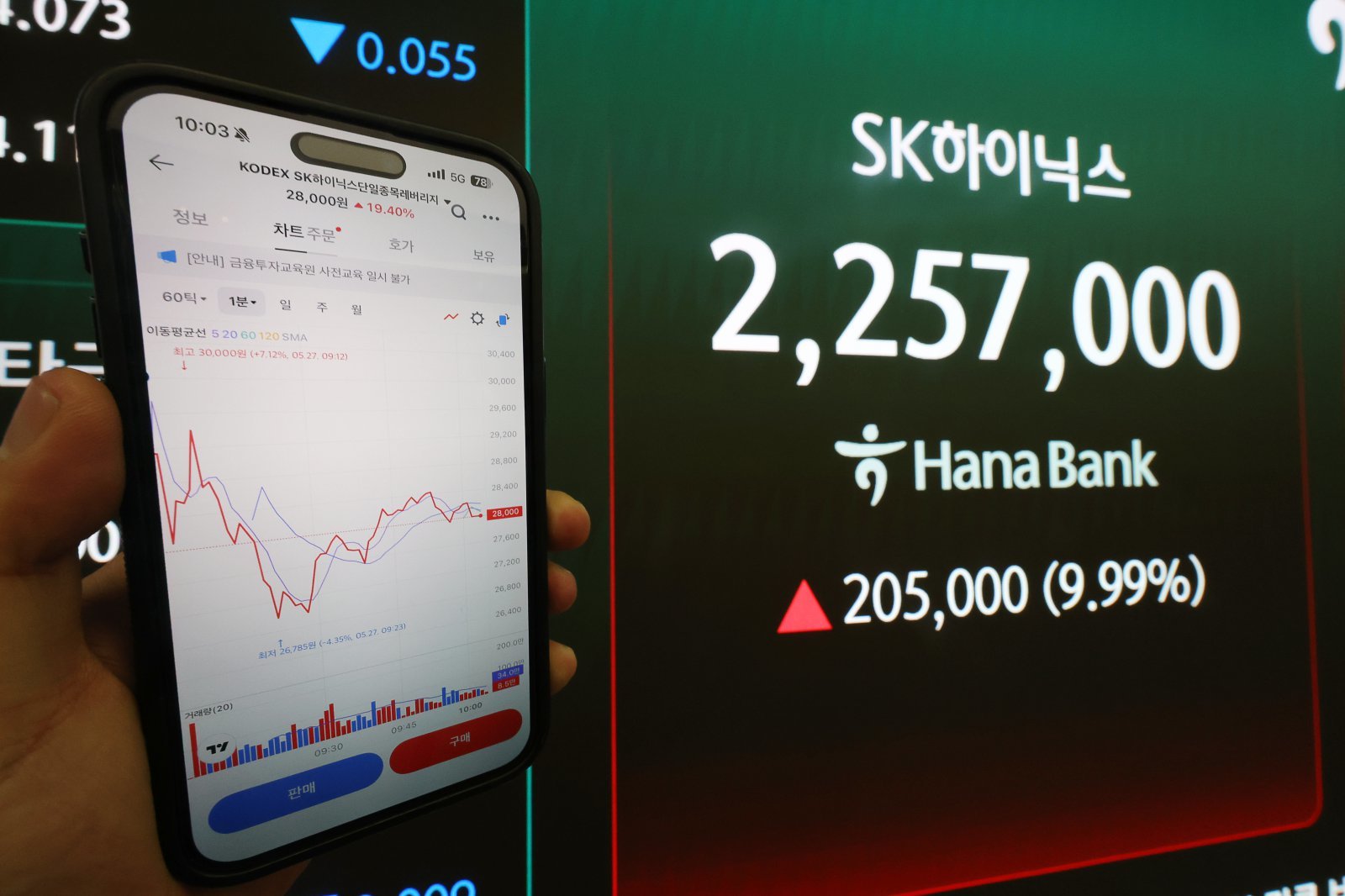
Fueled by the global artificial intelligence boom, investors have poured money into semiconductor leaders Samsung Electronics and SK Hynix, which supply essential memory chips for AI data centers. These two companies alone account for approximately $2 trillion in market capitalization, and at times, their stocks and related products have driven over 80% of the South Korean stock market's trading volume.
The Kospi index has nearly tripled since early 2025, but has fallen by about 25% since June.
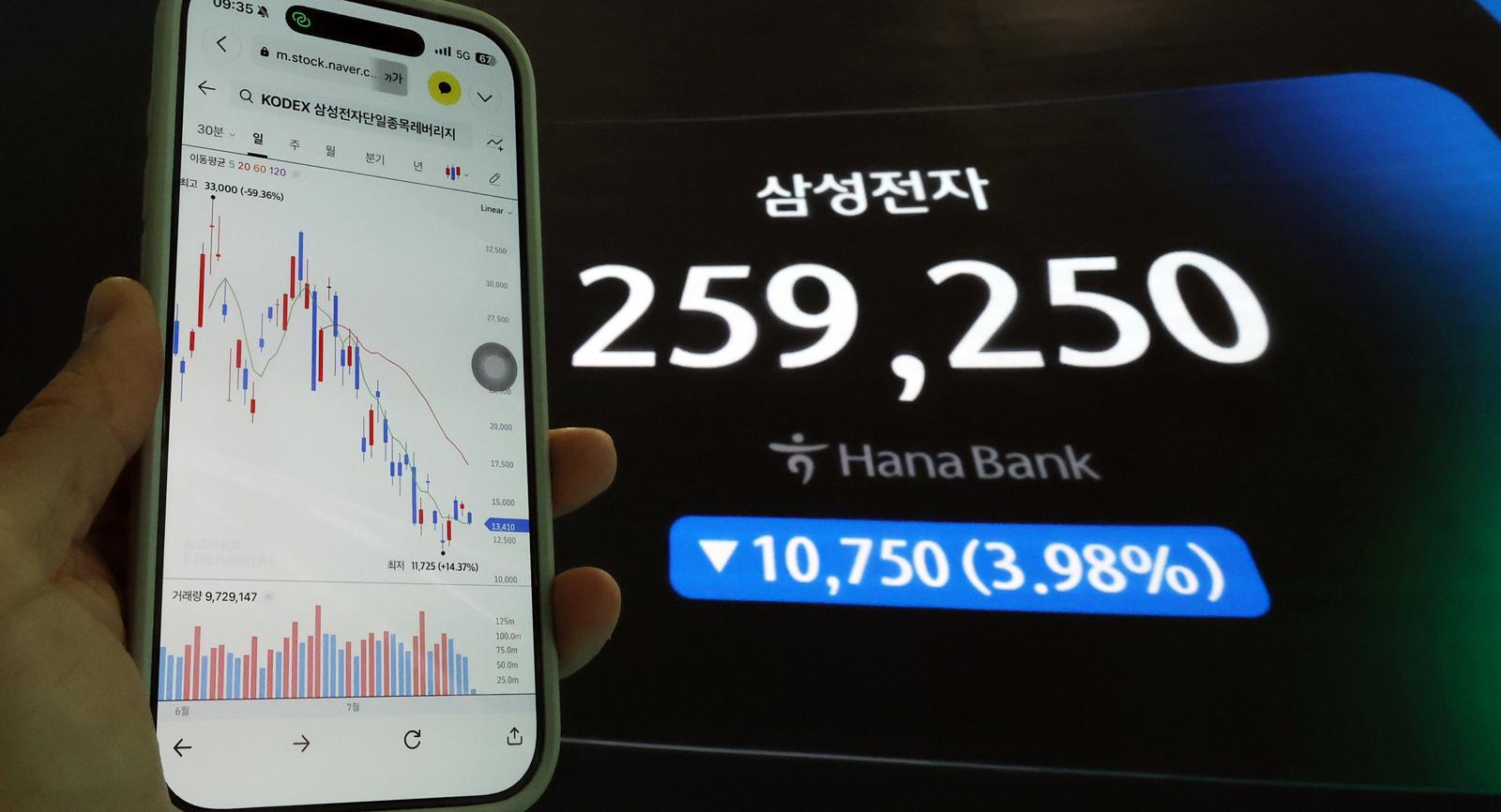
Despite the strong performance of these chipmakers, The Economist expressed concern over the amplified market volatility caused by retail investors' aggressive use of leveraged Exchange Traded Funds (ETFs). South Korean retail investors have invested roughly $10 billion in these leveraged ETFs this year alone. The publication specifically identified single-stock leveraged ETFs, which track the performance of a single company, as particularly risky due to their structure, which can magnify price swings and increase costs for investors in volatile markets.
The Korean semiconductor companies are performing surprisingly well, and it is understandable that people want to invest.
In response to these concerns, South Korea's Financial Services Commission announced an increase in the minimum deposit requirement for single-stock leveraged ETFs and Exchange Traded Notes (ETNs) from 10 million won to 30 million won, effective immediately. This measure, originally planned for August, was moved up to stabilize the market. However, The Economist suggests that even with these regulatory changes, it will be challenging to steer South Korean investors away from these high-risk, high-reward financial products.
South Korean retail investors have invested about $10 billion in leveraged exchange-traded funds (ETFs) this year alone.
DistantNews Editorial
Originally published by Dong-A Ilbo in Korean. Translated, summarized, and contextualized by our editorial team with added local perspective. Read our editorial standards.
More Stories

From Our Blog

What Gets Lost (and Found) When News Is Translated

The Critical Role of Diaspora Media in Global News

What Travellers Should Know About Countries with Restricted Press

A Digital Nomad's Guide to Following Local News

How the Same Story Looks Different in Different Countries
