


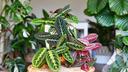
The exotic houseplant gaining popularity is said to challenge beginners. A guide to growing maranta
Translated from Croatian and summarized by DistantNews. Read the original for the full story.
At a glance
In-depth
Sources not specified
Context piece
- Maranta, also known as the prayer plant, opens and closes its distinctive leaves according to available light.
- The plant prefers filtered or distilled water, indirect light, warmth, and humidity, with careful watering to prevent root rot.
- Fertilizing is recommended every two to four weeks during spring and summer, while a grow light can help in darker rooms.
Maranta, also known as the prayer plant, can bring an exotic touch to a room without being as difficult to grow as its reputation suggests. The trailing plants belong to the Marantaceae family, alongside calatheas, and are known for opening and closing their leaves in response to changing light.
Water is one of the most important parts of their care. Marantas do not respond well to the minerals found in some tap water, so distilled or filtered water is recommended. They prefer warm, humid surroundings, with temperatures between 18 and 27°C. A room with plenty of natural light works well, but direct sunlight can damage the leaves. Indirect light is best, and bathrooms or kitchens may provide suitable humidity.
The plant should not be overwatered. Wait until the top layer of soil has dried, then soak the plant and allow it to absorb what it needs. Any excess water should be removed so it does not remain in the pot, where prolonged moisture can quickly cause the roots to rot.
During the active growing season in spring and summer, maranta can be fed every two to four weeks with liquid houseplant fertilizer. Diluting the fertilizer helps protect its sensitive roots from an excessive concentration of nutrients. Feeding should be reduced or stopped in autumn and winter, when growth generally slows.
For darker rooms, a grow light can provide the additional light needed for healthy growth. It should sit above the plant and remain on for about 10 to 12 hours a day, while staying far enough away to prevent heat from damaging the leaves. The plant also needs several hours of complete darkness at night, which helps trigger the closing of its leaves.
About this summary
Originally published by Večernji List in Croatian. Translated, summarized, and contextualized automatically by DistantNews, with a note on how the source frames the story. Not individually reviewed before publishing. How this works.
More Stories



From Our Blog

What Gets Lost (and Found) When News Is Translated

The Critical Role of Diaspora Media in Global News

What Travellers Should Know About Countries with Restricted Press

A Digital Nomad's Guide to Following Local News

How the Same Story Looks Different in Different Countries
