


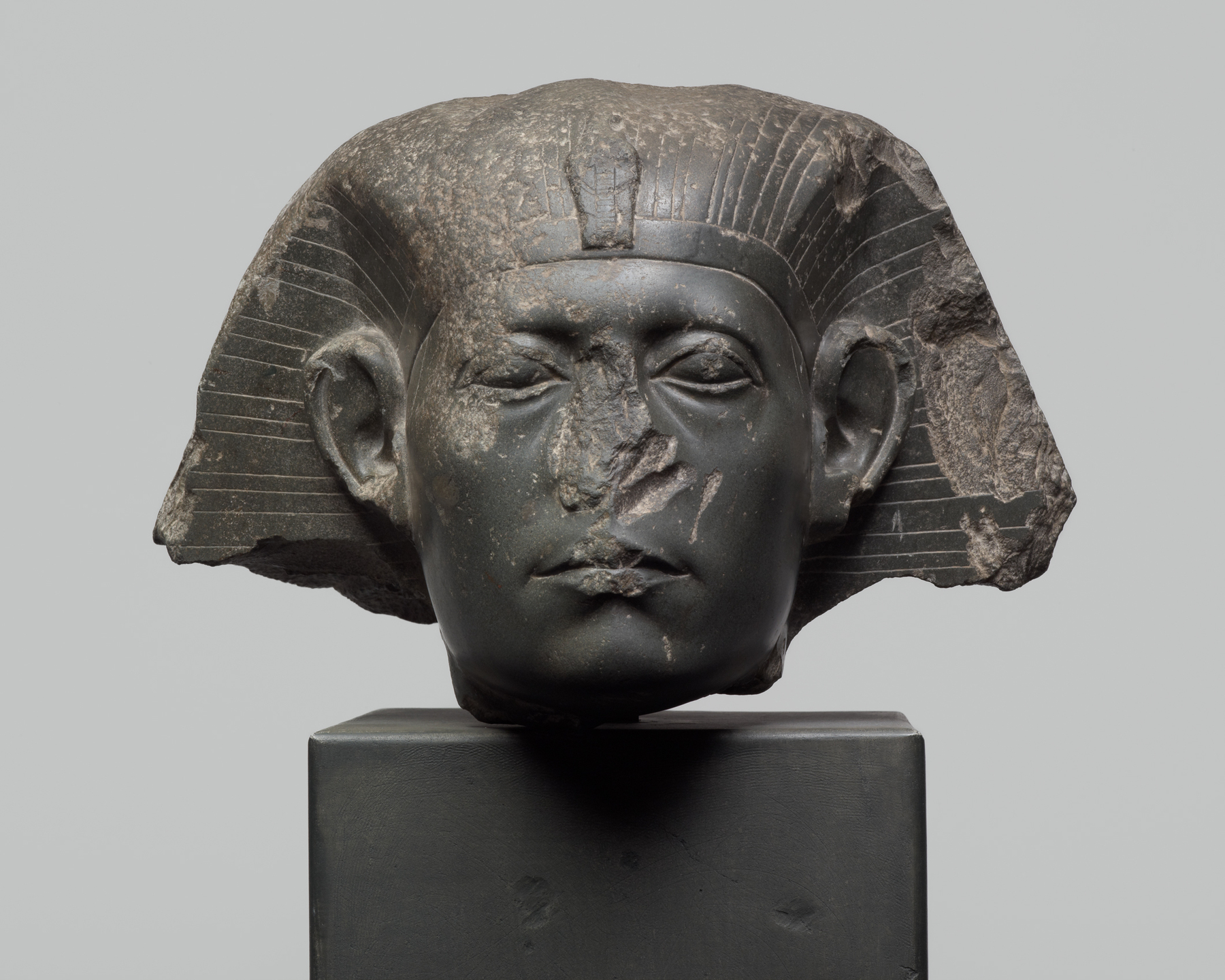
The Fascination of the Sphinx
Translated from German, summarized and contextualized by DistantNews.
At a glance
In-depth
Sources not specified
Context piece
- The fascination with Egyptian antiquities in Austria grew significantly after Napoleon's expedition in 1798-99, which included scholars.
- This period marked the birth of Egyptology, with systematic documentation of ancient Egyptian sites.
- Significant collections were formed through purchases, donations, and the efforts of diplomats and consuls, eventually finding a home in the Kunsthistorisches Museum.
Austria's engagement with ancient Egyptian artifacts gained momentum following Napoleon's expedition to Egypt between 1798 and 1799. This military campaign was accompanied by a contingent of scholars who began the rigorous documentation of Egypt's temples and tombs, effectively giving birth to the scientific discipline of Egyptology. Initially, Austria faced its own political turmoil, including wars with France and the occupation of Vienna, which saw some Egyptian art objects become spoils of war. These items were later returned in 1814. To build a representative imperial collection, the Austrian court pursued acquisitions, integrating objects from donations and purchases into the existing Coin and Antiquities Cabinet. The physician Ernst August Burghart, recommended by Prince Metternich, was instrumental in acquiring a substantial collection of 3,000 objects from Alexandria.Later, Anton Ritter von Laurin, the Austrian Consul General in Alexandria and an aspiring archaeologist, became a generous donor in the mid-19th century. However, space limitations posed a significant challenge. The imperial art collections were housed in the Belvedere Palace, while the antiquities resided in a building adjacent to the Hofburg Palace's library, known as the "Augustinian Corridor." A proper, dedicated space for these collections would not materialize until Emperor Franz Joseph commissioned grand museum buildings along the new Ringstrasse. It was then that the Egyptian collection found its permanent home within the Kunsthistorisches Museum, with its architecture and interior decoration, including motifs by Gustav Klimt in the staircase, reflecting Egyptian influences.Separately, a second significant Egyptian collection existed at Miramare Castle near Trieste. This collection originated from Archduke Ferdinand Maximilian, the Emperor's brother, who visited Egypt in 1855. During his visit, the Viceroy Muhammad Said Pasha reportedly gifted him over 700 ancient objects. Legend suggests Maximilian's enthusiastic interest in Egypt's past compelled the Viceroy, in accordance with oriental customs, to satisfy his guest's desires. The Archduke acquired further items through his advisor, Simon Leo Reinisch.
DistantNews Editorial
Originally published by Die Presse in German. Translated, summarized, and contextualized by our editorial team with added local perspective. Read our editorial standards.
More Stories


From Our Blog

What Gets Lost (and Found) When News Is Translated

The Critical Role of Diaspora Media in Global News

What Travellers Should Know About Countries with Restricted Press

A Digital Nomad's Guide to Following Local News

How the Same Story Looks Different in Different Countries
