


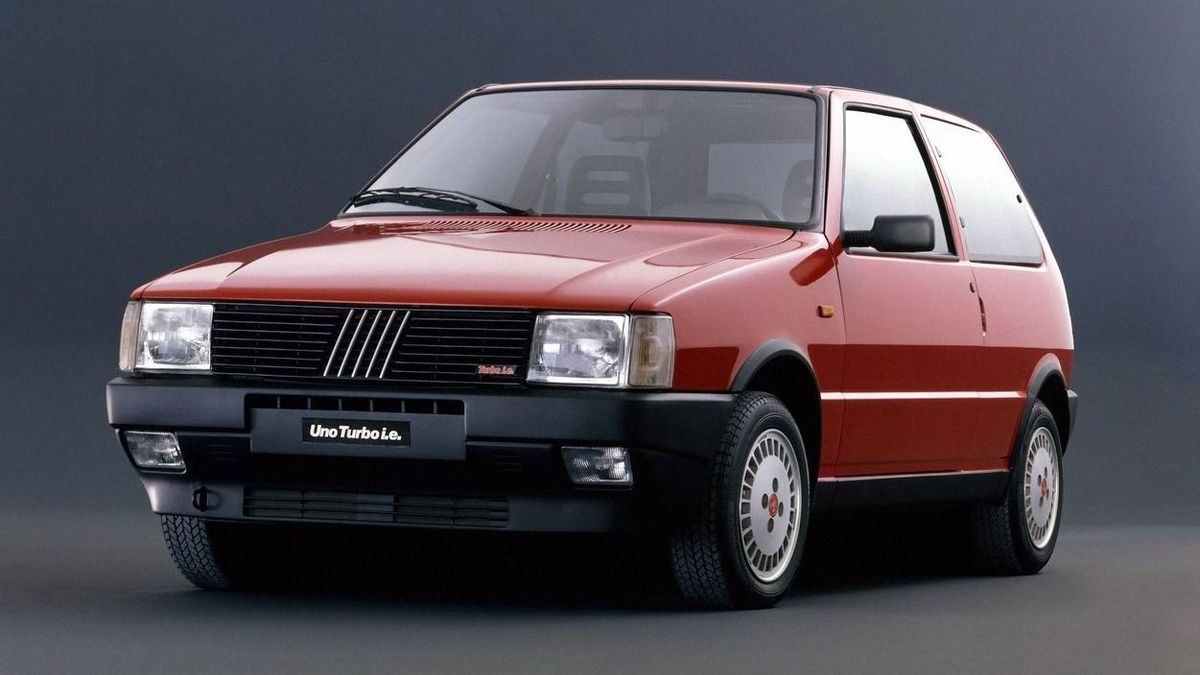
The Fiat Uno Turbo: A Hot Hatch Even F1's Michele Alboreto Coveted
Translated from Hungarian, summarized and contextualized by DistantNews.
At a glance
In-depth
Sources not specified
Context piece
- The Fiat Uno Turbo, particularly the Racing version, was a notable hot hatch with advanced features for its time.
- It featured a digital dashboard, redesigned bumpers, and a sporty interior with Abarth branding.
- Even F1 driver Michele Alboreto praised the car's handling and performance in 1985.
The Fiat Uno Turbo, especially its Racing variant, was a standout hot hatch that boasted impressive features for its era. The car offered a digital dashboard, either analog or fully digital depending on the trim, displaying vital information like speed, RPM, oil pressure, and turbo status. It also included a unique indicator panel for doors, lights, and engine lubrication, a novel feature for the B-segment at the time.
The exterior received updates including a redesigned bumper with integrated fog lights and air intakes, side skirts, and a carbon fiber rear door with a spoiler. The 13-inch wheels were fitted with 175/60 tires, and the wheel covers proudly displayed the Abarth scorpion logo against a red background. Inside, black velvet was accented by five red stripes of the Fiat logo, complemented by red carpets, sport seats with enhanced bolstering, a four-spoke steering wheel, and a red liquid crystal clock. The car's distinctive deep sound was attributed to its oval, chrome exhaust tip.
A memorable anecdote highlights the Uno Turbo's appeal: in 1985, even Ferrari's official Formula 1 driver, Michele Alboreto, expressed a strong desire to test it. During a special test drive at Brazil's Jacarepaguá circuit, Alboreto was visibly impressed, stating, "It's a joy to drive, it responds well, and the turbo makes your heart race. If it were a bit more powerful, it would be a perfect track car." His positive feedback significantly boosted the Uno Turbo's reputation among hot hatches.
Subsequent updates in 1986 introduced new colors, a revised grille, and updated mirrors, along with "Turbo i.e." side stripes and a more readable green digital dashboard. The 1987 model year brought an early, albeit somewhat problematic, anti-lock braking system (ABS) developed by AP Lockheed, which only operated on the front wheels. By 1990, the facelifted version featured new front and rear lights. The engine grew to 1372cc, and with a new Garrett T2 turbo, power increased to 116 horsepower, enabling a 0-100 km/h acceleration in 7.7 seconds. This second series adopted a more subdued look with red stripes on the bumpers, integrated spoilers, new four-spoke alloy wheels, and an improved interior ergonomics. The seats featured a gray-black checkered pattern, and a leather-covered Momo sport steering wheel was standard for the driver. A 112-horsepower catalytic converter version also existed to meet Euro 1 emission standards.
It's a joy to drive, it responds well, and the turbo makes your heart race. If it were a bit more powerful, it would be a perfect track car.
DistantNews Editorial
Originally published by Magyar Nemzet in Hungarian. Translated, summarized, and contextualized by our editorial team with added local perspective. Read our editorial standards.
More Stories
From Our Blog

Countries Without a Free Press: What You Need to Know

What Press Freedom Means for the News You Read

What Gets Lost (and Found) When News Is Translated

The Critical Role of Diaspora Media in Global News

What Travellers Should Know About Countries with Restricted Press
