

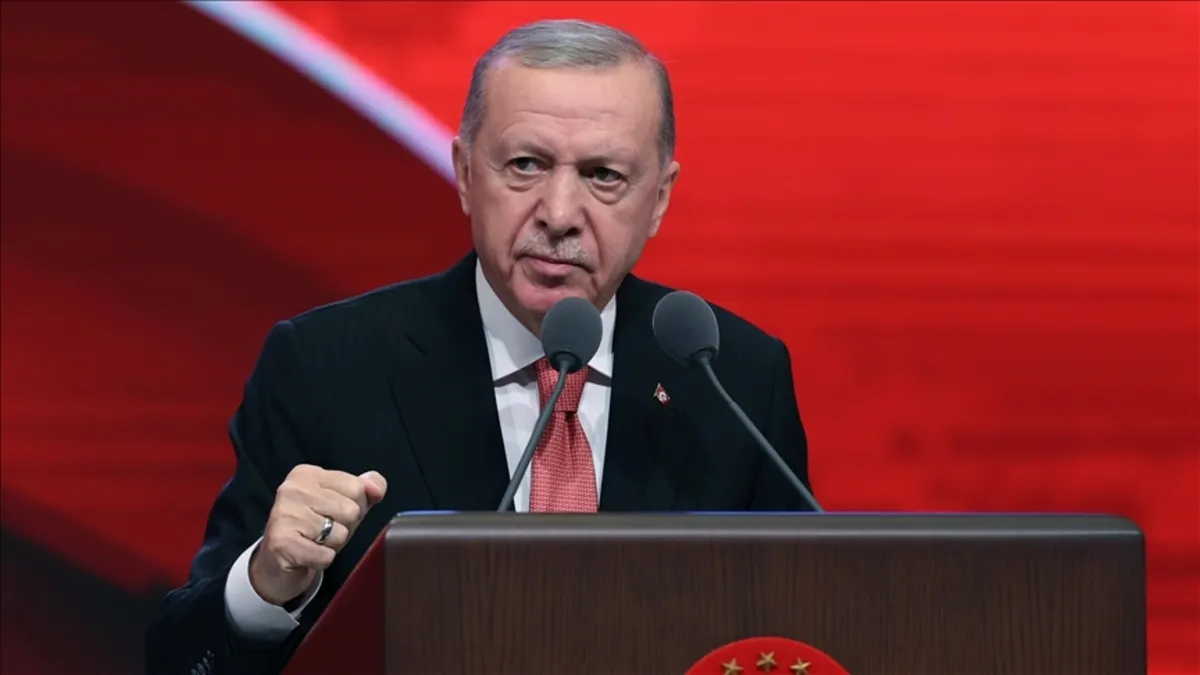

The global scale of waste and Türkiye
Summarized and contextualized by DistantNews.
At a glance
Analysis
Sources not specified
Context piece
- Global food waste amounts to 1.3 billion tons annually, costing over $1 trillion and contributing significantly to greenhouse gas emissions.
- Household waste accounts for the majority of food waste globally, indicating a widespread behavioral issue.
- In Turkey, approximately 19-20 million tons of food are wasted annually, with bread, vegetables, and fruit being the most affected.
Waste presents a significant global challenge, with food waste being a particularly visible dimension. Annually, approximately 1.3 billion tons of food are wasted worldwide, representing nearly one-third of global food production and incurring an economic cost exceeding $1 trillion. This waste occurs against a backdrop where around 800 million people globally lack sufficient food, highlighting stark inequalities.
The United Nations Environment Programme (UNEP) reported that in 2021, about 61% of global food waste originated at the household level, with the food service sector contributing 26% and retail 13%. This distribution underscores waste as a deeply embedded behavioral pattern affecting societies worldwide. Beyond the moral implications, food waste carries substantial environmental costs, accounting for roughly 8-10% of global greenhouse gas emissions. Each wasted product signifies not only the item itself but also the squandered water, energy, fertilizer, soil, and human labor involved in its production.
In Turkey, the situation mirrors global trends, with an estimated 19-20 million tons of food wasted annually. Data from TurkStat and the Ministry of Agriculture and Forestry indicate that bread, vegetables, and fruits are the most frequently wasted items. Millions of loaves of bread are discarded daily. Water waste is also a critical concern, exacerbated by inefficient agricultural practices, uncontrolled urban consumption, and suboptimal farming methods. With per capita annual usable water availability around 1,300 cubic meters, Turkey is nearing water stress levels, making agricultural inefficiencies, which account for about 70% of total water use, directly linked to food security.
The problem of waste extends beyond food, with electronic waste emerging as another rapidly growing concern. The United Nations' Global E-waste Monitor indicates that over 50 million tons of electronic waste are generated annually, posing further environmental and resource management challenges.
DistantNews Editorial
Originally published by Daily Sabah. Summarized and contextualized by our editorial team with added local perspective. Read our editorial standards.
More Stories
From Our Blog

What Gets Lost (and Found) When News Is Translated

The Critical Role of Diaspora Media in Global News

What Travellers Should Know About Countries with Restricted Press

A Digital Nomad's Guide to Following Local News

How the Same Story Looks Different in Different Countries
